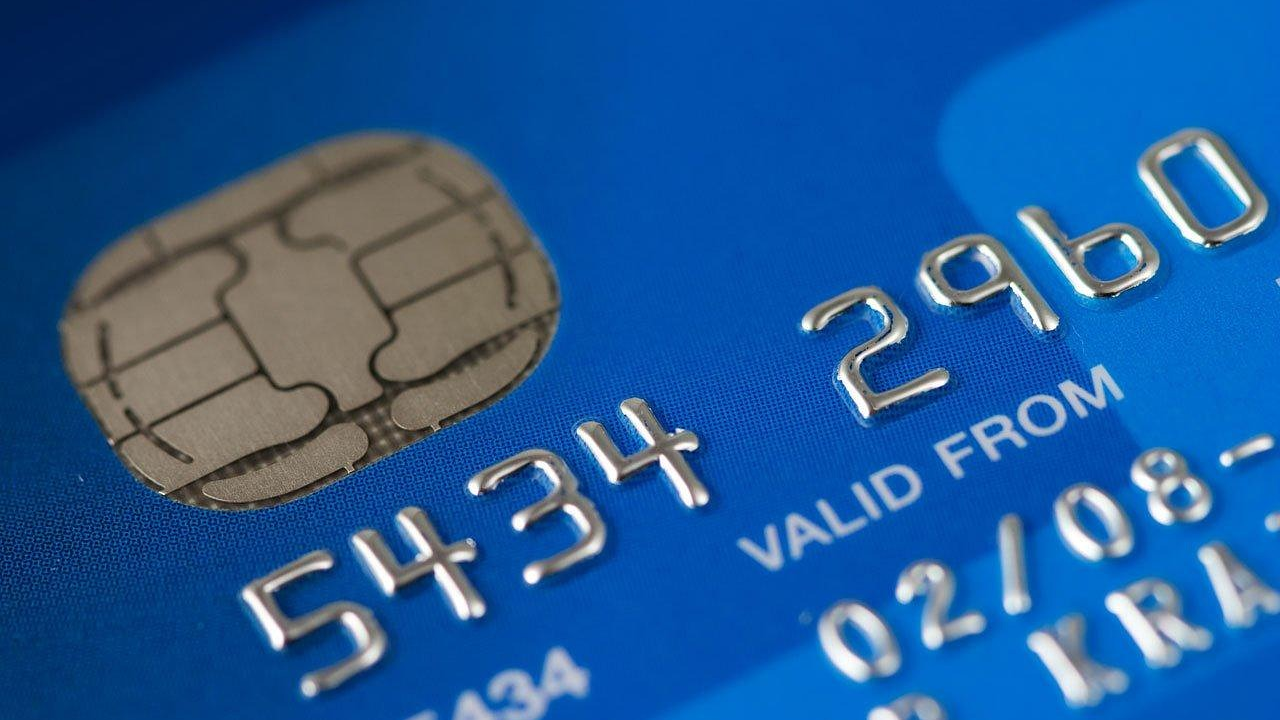
Despite the origins of the USA emerging from a rebellion against the British crown, the military alliance between the United Kingdom and the USA is a long-standing one. Because of this alliance, US service members and their families are likely to spend time stationed in the UK. One of the things that often catches them off guard is how the credit card situation works. The rules regarding credit cards and even the words used to talk about them are confusingly different. Understanding those differences can save you time, money, and frustration.
How Do UK Credit Cards Work?
A UK card largely operates on the same basic principles as American cards. You can use the credit card to make purchases now and pay later. You can either pay the balance off in full or pay a portion of it while the rest accrues interest. The major credit card networks are familiar. The majority of Brits use Visa or Mastercard. American Express is also present but less widely accepted.
The Credit File Problem
The most immediate obstacle for service members and their dependents applying for a UK credit card is the problem with the credit file. In the US, your credit history follows you, and lenders can pull a detailed record of your finances and credit history going back years.
This is true in the UK, too, to an extent, but your American credit history doesn’t transfer. That means Americans arriving for the first time have what’s known as a thin file, which is a significant barrier to getting a credit card. No matter what your credit score in the US is, it simply means nothing to a UK underwriter. This probably means that you’ll be declined for most credit cards until you start building up a financial reputation within the UK.
The Electoral Roll
One factor that Americans tend to be surprised by is how being on the electoral roll, in other words, being registered to vote, can provide a meaningful signal to banks that you can be trusted with a credit card. Unfortunately for American service members who are in the country on the basis of the Status of Forces Agreement, you are not eligible to register to vote, creating a significant gap that lenders will notice.
In some cases, banks will accept your military ID or a letter confirming your address at a military base as proof of address, but policies vary widely. It’s worth calling the lender before applying to find out what their policy is for foreign service members. As being officially refused can make it harder in the future, it’s better to be informally refused on the phone.
Section 75 Protection
Section 75 of the Consumer Credit Act 1974 states that if you pay for goods or services costing between £100 and £30,000 on a UK credit card and the supplier fails to deliver, the card issuer is jointly liable, meaning you can claim the funds back directly from your bank. This is one area where UK cards offer stronger protection than US ones. It works like the US chargeback system but is much more robust. For US service members in the UK, it’s worth understanding how Section 75 works before purchasing big-ticket items.
Foreign Transaction Costs
Many US-issued credit cards will charge a foreign transaction fee, typically around 3%, on purchases made in sterling. Using American cards in the UK can therefore add up quite quickly.
The Solution
The realistic path for most troops starting a deployment in the UK is a credit builder card, which is a product designed for people with thin or problematic credit files. These cards have much lower credit limits and higher interest rates, but if they’re used responsibly and paid in full each month, they create a UK credit history that opens doors to better credit opportunities over time.
Navigating UK Credit for American Service Members
US service members applying for credit cards in the UK find themselves in a difficult position. Their credit history from the US doesn’t carry over, and their inability to register to vote means many banks treat them with suspicion. The solution is to get a credit builder card as soon as possible, allowing you to build up a financial history in the UK.
If you’re interested in learning more about similar topics relating to personal finance, see our other articles for more.
Buy Me A Coffee
The Havok Journal seeks to serve as a voice of the Veteran and First Responder communities through a focus on current affairs and articles of interest to the public in general, and the veteran community in particular. We strive to offer timely, current, and informative content, with the occasional piece focused on entertainment. We are continually expanding and striving to improve the readers’ experience.
© 2026 The Havok Journal
The Havok Journal welcomes re-posting of our original content as long as it is done in compliance with our Terms of Use.


