Money problems rarely stay small for long. One missed detail or bad timing can quickly turn into fees, stress, and awkward conversations. It does not take a major mistake either; sometimes it’s just a momentary lapse. When that happens, the effects appear quickly and often at the worst time.
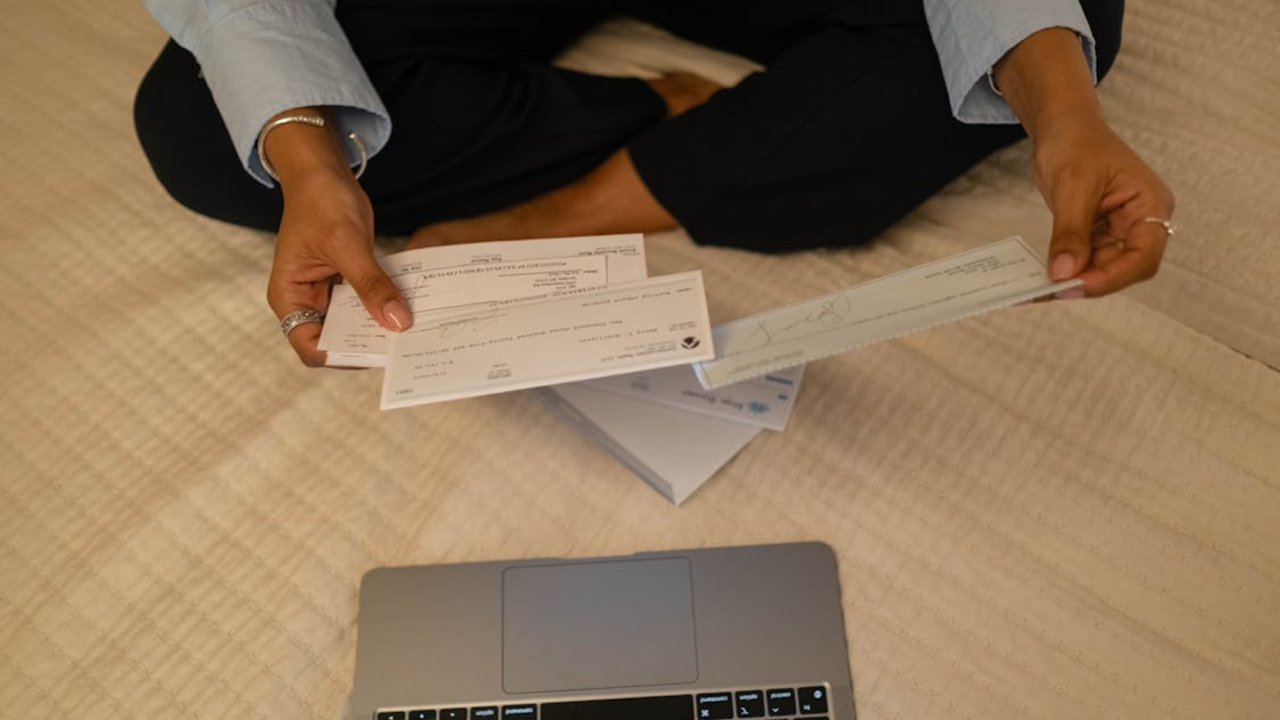
One common situation is when a check does not go through as expected. It often leads to unexpected fees, delays, and the need to fix things quickly. It can also create tension, especially when someone else is counting on that payment. That’s why it’s important to understand the common reasons a bad check may bounce and what happens next.
Common Reasons for a Bounced Check
A bounced check usually comes down to something simple that was missed or overlooked. Most of the time, it is not intentional, but that does not change the outcome. Banks process what is in front of them, and if something is off, the payment fails.
Insufficient funds
This is the most common reason a check bounces. The account simply does not have enough money to cover the amount when the check is processed. It often comes down to timing or not keeping a close eye on spending. Even if the money is expected to be there, what matters is the balance when the bank actually processes the check.
Incorrect or missing details
Sometimes the issue is not the balance but the check itself. A missing signature, incorrect date, or mismatch between the written and numerical amounts can all cause a rejection. These seem like small mistakes, but banks rely on accuracy, and even minor errors can stop the payment.
Stop payment request
There are situations where the check writer asks the bank not to process the check. This usually happens during disputes or when there are concerns about the transaction. Even so, the result is the same: the check is returned unpaid.
Immediate Consequences
The financial impact of cashing a bad check is immediate and affects both parties. The person who wrote the check is usually charged a Non-Sufficient Funds fee by their bank, often around $25 to $35 per check. If multiple payments hit the account at the same time, those fees can stack up quickly.
The person who receives the check is also affected. Banks may charge a returned deposit fee, and any money credited is returned. If that money has already been used, the account can end up short or even negative. This creates pressure, especially if other payments depend on that balance.
There are also direct consequences tied to the original payment. If the check was for rent, bills, or services, it is now considered unpaid. It can lead to late fees or penalties from the business or landlord.
Legal Risks
Most bounced checks start as simple mistakes, but they can turn into legal issues if not handled. If a payment is not made on time, it can result in fees and penalties. Laws vary, but writing a check without enough funds can have consequences if ignored.
The risk increases if it happens often or looks intentional. Repeated bounced checks or failure to respond can lead to formal action, such as the issuance of demand letters. In some cases, it may even be treated as fraud. That is why it is important to fix the issue quickly before it becomes harder to manage.
How to Handle a Bounced Check
The key to handling a bounced check is to act quickly and stay direct. The longer it sits, the more complicated it becomes. It is not something to ignore. Dealing with it right away can prevent extra fees and bigger problems.
If I wrote the check:
- Reach out immediately and explain the situation,
- Pay the full amount plus any fees involved,
- Use a reliable payment method like a cashier’s check or direct transfer.
If I received the check:
- Contact the person first and give them a chance to fix it,
- Send a formal demand letter if there is no response,
- Ask the bank if the check can be processed again.
How to Avoid a Bounced Check
Avoiding bounced checks comes down to staying aware of the account balance. Checking the account regularly and setting up alerts can help catch problems early. Simple habits like this can prevent mistakes before they happen.
It also helps to keep a buffer and not assume all money in the account is ready to use. Some deposits can take time to clear, even if they appear right away. Staying consistent and careful with managing finances makes it easier to avoid issues like this.
Handling Bounced Checks the Right Way
At the end of the day, a bounced check is a responsibility. It’s a reminder to stay aware and keep a closer eye on payments. Even a small mistake can lead to bigger issues if it is ignored. That is why paying attention to the details really matters.
Try to stay on top of payments rather than assume everything will go through without issues. If something does go wrong, deal with it as soon as possible. Taking care of it early makes it easier to keep things from getting worse.
Buy Me A Coffee
The Havok Journal seeks to serve as a voice of the Veteran and First Responder communities through a focus on current affairs and articles of interest to the public in general, and the veteran community in particular. We strive to offer timely, current, and informative content, with the occasional piece focused on entertainment. We are continually expanding and striving to improve the readers’ experience.
© 2026 The Havok Journal
The Havok Journal welcomes re-posting of our original content as long as it is done in compliance with our Terms of Use.


