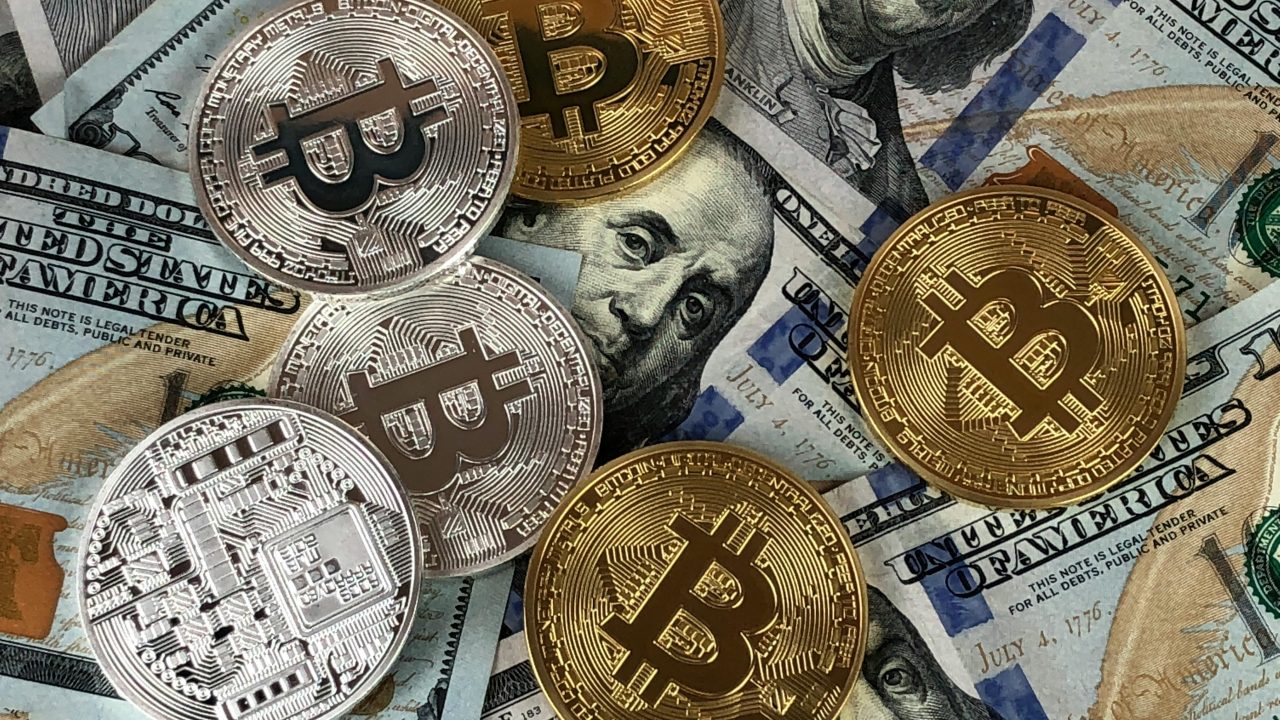
If you have been closely monitoring crypto, Bitcoin halving is not new. After every four years, the block reward is usually reduced by 50% to lower the supply of bitcoins entering the market. The most recent one happened in April this year (2024). In such times, investors are often curious because, in the past, prices would go up after the event. So, should you invest in Bitcoin during such an event?
There is no one-size-fits-all answer regarding whether or not you should invest after a halving event. For example, the last event was quite unique as the SEC approved EFTs just a few months before, which massively drew the attention of investors and speculators. However, the prices shifted a month after halving and began dropping.
So, reading on, you will understand what goes on when Bitcoin is halving and find insights that will help you make more informed decisions in the future.
Is there any good side to Bitcoin halving?
As we have already established, halving aims to reduce the block rewards, so the Bitcoin price every 4 years can’t be the same. This is so because the demand for new coins generally increases as the number of new coins introduced in the market is reduced. For example, if you consider Bitcoin’s price after every halving event in the past – it actually rose. Nothing excites investors and speculators like price increases in this market.
Inflation is a common challenge for many economies across the world. And, for most countries, the acceptable inflation rate is usually set at 2%, which, in most cases, is just a mere goal rather than an attainable figure. Bitcoin halving, therefore, aims to protect Bitcoin from inflationary consequences by maintaining its scarcity. However, this halving doesn’t protect you from the consequences of the fiat currency to which you will convert the coins.
While Bitcoin was never intended for investment, more investors started turning to it after discovering its potential for gains. It came in as a payment method that sought to eliminate the need for third parties, especially those involved in international transactions. As more investors joined, demand soared to unexpected levels. So, when the halving happens and the supply of coins is reduced, there’s a seeming hope for an increase in the value of the investment. It’s worth noting, however, that returns on Bitcoin investments are more speculative.
A Sneak Peek at Previous Halving Events
Towards the end of 2012, the first-ever halving event that would greatly transform the crypto world happened. Well, after it happened, it didn’t have significant effects on Bitcoin price, but after about two months, the coin’s value started to increase steadily. This trend continued until April 2013, after which there was a correction and later continued in the autumn of the same year. By the time we were coming to the end of that season, the value had gotten to $1,100. In the subsequent months, prices continued to fall, reaching as low as $152 on 14 January 2015.
The second halving came in July 2016. Just before this event – like a month and a half – there was a noticeable price increase of the coin. However, a correction happened after the halving, bringing the prices low – but the correction was only short-term. The price continued to soar exponentially and reached an all-time high of $19,700 after about a year. In 2017, something spectacular happened – more jurisdictions welcomed Bitcoin, leading to the rise of an ICO bubble that furthered the demand for Bitcoin.
More Recent Events
In May 2020, the third halving happened, and just like the previous events, it didn’t immediately affect price. The most recent halving then followed on 19 April 2024, which saw the reward for validating each new block drop to 3.125 bitcoins from a high of 6.25 in 2020. Miners could also now benefit from the transaction fees from each block.
After ViaBTC mined the 840,000th block, the subsequent miner received over $2.6 million (including subsidies and fees) from about 40 bitcoins. This amount is way higher than the fees earned from blocks just before the event. And, while there are grey hairs around the fee increase, some analysts have suggested that it was because users were willing to pay more fees just to be sure that their transactions were included in the event.
Overall, a halving event reduces the supply of new Bitcoins introduced into the market by half. According to the Bitcoin algorithm, halving will continue until 2140, when the theoretical limit of 21 million bitcoins will have been reached. The process helps to protect Bitcoin from inflation as it maintains its scarcity and increases its demand. The answer is not absolute for those wondering whether halving is a good time to invest. It will be up to you to assess the prevailing market conditions and your risk tolerance level before deciding.
Buy Me A Coffee
The Havok Journal seeks to serve as a voice of the Veteran and First Responder communities through a focus on current affairs and articles of interest to the public in general, and the veteran community in particular. We strive to offer timely, current, and informative content, with the occasional piece focused on entertainment. We are continually expanding and striving to improve the readers’ experience.
© 2026 The Havok Journal
The Havok Journal welcomes re-posting of our original content as long as it is done in compliance with our Terms of Use.


