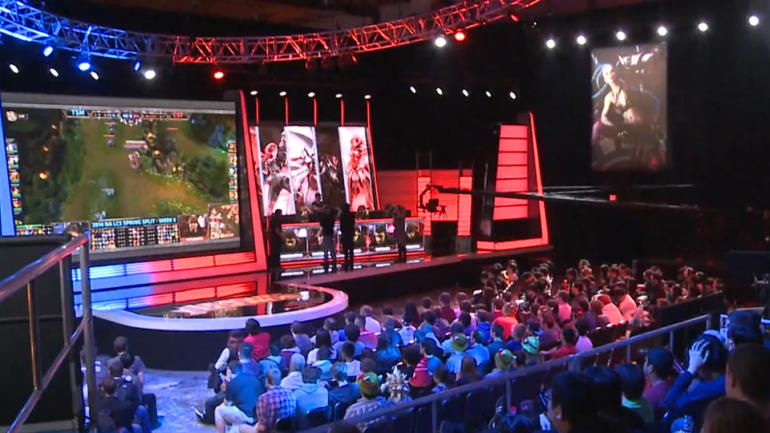
The betting scene surrounding esports has grown a lot, especially in the iGaming sector. Traditional sports betting was once a restricted activity in America. However, the rise of esports, where players can now participate in betting on CS2 competitions at online sites, has contributed to a huge shift in the landscape. Therefore, this type of betting has emerged as a core element of iGaming.
Esports betting is driven by technological advancements, cultural shifts, and transforming regulations among bettors and gamers as well. Hereon, we’ll explore how competitive gaming betting became a major feature of iGaming in America.
The Presence of eSports in America
The surge of eSports has been nothing short of remarkable. The emergence of competitive gaming events like tournaments for Fortnite, League of Legends, and Counter-Strike: Global Offensive, among others, continues to attract millions of viewers globally. Therefore, its huge viewership numbers closely compete with traditional sports. With this development, eSports has been able to naturally transform into a betting scene.
In adopting competitive gaming, America was once lagging behind Europe and Asia. However, the country has quickly caught up thanks to several factors. They range from the widespread availability of high-speed internet to improved gaming hardware, and the booming digital culture. As a result, millions of Americans are now enjoying eSports content. This transformation in engagement and interest in the online gaming world has encouraged the rise of betting markets around competitive gaming tournaments. The following are reasons for this game becoming a fixture in the American economy.
Regulatory Shift
The regulatory shift of the legal landscape of eSports betting remains the biggest cause for its growth in America. The Supreme Court implemented the Professional and Amateur Sports Protection Act (PASPA) in 2018. This law ensured that sports betting be banned in most states. The decision allowed individual states to regulate and legalize sports betting, including competitive gaming betting.
With this decision, different states promptly moved to legalize sports betting, and before we knew it, eSports became part of the equation. A few states that have legalized or regulated competitive gaming betting and capitalized on the growing interest in this sector include:
- Pennsylvania
- Nevada
- Colorado
- New Jersey
The regulations around this region continue to develop and evolve to accommodate more benefits. So, it is expected that more states will accept this type of betting because of this. Thereby, expanding its reach across the country. In no time, this spread will reach more cities across the US.
Appeal to a Younger Tech-Savvy Audience
Another major reason for the growth of this industry in America is its appeal to the younger demographic. Conventional sports like basketball, baseball, and football have long-drawn the older demographic. However, eSports allures a new generation of fans, mostly the millennials and Gen Z, who grew up in a digital-first world. They tend to be more engaged with streaming platforms like YouTube, gaming culture, and social media interactions related to eSports.

While traditional sports betting may involve a deeper understanding of complex statistics and historical performance, eSports is more accessible to casual gamers and enthusiasts, too. In addition, features like live betting let fans bet on in-game outcomes in real-time.
Rapid Technological Innovations
Another reason for the flourishing of eSports betting in America is the surge in technological advancement that supports iGaming platforms. Modern betting sites offer seamless experiences and feature options like real-time odds, live streaming, and interactive betting options. These innovations are tailor-made for the digital habits of eSports fans. Also, blockchain technology is another factor that has been implemented to shape the future of this industry.
It achieves this by offering security, transparency, anonymity, and creating a trustworthy betting environment. Furthermore, advancements in artificial intelligence (AI) and big data analytics are also revolutionizing how odds are set, and bets are placed at online bookmakers. Thereby, offering more accurate and unique odds. This, in turn, creates a more competitive betting environment that appeals to serious bettors.
Collaboration Between ESports Brands and iGaming Operations
Many major iGaming companies like Betway, DraftKings, and others have expanded their offerings to include eSports markets. Beyond this, betting operators sponsor tournaments and teams to increase brand visibility. This birthed sponsorship deals, which created mutually beneficial relationships between betting companies and leading eSports organizations. Therefore, this development helps to drive engagement and boost the legitimacy of eSports as a betting market. This partnership helps tap into the industry’s lucrative aspect for rapid growth in spending power and size.
A Cornerstone of the iGaming Industry in the US
Esports betting in America is headed towards explosive growth. This is majorly fueled by a favourable legal environment, technological advancements, and its growing popularity among younger demographics. As more states in the US see its appeal, eSports betting will likely solidify its place as a key staple of the American iGaming industry in no time. Indeed, there are challenges to overcome, such as ensuring the integrity of matches and protecting vulnerable bettors. However, the future of competitive betting in America looks bright and is in for a great ride.
Buy Me A Coffee
The Havok Journal seeks to serve as a voice of the Veteran and First Responder communities through a focus on current affairs and articles of interest to the public in general, and the veteran community in particular. We strive to offer timely, current, and informative content, with the occasional piece focused on entertainment. We are continually expanding and striving to improve the readers’ experience.
© 2026 The Havok Journal
The Havok Journal welcomes re-posting of our original content as long as it is done in compliance with our Terms of Use.