Identifying the biggest winners in the U.S. casino industry is less straightforward than headline revenue figures suggest because revenue rankings can refer to state-level casino revenue, individual properties, or the performance of national operators. Each metric provides a different perspective on the industry’s competitive landscape.
This article focuses on commercial casino markets rather than the broader U.S. casino sector. Tribal casinos operate under a different regulatory framework and reporting system, meaning they are not always included in commercial market rankings.
Understanding What “Market Leader” Means
The phrase “market leader” sounds simple enough, but in practice, it can mean several things. Leadership may be measured by total casino revenue generated within a state, gross revenue produced by a specific property, or the overall performance of an operator with assets spread across multiple jurisdictions.
The growing influence of online casinos and sports betting has made comparisons more complex. In some states, digital wagering now contributes a substantial share of overall revenue, creating a business model that differs from the one that traditionally defined the industry.
Leading Commercial Casino Markets
According to recent reporting from the American Gaming Association, Nevada, Pennsylvania, and New Jersey consistently rank among the strongest-performing commercial casino markets in the United States, with each generating billions of dollars in annual commercial casino revenue.
The following states regularly appear among the industry’s leading revenue generators:
- Nevada: estimated annual commercial casino revenue exceeding $15 billion
- Pennsylvania: estimated annual commercial casino revenue exceeding $6 billion
- New Jersey: estimated annual commercial casino revenue exceeding $6 billion
- Illinois: estimated annual commercial casino revenue exceeding $2.5 billion
- Louisiana: estimated annual commercial casino revenue exceeding $1.5 billion.

Rankings can vary slightly depending on reporting periods and methodology, but Nevada, Pennsylvania, and New Jersey consistently occupy positions near the top of commercial casino revenue tables in the United States.
Revenue figures show which markets lead the industry, but they do not explain why certain states continue to outperform others. The factors driving casino revenue today differ significantly from those that shaped the industry a decade ago.
Nevada continues to benefit from the global appeal of Las Vegas and the tourism economy that surrounds it. Pennsylvania and New Jersey have also strengthened their positions over the past decade. Strong local demand, mature casino sectors, and expanding digital gambling markets have helped both states become major revenue generators in their own right.
The growth of the online casino sector has been particularly important in these markets. States that have embraced regulated digital gaming have created additional revenue streams while broadening access for consumers who prefer online platforms.
Las Vegas Remains Important, but Regional Markets Drive Growth
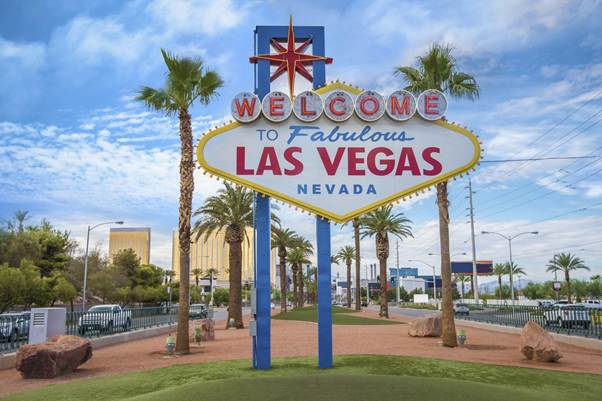
Mention casinos, and most people immediately think of Las Vegas. The Strip remains one of the world’s most recognisable gambling destinations and continues to generate enormous revenue. Yet, focusing exclusively on Las Vegas creates an incomplete picture of where the industry earns much of its money.
A significant share of commercial casino activity takes place in regional markets that depend on local and repeat customers rather than destination tourism. Areas such as Chicagoland, Atlantic City, and the Baltimore-Washington corridor demonstrate how population density, accessibility, and consistent visitation support long-term performance.
Regional casinos rarely attract the same level of attention as major Las Vegas resorts; however, they account for a substantial share of commercial casino activity. Their success is often driven by convenience, repeat visitation, and strong local customer bases.

Operator Rankings Extend Beyond Individual Casinos
State rankings provide useful context, but they do not capture the influence of the companies that operate across multiple markets.
Companies such as MGM Resorts International, Caesars Entertainment, PENN Entertainment, Boyd Gaming, and Bally’s Corporation are often evaluated based on the size and diversity of their portfolios rather than the performance of a single property.
A company can achieve industry leadership through a collection of venues operating across multiple states, even without owning the country’s highest-grossing casino. Increasingly, operator performance is also influenced by online betting platforms and iGaming products where permitted by law.
Competitive strength is determined by a combination of physical assets, digital operations, and geographic reach.
What Revenue Rankings Reveal About the Industry
Revenue rankings offer insight into how the commercial casino industry is distributed across the United States. They also highlight the impact of regulation, tourism, and local economic conditions on market performance.
In recent years, commercial casino revenue in the United States has reached record levels, reflecting continued demand for both land-based venues and digital wagering platforms. States that successfully balance traditional casino operations with online expansion are increasingly well-positioned for future growth.
The industry’s evolution also highlights the role of regulation. Jurisdictions willing to embrace new wagering formats often create additional opportunities for operators while generating new sources of revenue for state governments.
The Changing Geography of U.S. Casino Revenue
The leaders in U.S. commercial casino revenue depend on whether the focus is on states, individual properties, or national operators. Nevada continues to hold enormous symbolic and economic importance, but Pennsylvania, New Jersey, and other regional markets demonstrate how much the industry has changed over the past decade. Today’s commercial casino industry looks very different from the one many people associate with Las Vegas alone. While Nevada remains a dominant force, revenue growth increasingly comes from regional markets, online wagering, and states that continue to expand their commercial casino sectors.
Buy Me A Coffee
The Havok Journal seeks to serve as a voice of the Veteran and First Responder communities through a focus on current affairs and articles of interest to the public in general, and the veteran community in particular. We strive to offer timely, current, and informative content, with the occasional piece focused on entertainment. We are continually expanding and striving to improve the readers’ experience.
© 2026 The Havok Journal
The Havok Journal welcomes re-posting of our original content as long as it is done in compliance with our Terms of Use.


