Photo by Amit Lahav on Unsplash
Leaving military service marks a profound shift that reaches far beyond employment. Veterans step out of a structured system that defines daily routines, language, values, and belonging. The transition challenges how they see themselves and how they relate to the civilian world around them.
Identity in service is reinforced through shared mission and constant feedback. Rank, role, and responsibility offer clarity about purpose and worth. When that framework ends, veterans must reconstruct meaning without the signals that once guided every decision.
This process is not instant, and it is not linear. Identity rebuilding unfolds through work, relationships, habits, and reflection over time. Understanding how veterans navigate this change helps communities, employers, and families support healthier transitions.
The Initial Identity Gap After Separation
The moment after separation often reveals an unexpected gap. Veterans may feel unanchored without the uniform, the chain of command, or the clear expectations that once framed their days. Even small choices can feel heavy when structure disappears.
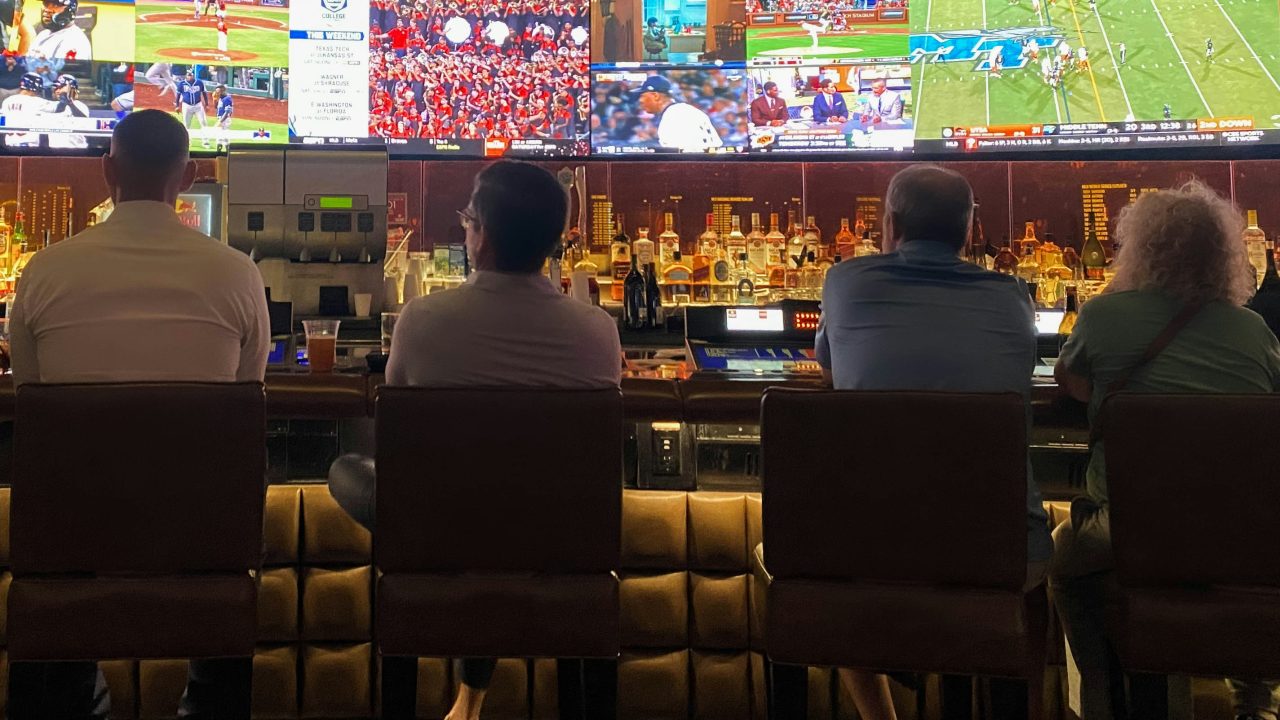
Early civilian experiences tend to shape this phase strongly. Some veterans experiment with new routines or interests while searching for direction. Others fill time with familiar digital or competitive spaces, including casual outlets like virtual sports betting, which can mirror elements of risk, prediction, and reward they recognize from structured environments.
This gap is not a failure of adjustment. It is a natural response to the sudden absence of a system that once provided identity automatically.
Translating Military Skills Into Civilian Meaning
Skill translation is a critical step in identity reconstruction. Veterans often underestimate how their experience applies outside the military because the language feels incompatible. Leadership, discipline, and teamwork may sound generic, yet they are deeply ingrained through lived responsibility.
When veterans reframe these skills in civilian terms, confidence begins to return. A logistics specialist recognizes operational planning strengths. A squad leader identifies people management and decision-making under pressure. These realizations anchor identity in capability rather than title.
Meaning grows when veterans see their value reflected back through civilian outcomes. Successful projects and recognition reinforce a renewed sense of purpose.
Work As A Framework For New Identity
Employment plays a central role in post-service identity formation. Work provides routine, accountability, and social feedback that partially replaces military structure. The type of work matters less than the sense of contribution it enables.
Veterans who find roles aligned with their values report smoother transitions. Purpose-driven fields such as emergency services, education, and technical trades resonate because they echo service-minded goals. Others thrive in entrepreneurship where autonomy restores agency.
Work becomes more than income. It becomes a testing ground where veterans redefine competence and belonging.
Community And Belonging Beyond The Military
Loss of camaraderie is one of the most cited challenges after service. Military bonds are intense, and shared civilian experiences rarely replicate that depth immediately. Veterans must actively build new communities to avoid isolation.
Peer groups, sports teams, and veteran organizations offer familiarity without hierarchy. These spaces allow shared language and understanding while supporting growth into civilian roles. Over time, veterans often expand circles to include diverse perspectives.
Belonging evolves through participation rather than status. Showing up consistently helps veterans feel seen for who they are becoming, not just who they were.
Mental Health And Identity Reconstruction
Mental health intersects closely with identity during transition. Anxiety, grief, or unresolved trauma can stall the rebuilding process. Veterans may struggle with self-worth when past roles no longer apply.
Access to counseling and peer support reframes mental health as maintenance rather than weakness. When veterans address internal barriers, they gain clarity about values and direction. Self-understanding supports healthier identity choices.
Acknowledging mental health needs strengthens identity rather than diminishing it. Growth becomes possible when veterans accept support without judgment.
Family Relationships And Role Rebalancing
Family dynamics shift after service, influencing identity in subtle ways. Veterans may move from deployment cycles to constant presence, requiring renegotiation of roles. Expectations change on both sides.
Successful transitions involve communication and patience. Veterans learn to define themselves not only as providers or protectors, but as partners and parents with shared responsibilities. Families adjust to new rhythms and boundaries.
These evolving roles deepen identity by integrating service experience into everyday life rather than isolating it in the past.
Long-Term Identity As Integration, Not Replacement
The healthiest veteran identities do not erase military service. They integrate it into a broader sense of self. Service becomes a foundation rather than a limitation.
Over time, veterans blend discipline with flexibility, leadership with collaboration, and resilience with self-awareness. Identity stabilizes as experiences accumulate in civilian contexts. This integration allows veterans to honor their past while investing fully in their future.
Conclusion
Transitioning veterans build new identities through patience, reflection, and engagement with the civilian world. The loss of military structure creates uncertainty, yet it also opens space for growth and redefinition. Work, community, mental health support, and family relationships all contribute to this process.
Identity beyond service is not about replacing one role with another. It is about integrating experience into a broader life narrative. When veterans are supported in that journey, they emerge with identities grounded in purpose, capability, and belonging.
Buy Me A Coffee
The Havok Journal seeks to serve as a voice of the Veteran and First Responder communities through a focus on current affairs and articles of interest to the public in general, and the veteran community in particular. We strive to offer timely, current, and informative content, with the occasional piece focused on entertainment. We are continually expanding and striving to improve the readers’ experience.
© 2026 The Havok Journal
The Havok Journal welcomes re-posting of our original content as long as it is done in compliance with our Terms of Use.


