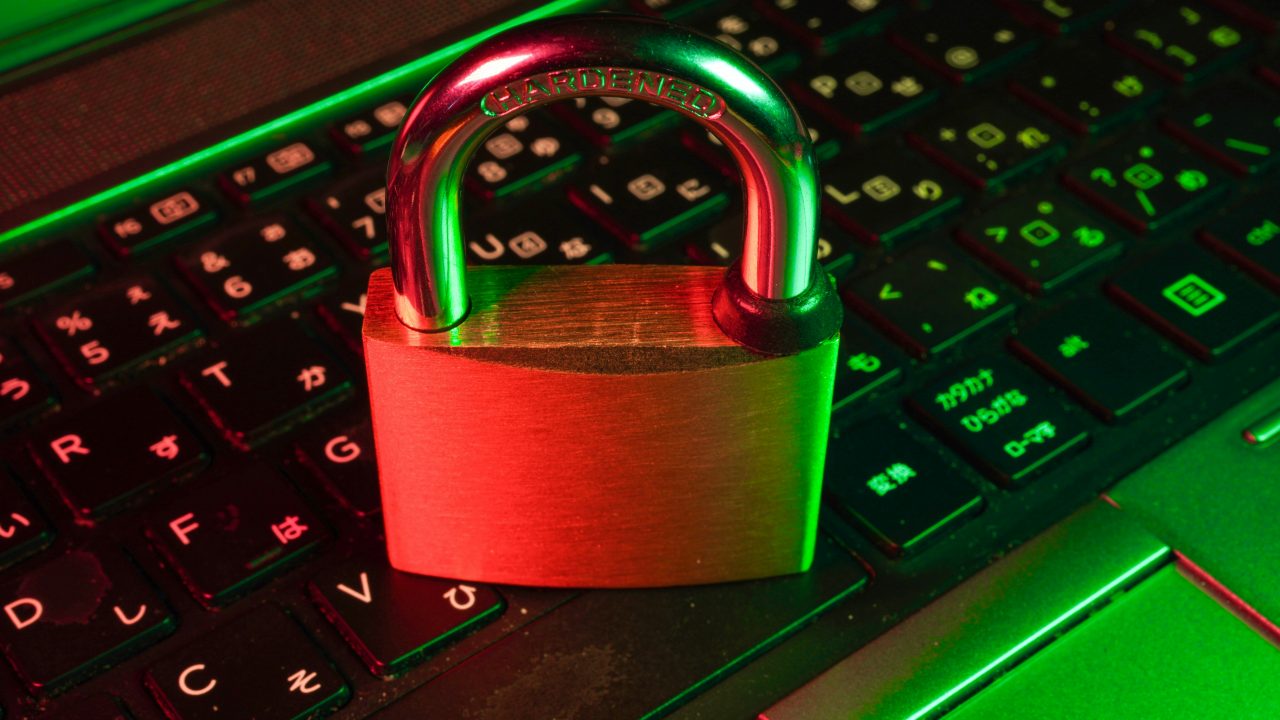
Operational Security, or OPSEC, is a military process designed to identify critical information and determine how friendly forces can protect it from adversary intelligence. In a combat zone, a breach in OPSEC can lead to compromised missions or loss of life. In the civilian world, the stakes may not always be lethal, but the consequences of a breach, identity theft, financial ruin, and reputation damage are severe. The adversary has gone from enemy combatants to data brokers, cybercriminals, and intrusive surveillance algorithms, all seeking to aggregate your data into a targetable profile.
Veterans and security-conscious civilians understand that information is ammunition. Just as a soldier would not broadcast their patrol routes, a civilian should not broadcast their digital movements or financial habits. Applying the “purple dragon” concept, the practice of viewing your own operations from the enemy’s perspective, allows you to identify vulnerabilities in your daily digital routine. By adopting a military mindset toward personal cybersecurity, you can harden your defenses and reduce your digital footprint significantly.
Encrypting Personal Communications Effectively
The first line of defense in any security posture is securing lines of communication. In the military, unencrypted radio transmissions are a gift to the enemy; similarly, unencrypted texts and calls are easily intercepted or logged by service providers and third parties.
Relying on standard SMS or unencrypted messaging apps leaves your correspondence wide open to interception and metadata analysis. The “Need to Know” principle should apply to your online conversations, ensuring that only the intended recipient has access to the content of your messages.
To mitigate this risk, using end-to-end encrypted messaging platforms like Signal is non-negotiable for sensitive communications. Unlike standard apps that may store decryption keys on their servers, true end-to-end encryption ensures that even the service provider cannot read your messages.
Furthermore, effective OPSEC requires discipline regarding what is shared. Even on secure channels, avoid discussing sensitive financial details or travel itineraries unless absolutely necessary. The goal is to minimize the “signal” available to any potential interceptor, rendering your communications opaque and useless to outside observers.
Using Cryptocurrency for Financial Anonymity
Financial trails are arguably the most revealing aspect of a person’s life, offering a clear map of their movements, interests, and resources. Traditional banking systems are designed to track and record every transaction, creating a permanent dossier that can be sold or stolen.
For those practicing serious OPSEC, segregating financial activities is essential to prevent a complete profile from being built. Cryptocurrency, while not perfectly anonymous by default, offers a powerful tool for compartmentalizing transactions and breaking the link between your identity and your spending.
Adopting digital assets allows for a layer of separation that traditional credit cards cannot provide. This is particularly relevant for online activities where privacy is a priority. For example, the top 10 crypto gambling sites often require minimal personal data retention to ensure players’ financial practices remain private. This provides players with a more secure and private way of gaming and transacting.
By using cryptocurrencies for specific categories of spending, you prevent your primary bank statement from becoming a comprehensive biography of your life. This compartmentalization ensures that a breach in one area does not compromise your entire financial fortress.
Protecting Location Data with VPNs
Your IP address acts as a digital grid coordinate, pinpointing your location to websites, advertisers, and potential threat actors. Without protection, your internet service provider (ISP) can see every site you visit, creating a detailed “pattern of life” analysis that reveals your habits, work hours, and physical location.
In a tactical environment, a static position is a vulnerable one; digitally, a static and visible IP address makes you an easy target for geolocation tracking and targeted attacks.
A Virtual Private Network (VPN) is the digital equivalent of camouflage, masking your actual location and routing your traffic through an encrypted tunnel. This prevents local network administrators, such as those managing public Wi-Fi at coffee shops or airports, from snooping on your activity.
However, not all VPNs are created equal; it is vital to choose a provider with a strict “no-logs” policy to ensure that no record of your activity exists. By consistently using a VPN, you disrupt the ability of adversaries to correlate your digital activity with your physical location, maintaining the element of obscurity.
Implementing Stronger Access Controls
In physical security, access control prevents unauthorized entry into sensitive areas; in the digital realm, this is managed through authentication protocols. Relying on simple passwords or reusing the same credentials across multiple sites is the equivalent of using a master key for every door in your base. If one is lost, everything is compromised. A robust security posture requires strict compartmentalization, ensuring that a breach of your email does not lead to a breach of your bank account.
To enforce this, the use of hardware-based Multi-Factor Authentication (MFA), such as YubiKeys, provides a significant advantage over SMS-based verification, which is susceptible to SIM-swapping attacks. Coupled with a password manager, this allows for complex, unique credentials for every account without the cognitive load of memorization.
This approach creates a defense-in-depth strategy where an attacker must bypass multiple, distinct layers of security to gain access. It shifts the advantage back to the defender, making the cost of an attack higher than the potential reward.
Maintaining Situational Awareness Online
The most sophisticated tools are useless without the proper mindset. Situational awareness in the digital domain means recognizing the indicators of an attack before it succeeds. This involves identifying phishing attempts that leverage social engineering, attacks designed to exploit human psychology rather than technical vulnerabilities. Adversaries often conduct surveillance, gathering public information from social media to craft convincing lures.
Maintaining this awareness requires regular audits of your public-facing information. Periodically search for yourself online to see what an adversary sees and take steps to remove exposed data.
OPSEC is not a product you buy; it is a continuous process of assessment and adjustment. By integrating these measures into your daily routine, you shift from a reactive posture to a proactive one.
Buy Me A Coffee
The Havok Journal seeks to serve as a voice of the Veteran and First Responder communities through a focus on current affairs and articles of interest to the public in general, and the veteran community in particular. We strive to offer timely, current, and informative content, with the occasional piece focused on entertainment. We are continually expanding and striving to improve the readers’ experience.
© 2026 The Havok Journal
The Havok Journal welcomes re-posting of our original content as long as it is done in compliance with our Terms of Use.

