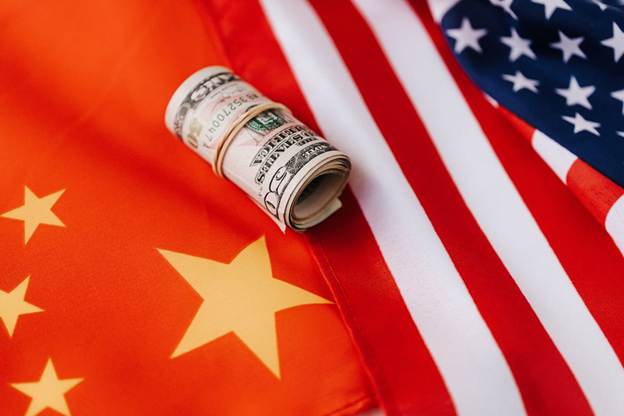
Have you ever wondered how someone becomes the person negotiating peace deals or shaping global policy behind the scenes? These roles rarely begin in government halls. They often start in classrooms where students study politics, economics, and global history. Universities prepare people for the difficult work of international cooperation. In this blog, we will share how higher education builds the knowledge, skills, and judgment needed for careers in foreign affairs.
Universities as Training Grounds for Global Thinkers
Foreign affairs may sound like something reserved for diplomats in expensive suits, but the preparation begins in a far less glamorous place: lecture halls, research libraries, and student debates that stretch long after class ends. Universities provide the environment where future policy professionals learn to understand global complexity rather than react to headlines alone.
Students studying global politics quickly realize that international issues rarely follow simple rules. A trade dispute might involve economic pressure, political rivalry, and historical resentment all at once. Higher education exposes students to these overlapping forces through courses in economics, political science, regional studies, and history.
The timing of this training matters more than ever. The past decade has seen growing tensions between major powers, shifting alliances, and debates about trade, security, and climate policy. News coverage often simplifies these developments, yet professionals working in foreign affairs must analyze them carefully.
Advanced Study and the Skills Diplomacy Requires
While undergraduate study introduces the field, many professionals deepen their preparation through specialized graduate education. Programs focused on global politics, negotiation strategy, and international law help students move from theory toward real policy analysis.
During these programs, students often pursue a masters in international relations and diplomacy to gain structured training in global governance, conflict resolution, and foreign policy strategy. These programs combine academic study with practical exercises that mirror real diplomatic situations.
Negotiation simulations form a core part of the learning process. Students represent different countries in mock negotiations over trade agreements, climate policy, or security arrangements. These exercises reveal how diplomacy involves patience, careful language, and strategic compromise rather than dramatic speeches.
Language training also becomes essential. Foreign affairs professionals frequently work across cultures, and understanding another language improves both communication and trust. Universities encourage students to develop fluency in languages tied to major global regions such as Arabic, Mandarin, Spanish, or French.
Policy writing represents another skill refined during graduate study. Government agencies and international organizations rely heavily on written analysis. Students learn how to summarize complex data into clear policy briefs that decision makers can quickly understand.
Internships provide the final piece of preparation. Many graduate programs connect students with government offices, think tanks, or international organizations where they observe how policy discussions unfold in real environments. These placements show how theory interacts with political realities.
Learning to Navigate a Complex World
Foreign affairs professionals rarely deal with simple problems. Instead, they face situations where economic interests, security concerns, and cultural tensions overlap. Higher education prepares students for this complexity by encouraging interdisciplinary thinking.
A student analyzing a conflict in one region might need to understand historical grievances, religious dynamics, trade routes, and energy policy at the same time. Universities train students to approach these issues from multiple angles rather than relying on a single explanation.
Recent global developments highlight how valuable this perspective has become. Climate negotiations now influence trade agreements. Cybersecurity threats involve both technology and geopolitics. Migration debates combine humanitarian concerns with national policy decisions.
Universities respond by offering courses that connect these topics. Programs might examine how environmental policy affects international cooperation or how technology companies influence political communication across borders.
Students also study negotiation strategies used in past diplomatic efforts. Historical agreements provide lessons about compromise, timing, and communication. Examining past successes and failures helps students understand how small decisions can shape global outcomes.
The Role of Debate and Critical Discussion
One of the most powerful tools in higher education is debate. Classrooms encourage students to challenge each other’s arguments while defending their own ideas with evidence.
These discussions sometimes become intense, especially when topics involve national interests or ideological differences. Yet this process teaches an important lesson: diplomacy depends on listening as much as speaking.
Students learn how to present arguments clearly without ignoring opposing views. In real diplomatic settings, understanding the priorities of other countries becomes essential for reaching agreements.
Debate also builds confidence. Standing in front of classmates and defending a policy position prepares students for future roles where they must brief officials or negotiate with foreign representatives.
Interestingly, universities often expose students to viewpoints they might never encounter elsewhere. A student from one country might share a personal perspective on an international dispute that others only know through news reports. These exchanges broaden understanding and reduce the tendency to view global issues through a single national lens.
Practical Experience Beyond the Classroom
Academic study forms the foundation of foreign affairs training, yet practical experience strengthens that knowledge. Universities increasingly connect students with real-world opportunities that simulate professional environments.
Study abroad programs remain one of the most effective experiences. Living in another country forces students to adapt to new cultures, communication styles, and social norms. Even everyday tasks such as navigating public transportation or buying groceries offer lessons about cultural awareness.
Internships in government offices or international organizations provide another valuable step. Students might assist with policy research, help organize diplomatic events, or contribute to reports that analyze global developments.
Think tanks also play a role in training future professionals. These research organizations examine foreign policy challenges and publish analysis that influences public debate. Students working in these environments gain exposure to policy discussions that shape national strategy.
Many universities encourage participation in international competitions or model diplomacy conferences. Students represent different countries while negotiating agreements on topics such as climate policy or trade rules. These events replicate the pressures and negotiations found in real diplomatic forums.
Preparing for a Career That Demands Adaptability
Foreign affairs careers rarely follow predictable paths. Professionals may work in government agencies, international organizations, nonprofit groups, or research institutions. Each setting requires slightly different skills, yet all demand adaptability.
Higher education prepares students for this uncertainty by emphasizing problem solving and continuous learning. The global political environment shifts constantly, and professionals must update their knowledge as new challenges emerge.
The rise of artificial intelligence, for instance, now influences security discussions and economic competition between nations. Diplomats must understand technological developments that would have seemed distant from traditional diplomacy only a decade ago.
Universities address this reality by encouraging students to combine traditional policy studies with skills in data analysis, technology policy, or economic modeling. This broader training helps graduates respond to emerging global trends.
Networking also becomes part of the educational experience. Professors, visiting diplomats, and alumni working in policy roles often mentor students who share similar interests. These relationships can guide career decisions and open opportunities later.
Buy Me A Coffee
The Havok Journal seeks to serve as a voice of the Veteran and First Responder communities through a focus on current affairs and articles of interest to the public in general, and the veteran community in particular. We strive to offer timely, current, and informative content, with the occasional piece focused on entertainment. We are continually expanding and striving to improve the readers’ experience.
© 2026 The Havok Journal
The Havok Journal welcomes re-posting of our original content as long as it is done in compliance with our Terms of Use.


