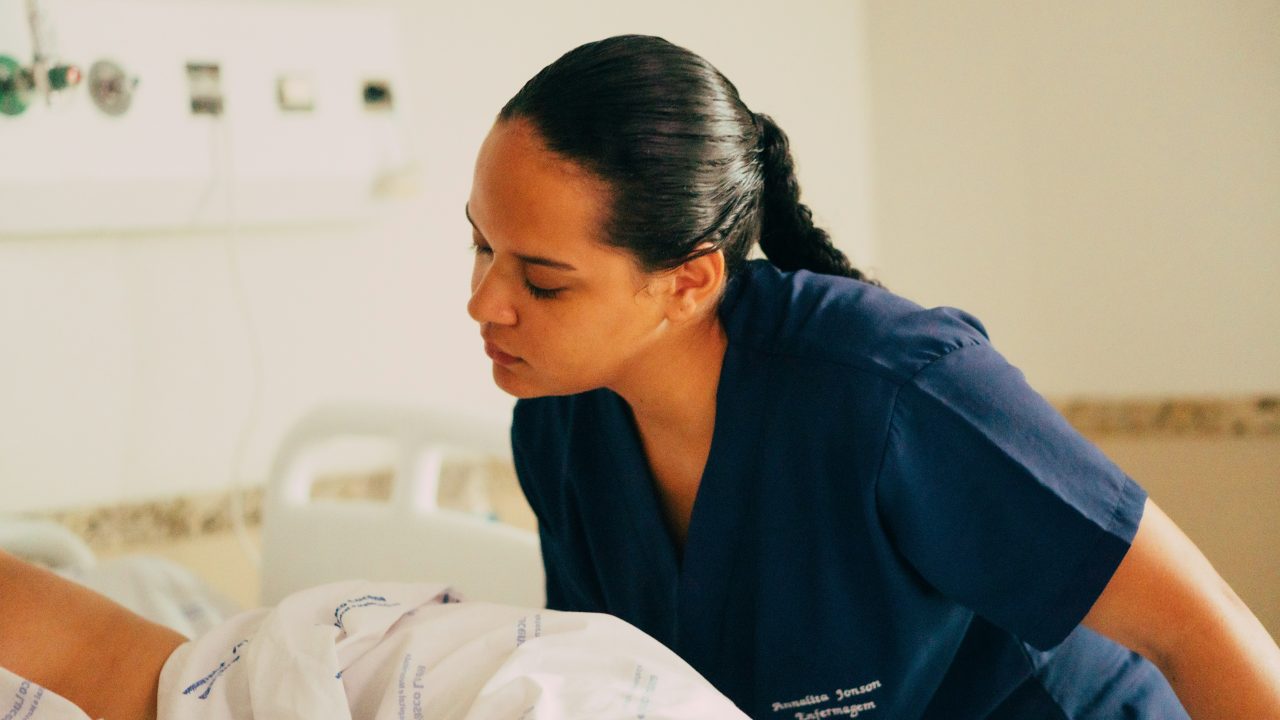
Photo by Maria Luísa Queiroz on Unsplash
The Doctor of Nursing Practice (DNP) is the highest level of clinical nursing education for registered nurses taking on senior nursing roles. This program teaches nurses how to apply research to improve patient care, lead medical teams, and make healthcare systems work more effectively. The courses focus on using knowledge directly in real healthcare settings; this allows nurses to implement theory into practice. Here are a few ways that doctor of nursing programs prepare nurses for advanced roles:
Applying Evidence‑Based Decision‑Making
Doctor of nursing programs train nurses to apply research and evidence directly in patient care within healthcare delivery settings. The curriculum provides education in evidence‑based practice, quality improvement, and systems leadership. This training prepares students to integrate research into clinical decision-making.
Through the clinical practicum, the students undertake quality improvement projects enabling them to plan, implement, and assess evidence-based interventions and site-specific needs. Students apply evidence systematically in projects using structured frameworks. Service-learning hours are also part of the practicum; this allows students to put their knowledge into practice.
Through this hands-on experience, students develop skills to integrate research findings into patient care decisions. They also apply these findings in workflows, and this helps strengthen clinical reasoning and problem-solving abilities. Evidence-based practice in clinical settings equips nurses with the ability to make informed decisions about care and implement effective interventions. This may result in improved health outcomes.
Driving Healthcare Improvements
Doctor of nursing programs teach leadership skills that help nurses improve healthcare beyond direct patient care. The curriculum contains courses related to organizational dynamics and leadership. Courses provide students with frameworks that help them study healthcare systems and implement changes effectively. Practicum experiences also allow students to work with clinical sites; they are able to implement leadership concepts and participate in quality improvement programs.
Projects involve coordination with faculty and clinical partners to address practice needs and implement evidence‑based improvements. The program develops leadership skills aligned with national competencies for advanced nursing practice. Students learn about leadership skills; they can apply their knowledge in clinical and community healthcare settings.
Designing Quality Improvement Initiatives
Quality improvement is a required part of some doctor of nursing programs that apply evidence to care and system processes. Students work with clinical site sponsors and faculty to implement and evaluate rapid cycle projects during practicum. Projects address practice needs, apply interventions, and measure outcomes in clinical settings; structured frameworks guide students in using evidence to improve care. Practicum hours encompass quality improvement work, as well as leadership and clinical scholarship. Students evaluate the results, analyze data, and modify interventions. The work cultivates competencies to apply evidence-based changes and prepare nurses to work at advanced levels where understanding of systems and workflow improvement is needed.
Completing Practice‑Focused Projects
A doctor of nursing program guides students to plan and disseminate practice‑focused scholarly projects. Students apply evidence-based learning and leadership skills from the curriculum to address practice needs and improve care processes. During the clinical practicum, they carry out project activities; after they evaluate outcomes, they can refine interventions.
The curriculum involves presenting findings to faculty and clinical partners. Projects integrate the application of evidence and clinical decision-making; this assists students in building upon competencies developed from earlier coursework. Completing these projects helps students apply research to impact care processes, introduce improvements, and contribute to system-level results.
Improving Population Health
A doctor of nursing program prepares nurses to prioritize population-level health outcomes and individual patient care. The curricula may incorporate the competencies in clinical prevention and population health that align with national DNP education standards. Students use evidence to enhance care processes in healthcare teams during clinical projects and practicum experiences. They work with faculty and clinical partners to design, deploy, and assess interventions that influence groups of patients or system-level outcomes. Experiences build capacity to utilize evidence and clinical decision-making, and this helps influence outcomes beyond individual encounters.
Enroll in Doctor of Nursing Programs
A doctor of nursing program develops expertise in evidence-based practice, leadership, quality improvement, scholarly practice, and population health. The programs provide clinical experiences that apply classroom knowledge in actual healthcare environments. Students develop practical skills; these are used to improve healthcare delivery for patients and communities. Apply to the Doctor of Nursing Practice program today to begin building advanced clinical expertise, leadership skills, and practical experience in clinical environments.
Buy Me A Coffee
The Havok Journal seeks to serve as a voice of the Veteran and First Responder communities through a focus on current affairs and articles of interest to the public in general, and the veteran community in particular. We strive to offer timely, current, and informative content, with the occasional piece focused on entertainment. We are continually expanding and striving to improve the readers’ experience.
© 2026 The Havok Journal
The Havok Journal welcomes re-posting of our original content as long as it is done in compliance with our Terms of Use.


