
For years, the journey to Tulum’s breathtaking beaches and ancient ruins began with a long, traffic-prone drive from Cancún International Airport. That chapter has closed. The December 2023 opening of the Tulum International Airport Felipe Carrillo Puerto (airport code: TQO) has fundamentally reshaped access to the southern Riviera Maya, placing travelers just minutes from their jungle-and-ocean paradise.
However, as one of Mexico’s newest aviation hubs, navigating TQO comes with unique nuances, from its evolving flight schedule to its modern but developing amenities. This guide cuts through the noise with the essential, current information you need to plan a seamless arrival.
A Strategic Gateway: Location & Travel Times
The Tulum Airport’s primary advantage is its location. Nestled approximately 20 kilometers (12 miles) southwest of Tulum Pueblo (town center) in the dense jungle municipality of Felipe Carrillo Puerto, it is strategically positioned for the region’s highlights.
- To Tulum Town (Pueblo): A straightforward 30-35 minute drive via new jungle roads that connect to Highway 307.
- To the Tulum Hotel Zone & Beaches: Expect a 45-minute journey. Note: a planned bypass road around Tulum’s congested center is not yet complete, so peak-hour traffic can add significant time.
- To the Tulum Archaeological Zone: The iconic clifftop ruins are a scenic 35-40 minute drive away.
- To Nearby Gems: The serene beaches and turtle-filled bays of Akumal are about 50 minutes north, while the stunning, multi-hued Laguna Bacalar lies roughly 2.5 hours south.
By comparison, the trek from Cancun Airport (CUN) to Tulum can take between 1.5 to over 3 hours, depending on traffic. For destinations south of Puerto Aventuras, TQO is now the undisputed closest international gateway.

The Flight Landscape: Dynamic and In Flux
It’s crucial to understand that TQO’s flight network is still stabilizing. After an initial burst of route announcements in 2024, 2026 has seen a significant recalibration. Major airlines have reduced capacity by approximately 27-30%, pulling back from routes with lower-than-expected demand. Always verify current flight schedules when planning.
From the United States:
- American Airlines maintains the most robust year-round service with daily flights from Dallas/Fort Worth (DFW) and Miami (MIA).
- Delta Air Lines currently flies only from its Atlanta (ATL) hub, having discontinued service from Detroit and Minneapolis.
- United Airlines operates year-round from Houston (IAH), with seasonal winter service from Newark (EWR). Routes from Chicago and Los Angeles have been cancelled.
- JetBlue offers seasonal winter flights from New York (JFK).
From Canada:
Service is largely seasonal (November-April). Air Canada flies from Toronto and Montreal, WestJet from Toronto, Montreal, and Calgary, and Air Transat from Montreal and Quebec City.
Mexican Domestic Flights:
This is where TQO shines with consistent connectivity. VivaAerobus is the largest domestic operator, followed by Aeroméxico, Volaris, and the revived Mexicana de Aviación, offering multiple daily flights to Mexico City, Monterrey, Guadalajara, and other major hubs.
Important Notes: Several international carriers, including Copa Airlines and Avianca, have suspended their Tulum service, redirecting to Cancun. Southwest Airlines does not serve TQO.
Ground Transportation: Navigating Your Arrival
Upon landing, you have several options to reach your final destination. Pre-booking is highly recommended, especially for transfers.
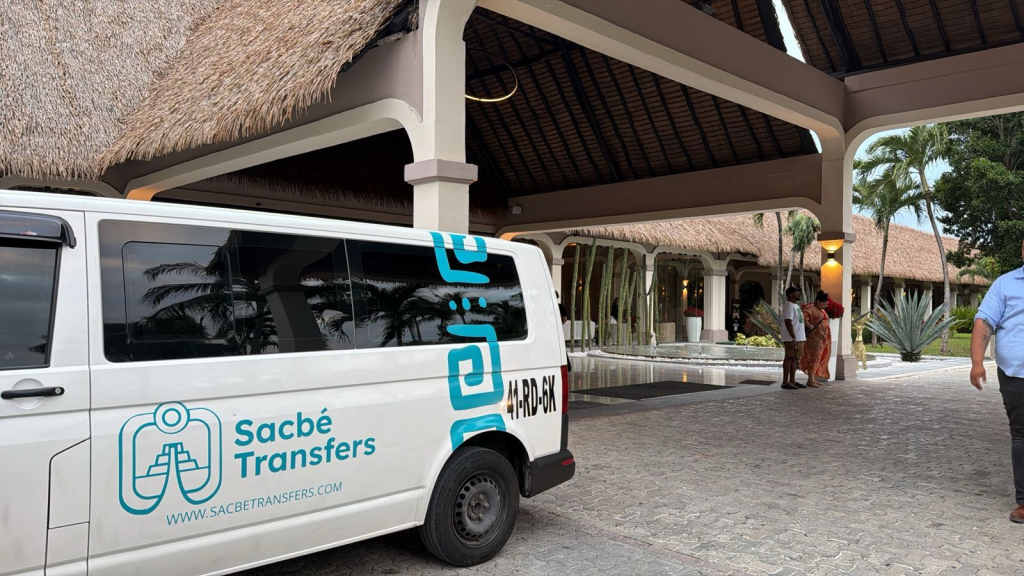
- Private Transfers & Taxis: The most convenient door-to-door option. Pre-booked a shuttle from Tulum Airport for 1-3 passengers cost approximately $60-$80 USD to Tulum Town and $80-$120 USD to the Hotel Zone. If you are traveling from Tulum Airport to Cancun, the best option is Cancun Airport Transportation.
- Rental Cars: Ideal for explorers. Counters for major agencies (Avis, Hertz, Europcar, Sixt, Enterprise, Budget) are inside the terminal. Rates fluctuate but expect roughly $30-$50 USD/day for an economy car. Renting from the airport offers immediate freedom to visit cenotes, ruins, and villages at your own pace.
- ADO Bus: The budget-friendly public bus offers reliable service between the airport and Tulum’s centro. Approximately 8 buses run daily (approx. 10:20 AM – 5:15 PM), with a 45-minute journey costing between 220-290 Pesos ($12-$15 USD). Tickets are best purchased at the ADO booth in the arrivals hall.
- The Maya Train (Tren Maya): More than transportation, this is an experience. The dedicated Tulum Airport Station is a 15-minute shuttle ride (35 Pesos) or a 2km walk from the terminal. From here, modern trains with WiFi and cafe cars can whisk you to Tulum Centro (a short ride) or all the way to Cancun Airport in about 1 hour 40 minutes (Tourist Class: ~$25 USD; Premier Class: ~$40 USD). While not always the fastest door-to-door option, it’s a scenic, comfortable, and innovative way to connect to the wider Yucatán Peninsula.
Amenities at TQO: What to Expect
As a new, Category 4 “ECO” airport, TQO’s single terminal is modern, spacious, and air-conditioned, though some planned amenities are still rolling out.
- Dining & Shopping: You won’t go hungry. Options range from quick bites (Starbucks, Subway, Burger King) to local flavors (El Fogancito tacos, Farine bakery). A duty-free store, souvenir shops, and pharmacies are available. However, for a truly memorable meal, save your appetite for Tulum’s renowned restaurant scene.
- Essential Services: Free WiFi is available for one hour, though connectivity can be unreliable. ATMs and currency exchange are present but often have high fees or are out of service; obtaining pesos beforehand is advised. Other facilities include breastfeeding rooms, a chapel, medical services, and power bank stations.
- Family-Friendly Features: Two post-security children’s playgrounds with padded flooring are a boon for families with young travelers.
- A Note on Lounges: A planned airport lounge had not opened as of late 2025, so plan your wait accordingly.
The Bottom Line for Travelers
The Felipe Carrillo Puerto International Airport is a transformative addition that makes a Tulum-centric vacation more accessible than ever. Its value is highest for those staying south of Playa del Carmen, offering precious time saved on the ground.
Smart Traveler Tips:
- Verify Your Flight First: Given the fluid flight schedules, confirm your route is operating before booking anything else.
- Book Transfers in Advance: Lock in your ride to avoid premium taxi fares and ensure a smooth arrival.
- Consider a Rental Car for Exploration: If your itinerary extends beyond your resort, the freedom is worth it.
- Manage Currency Expectations: Arrive with some Mexican Pesos for immediate costs.
Tulum’ new airport marks the region’s evolution from a bohemian outpost to a premier global destination. By understanding its current dynamics, you can leverage this modern gateway to start your Riviera Maya adventure with ease and efficiency, trading hours on the highway for more time among the ruins, reefs, and radiant waters you came to enjoy.
Buy Me A Coffee
The Havok Journal seeks to serve as a voice of the Veteran and First Responder communities through a focus on current affairs and articles of interest to the public in general, and the veteran community in particular. We strive to offer timely, current, and informative content, with the occasional piece focused on entertainment. We are continually expanding and striving to improve the readers’ experience.
© 2026 The Havok Journal
The Havok Journal welcomes re-posting of our original content as long as it is done in compliance with our Terms of Use.


