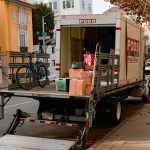
Photo by Luke McKeown on Unsplash
Receiving orders for Hawaii can feel like a dream assignment, but a Permanent Change of Station (PCS) to the islands also comes with unique logistics. Strict timelines, detailed paperwork, household goods shipping, housing decisions, and family preparation all matter more when you are relocating across the Pacific.
What Is a PCS Move?
A PCS move, or Permanent Change of Station, happens when a service member is ordered to move from one duty station to another. For Hawaii assignments, the distance and island location mean you cannot simply drive a moving truck or car across the country. Instead, you will coordinate flights, ocean shipping, and careful scheduling so your belongings and family arrive smoothly.
Why Military Moves to Hawaii Need Early Planning
As soon as you receive PCS orders, it is wise to begin planning. Hawaii duty stations can involve:
- Limited moving dates: Peak PCS seasons fill quickly for movers and shipping companies.
- Housing availability: On-base housing waitlists and competitive off-base rentals mean you should research options immediately.
- Vehicle shipping: Shipping a car to Hawaii requires lead time, paperwork, and inspection.
- School enrollment: Families with children should review local schools, registration deadlines, and required documents.
- Household goods transportation: Ocean transit adds time to delivery windows, so you will need a clear plan for what travels early, what is stored, and what stays with you.
Important Documents to Prepare
Keeping documents organized and accessible reduces stress during your PCS. Common paperwork includes:
- Official PCS orders and any amendments
- Military and dependent identification cards and passports (if needed)
- Housing documents (on-base applications, off-base leases, or reservation confirmations)
- Vehicle titles, registration, and insurance records
- Medical and dental records for all family members
- School records, Individualized Education Programs (IEPs), and transcripts
- An up-to-date household goods inventory with serial numbers and photos
Choosing Between a Government Move and a Personally Procured Move
Military families generally choose between two main approaches:
- Government-arranged move: The government hires carriers to pack, ship, and deliver your household goods. This is usually the simplest option but gives you less control over dates and packing style.
- Personally Procured Move (PPM or DITY): You arrange your own move (or parts of it) and may be reimbursed based on weight and distance rules. A PPM can provide more control and flexibility but also requires more hands-on coordination and careful tracking of expenses.
Families should compare convenience, desired control, timing, and reimbursement guidelines before choosing a method or a combination of both.
Packing for a Military Move to Hawaii
Because your items will travel a long distance and often by sea, organized packing is essential:
- Clearly label every box with your name, destination, and room.
- Separate important documents, valuables, and irreplaceable items to hand-carry during travel.
- Pack an essentials box with clothing, toiletries, medications, chargers, and basic kitchen items to cover the first days or weeks.
- Use sturdy boxes, proper cushioning, and extra protection for fragile or moisture-sensitive items.
Shipping Household Goods and Vehicles
Most Hawaii PCS moves involve shipping furniture, personal belongings, and sometimes vehicles. It is important to:
- Confirm weight allowances and shipping entitlements with your transportation office.
- Review estimated pickup and delivery windows, especially if goods go into temporary storage.
- Understand vehicle shipping requirements, including cleaning, inspection, and removal of personal items.
- Plan for a period without your car or household goods by arranging rental cars, loaner furniture, or temporary lodging.
Finding Housing in Hawaii
Military families typically decide between on-base and off-base housing:
- On-base housing: Often convenient to the duty station, with built-in community and shorter commutes. Availability may be limited, and waitlists can vary by rank and family size.
- Off-base housing: Provides more flexibility in neighborhoods, school districts, and home styles. However, commuting times, parking, and higher rents in some areas should be considered carefully.
Evaluate commute time, access to schools and childcare, proximity to medical care, budget, and the general fit for your family’s lifestyle.
Preparing Your Family for the Move
A successful PCS to Hawaii includes both practical and emotional preparation:
- Coordinate school transfers, including withdrawal forms, report cards, and placement information.
- Schedule medical and dental checkups before leaving and confirm how to transfer prescriptions.
- Plan for childcare needs during packing, travel days, and in-processing at the new duty station.
- Review airline and state regulations for pets, including vaccinations, microchipping, and quarantine rules.
- Talk openly with children and spouses about upcoming changes, new routines, and opportunities on the island.
Common PCS Moving Mistakes to Avoid
Some challenges are common but preventable. Avoid:
- Waiting too long to schedule movers or shipping, especially in busy seasons.
- Storing documents in packed boxes instead of in a hand-carried folder.
- Underestimating shipping and delivery times for household goods and vehicles.
- Forgetting to pack an essentials kit for the first days in Hawaii.
- Delaying your housing research until you arrive on the island.
How Professional Movers Can Help
Experienced movers who handle Hawaii Military Relocation understand PCS requirements, base access, and island logistics. They can assist with packing, loading, transportation, storage, and local delivery, helping you stay within regulations and timelines while reducing the day-to-day burden on your family.
Conclusion
Military relocation in Hawaii requires early planning, careful organization, and the right support network. By preparing key documents, understanding your PCS options, coordinating shipping, and choosing knowledgeable movers, you can make your transition to island life smoother and more manageable for every member of your household.
Buy Me A Coffee
The Havok Journal seeks to serve as a voice of the Veteran and First Responder communities through a focus on current affairs and articles of interest to the public in general, and the veteran community in particular. We strive to offer timely, current, and informative content, with the occasional piece focused on entertainment. We are continually expanding and striving to improve the readers’ experience.
© 2026 The Havok Journal
The Havok Journal welcomes re-posting of our original content as long as it is done in compliance with our Terms of Use.