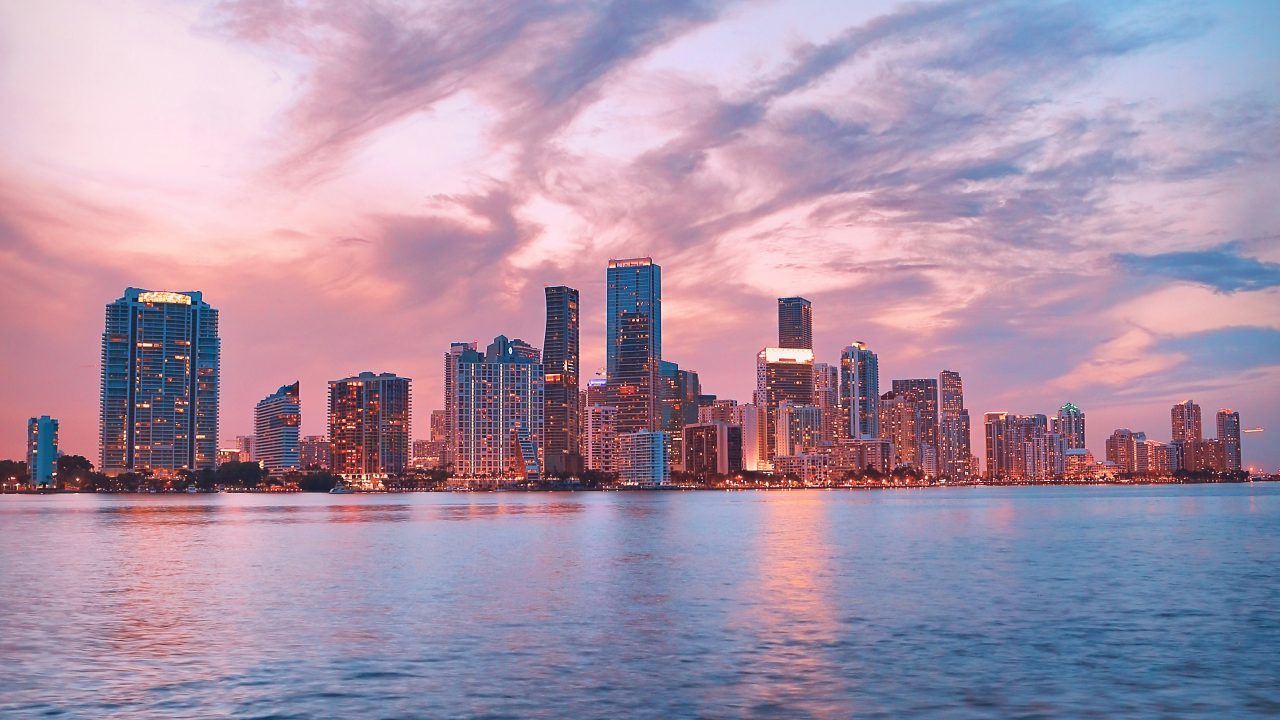
Photo by Muzammil Soorma on Unsplash
Miami isn’t really one city — it’s a collection of distinct neighborhoods, each with its own pace, price tag, and personality. A high-rise condo in Brickell and a tree-shaded bungalow in Coconut Grove are only a few miles apart, but they offer completely different versions of South Florida life. That’s good news if you’re relocating: whatever you’re after — walkable nightlife, top-rated schools, waterfront calm, or budget-friendly culture — there’s a corner of Miami that fits.
Here’s an honest look at the neighborhoods worth considering in 2026, who each one suits best, and what you can realistically expect to pay.
Brickell — The Urban Core
If you want to live where the action is, Brickell is Miami’s answer to a downtown financial district crossed with a nightlife hub. Glass towers, rooftop lounges, fitness studios, and waterfront promenades sit within a few blocks of each other, and despite the density, it’s one of the most walkable parts of the city.
It comes at a premium. One-bedroom apartments typically run in the low-to-mid $3,000s per month, with two-bedrooms often above $4,000. Brickell tends to attract young professionals, finance and tech workers, and anyone who’d rather skip the car for daily errands.
Best for: Professionals who want energy, walkability, and a short commute to the business core.
Coral Gables — The City Beautiful
Coral Gables feels like a different world: Mediterranean-style architecture, banyan-lined boulevards, and a genuine downtown with shops and restaurants. It’s long been one of Miami’s premier family neighborhoods, prized for its highly rated schools, low crime, and established, quieter character.
Housing leans toward single-family homes, and prices reflect the prestige — rentals frequently land in the high $3,000s, and a three-bedroom house often starts around $4,000–$5,000 a month. Buyers should expect some of the highest median prices in the metro.
Best for: Families and buyers who value schools, charm, and a long-term neighborhood feel.
Coconut Grove — Waterfront Village Charm
Miami’s oldest neighborhood, “the Grove” balances a bohemian past with modern luxury. Think canopy-covered streets, direct Biscayne Bay access, a compact walkable village center, and a strong sense of community. Mornings at Margaret Pace–style parks, weekend sailing, and farmers markets define the lifestyle here.
It’s become increasingly desirable, and prices have climbed accordingly — single-family values have risen sharply over the past few years. Renters can still find one-bedrooms in the $2,200–$2,800 range, with older buildings often offering better value than the headline figures suggest.
Best for: Those who want waterfront living and a village vibe without leaving the city.
Pinecrest — Suburban Space and Top Schools
If your priority is excellent public schools and room to breathe, Pinecrest is the classic choice. Large lots, leafy streets, and a family-first atmosphere make it a favorite for households trading a longer commute for space and stability. Homes here hold their value remarkably well, though you’ll pay a premium to get in.
Best for: Growing families chasing top-tier schools and larger properties.
Edgewater — The Emerging Bayfront
Wedged against Biscayne Bay just north of downtown, Edgewater has quickly evolved into a sought-after residential corridor. It offers many of Brickell’s high-rise perks — bay views, modern amenities, quick access to Midtown and the Design District — with a slightly calmer feel and, often, lower overhead. One-bedrooms generally run $2,400–$2,900.
Best for: Younger professionals and remote workers who want water views and a bit more quiet.
Wynwood — Creative and Eclectic
Famous for its murals, galleries, breweries, and nightlife, Wynwood is the city’s arts and creative hub. It’s energetic, social, and increasingly residential, appealing to artists, entrepreneurs, and anyone who wants culture on their doorstep.
Best for: Creatives and digital nomads who thrive on a lively, walkable scene.
Key Biscayne — The Island Retreat
A short causeway from the mainland, Key Biscayne feels like a private island town — golf-cart-friendly, safe, and family-oriented, with beaches and parks at every turn. It’s insulated from the city’s bustle and priced for the privilege.
Best for: Families and private residents who want resort-like calm and security.
More Affordable Alternatives
Not every great Miami neighborhood carries a luxury price tag. Little Havana offers rich Cuban culture, walkability, and authentic food around Calle Ocho. Areas like North Miami, Hialeah, Allapattah, and Little River tend to run well below the citywide average — one-bedrooms in the $1,800–$2,300 range are realistic — with the trade-off of longer commutes to the business core. For context, the citywide average rent hovers in the high $2,000s, so these neighborhoods can stretch your budget meaningfully.
Best for: Renters and first-time buyers who want value, culture, and long-term upside.
A Few Things Every Newcomer Should Know
Beyond the neighborhood vibe, Miami has some local realities worth factoring into your decision:
- No state income tax is a genuine financial perk, and sales tax sits around 7% — lower than in many large metros.
- Insurance costs are high. Property insurance has risen sharply in recent years, and condo owners should ask about HOA reserves and possible special assessments before buying.
- Check the flood zone. Hurricane season runs June through November, so flood exposure and building elevation matter. It’s worth researching before you sign anything.
- Air conditioning is non-negotiable year-round, and that shows up on utility bills.
Making Your Move to Miami
Once you’ve settled on a neighborhood, the logistics are the next hurdle — and in a city of high-rise elevator reservations, tight condo loading docks, and narrow historic streets, that’s no small thing. Working with experienced local movers in Miami who know the difference between maneuvering a truck in Brickell versus parking outside a Coral Gables estate can save you hours of headache and avoid surprise building fees on moving day.
Whichever neighborhood you choose, Miami rewards people who do their homework. Match the area to your lifestyle and budget, plan around the city’s quirks, and line up reliable help for the move itself — and you’ll settle into the Magic City with a lot less stress.
Buy Me A Coffee
The Havok Journal seeks to serve as a voice of the Veteran and First Responder communities through a focus on current affairs and articles of interest to the public in general, and the veteran community in particular. We strive to offer timely, current, and informative content, with the occasional piece focused on entertainment. We are continually expanding and striving to improve the readers’ experience.
© 2026 The Havok Journal
The Havok Journal welcomes re-posting of our original content as long as it is done in compliance with our Terms of Use.


