By Jennifer Byrne, OTD, and Kelli Cabrera, OTD, 5by5 Performance Therapy; Chris Frueh, PhD, University of Hawaii at Hilo; and Lyndsey Tuft, PhD, and Kayleigh Bealer, MS, A-G Associates
Recently, Secretary of War Pete Hegseth signed a memo requiring testosterone screening for all active-duty and Reserve Component personnel age 30 and older as part of their Periodic Health Assessment. It is not a special operations-only measure, but a force-wide one.
Within hours, the story had a headline: The Department of War is rolling out a testosterone program for troops. Public reaction was swift. Social media filled with reactionary commentary, while news outlets sought expert opinions, many from civilian providers, and published analyses. Some health care providers questioned the evidence supporting testosterone therapy as a broad solution for low testosterone, while others debated whether the directive is fundamentally about military readiness, broader health optimization or something else entirely.
What Got Overlooked

In the commentary surrounding the memo, two important points have been missed.
First, while most news and media commentary references Operator Syndrome, the memo places it at the center of the Department’s rationale for a force-wide policy, not as background but as the stated justification. The subject line is “Health and Human Performance Optimization to Enhance Military Readiness,” and by the second paragraph, it states plainly that the testosterone screening exists to support that effort while comprehensively addressing Operator Syndrome, a framework for interconnected physical, cognitive and emotional challenges that require a more comprehensive approach to care, first identified among special operations personnel and other high-risk, combat-focused military occupations by Frueh and colleagues in 2020. Hegseth’s directive doesn’t just reference the Operator Syndrome framework. It treats it as significant enough to warrant dedicated military health policy.
Second, much of the recent commentary has come from providers with limited direct experience treating special operations personnel. Special Operators, the service members who carry out the military’s most physically and psychologically demanding missions, are a high-risk population given the cumulative impact of their job on the brain, body, spirit and family. Some commentators have implicitly treated them as physiologically equivalent to age-matched civilian peers. That assumption doesn’t hold up against the clinical literature on cumulative operational exposure.
This distinction matters because testosterone screening is not the policy’s ultimate intention. Rather, it is one clinical tool within a broader strategy to optimize human performance and address Operator Syndrome.
What is Operator Syndrome?
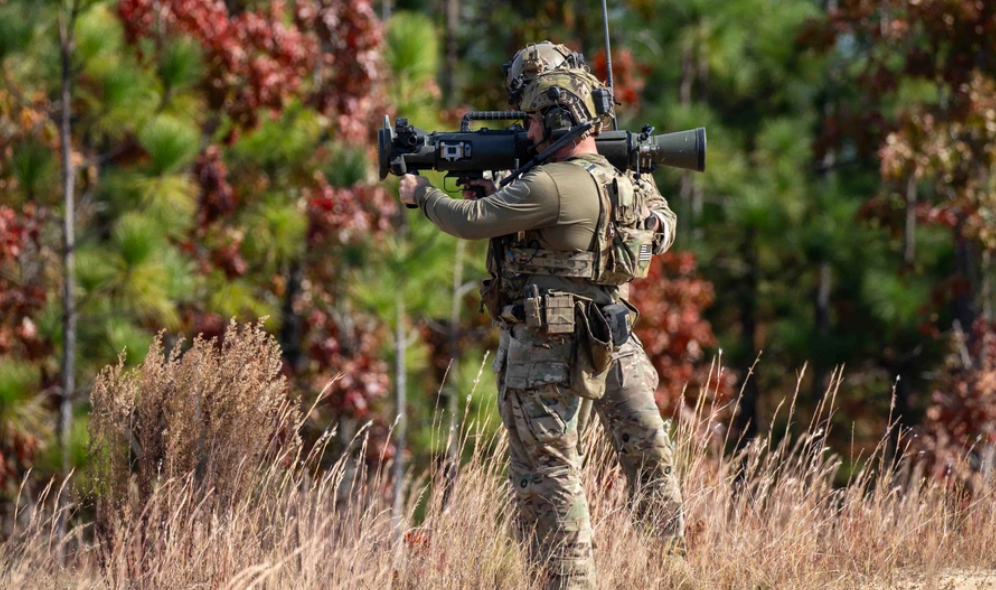
The term emerged from the work of psychologist Dr. Chris Frueh, who spent more than two decades working with special operations personnel and observing recurring patterns of physical, cognitive and psychological symptoms unique to this population. Special Operators who’d spent years bearing the job’s physical and psychological weight presented with tangled combinations of symptoms, including brain injury symptoms, disrupted sleep, chronic pain, hormone irregularities, digestive issues and emotional strain, often all at once and reinforcing one another.
In 2020, Frueh and his colleagues published their paper describing Operator Syndrome, prompting a small but growing group of multidisciplinary clinicians with extensive experience caring for special operations personnel to further investigate the concept. Since then, these efforts have expanded to better understand its underlying mechanisms, refine its clinical framework and explore evidence-informed approaches to prevention, assessment and treatment.
The organizing idea behind Operator Syndrome is allostatic load, the cumulative wear the body and brain absorb from years of chronic stress, disrupted sleep, repeated small- and large-caliber blast injuries, and physical, cognitive and social demands of the job that never let up long enough for full recovery. It’s not a single lesion or a single hormone level. It’s what happens when all of the human physiological systems, including neurological, endocrine, sleep, musculoskeletal, gastrointestinal and emotional health, absorb sustained strain for years without adequate time or adequate care to recover or heal.
An operator walks into a primary care clinic with fatigue and low libido, and it looks like a hormone problem. They walk into behavioral health with irritability and trouble sleeping among other natural consequences of the job, and it can look like depression, anxiety or PTSD. Civilian and military health care systems are largely organized around diagnosing and treating symptoms. For operators with complex, multisystem presentations, this often results in multiple diagnoses, referrals and medications that fail to address, and may even worsen, the underlying injury. Too often, these interventions become ill-fitting Band-Aids, treating isolated symptoms while the root cause remains unrecognized and untreated. As a result, many operators spend years cycling through antidepressants, anxiolytics, stimulants and sleep aids without meaningful improvement. What is needed instead is a clinician, or team of clinicians, who recognize Operator Syndrome, evaluate the whole person and coordinate multidisciplinary care to identify and treat the root causes of their symptoms.
For example, occupational therapy (OT) is a natural fit for this work. OT is uniquely positioned to look beyond individual symptoms and understand how physical, cognitive, emotional and social challenges come together to affect a person’s daily life and ability to function. That is what led Dr. Jennifer Byrne and her team at 5by5 Performance Therapy to this work after years of treating operators holistically and seeing the same interconnected patterns emerge again and again. Operator Syndrome isn’t about replacing existing diagnoses or specialties. It is a framework for understanding how symptoms that are often treated separately may actually be connected, allowing clinicians to see the bigger picture and coordinate care that addresses the whole person.
The distinction is important and worth being precise about: Operator Syndrome doesn’t yet have formal diagnostic status in the systems that psychiatry and medicine use to code conditions. Researchers have been clear that this remains an evolving clinical framework, not a settled diagnosis. But “not yet formalized” is very different from “not real,” and empirical validation is underway to test whether Operator Syndrome holds up as a distinct, measurable pattern.
Where Testosterone Fits
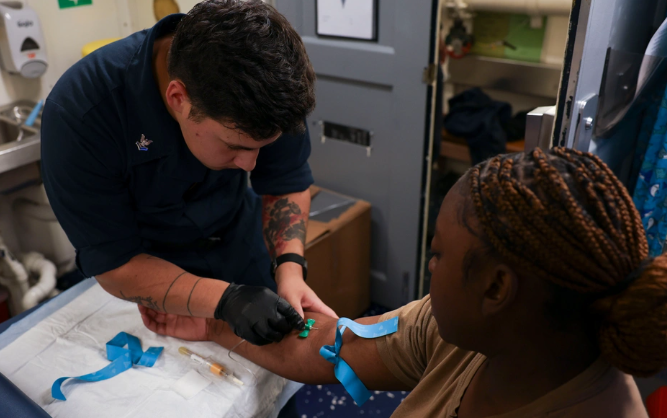
This is where the memo’s testosterone provision belongs: as one piece of a much larger, already-forming clinical picture, not the centerpiece. The few expert clinicians already treating Operator Syndrome place endocrine screening, including testosterone, alongside a handful of other priority areas that clinicians assess early. That is meaningfully different from screening testosterone in isolation. The endocrine changes researchers are seeing in operators are increasingly understood as downstream effects of cumulative stress overload, not a standalone problem with a standalone fix. Treating the number without addressing what’s driving it risks managing a symptom while missing the underlying load.
The medical skepticism directed at universal testosterone screening this week is worth taking seriously, and much of it is indeed well-founded: Hormone levels are hard to measure reliably, timing and individual variability complicate interpretation, and treating a number without understanding why it’s low can create more problems than it solves. However, that critique concerns screening design, not whether Operator Syndrome deserves military doctrine’s attention. Conflating the two risks ignoring real progress simply because one implementation detail needs work, particularly at a moment when Congress has cut Pentagon-funded TBI and psychological health research spending by more than 75% since fiscal year 2024, even as VA data shows reported TBI cases among veterans climbing and misdiagnosis as PTSD remaining a documented risk.
The Endocrine Society recommends testosterone testing only when other symptoms of testosterone deficiency are present. Although appropriate for the general population, this recommendation has important limitations for special operations personnel. Fatigue, impaired concentration, irritability, low motivation and sleep disturbance are very common complaints in this population; however, they are often accepted as part of the job and rarely reported formally to medical professionals. Consequently, waiting for operators to recognize and disclose these symptoms before initiating evaluation risks delaying diagnosis and treatment that could improve and maintain lethality. For high-risk occupational populations such as special operators, a more proactive screening strategy should be considered.
What Comes Next Matters More Than the Headline
Secretary Hegseth’s memo calls for an advisory council of outside experts to help guide implementation. The opportunity before that council is not simply to improve access to testosterone therapy, but to redefine how military medicine evaluates cumulative operational injury. Clinicians across the country are already using the Operator Syndrome framework to guide comprehensive, multidisciplinary care for special operations personnel. The next step is to ensure that this systems-based approach becomes the standard rather than the exception, recognizing that fatigue, sleep disruption, cognitive decline, hormonal dysfunction, chronic pain and mood changes are often interconnected manifestations of cumulative operational exposure, not isolated conditions requiring isolated treatments. That is worth celebrating.
References
“Operator Syndrome”: A Unique Constellation of Medical and Behavioral Health-Care Needs of Military Special Operation Forces, by B.C. Frueh, A. Madan, J.C. Fowler, S. Stomberg, M. Bradshaw, K. Kelly, B. Weinstein, M. Luttrell, S.G. Danner and D.C. Beidel (The International Journal of Psychiatry in Medicine). https://doi.org/10.1177/0091217420906659
Operator Syndrome Symptom Scale-Self Report (OSSS-SR), by a multidisciplinary research team (ongoing validation work). This multidomain self-report instrument assesses Operator Syndrome symptoms across neurological, autonomic, endocrine, sleep, musculoskeletal, gastrointestinal, emotional, social and cardiometabolic domains.
Operator Syndrome: Nursing Care and Considerations for Military Special Operations, by R.A. Ivory, J.S. Graber, B.C. Frueh and H. Cady (Nursing2024). https://doi.org/10.1097/NSG.0000000000000001
Surge in Veterans’ Brain Injuries Shown in VA Records, by J.M. Donnelly (Roll Call). https://rollcall.com/2026/07/20/surge-in-veterans-brain-injuries-shown-in-va-records/
Testosterone Therapy in Men With Hypogonadism: An Endocrine Society Clinical Practice Guideline, by S. Bhasin, J.P. Brito, G.R. Cunningham, F.J. Hayes, H.N. Hodis, A.M. Matsumoto, P.J. Snyder, R.S. Swerdloff, F.C. Wu and M.A. Yialamas (The Journal of Clinical Endocrinology & Metabolism). https://doi.org/10.1210/jc.2018-00229
Author Bios
5by5 Performance Therapy
Jennifer Byrne, OTD, OTR/L, co-founder of 5by5 Performance Therapy: Dr. Byrne is an Air Force veteran, occupational therapist, and founder and CEO of 5by5 Performance Therapy, a multidisciplinary practice dedicated to optimizing the health and performance of Special Operations personnel, veterans, first responders and their families. During her military service, Dr. Byrne established the U.S. Air Force’s first Special Operations sports medicine program and developed embedded health and performance initiatives that continue to support operational readiness.
A recognized leader in operator-centric health care, Dr. Byrne specializes in multidisciplinary approaches to cumulative operational injury, human performance and occupational therapy. She leads innovative clinical programs that integrate physical, cognitive, behavioral and nutritional care to address the complex health challenges experienced by tactical professionals. Through 5by5 Performance Therapy, she also contributes to research and education focused on improving long-term outcomes for the Special Operations community.
Dr. Byrne is actively advancing research on Operator Syndrome and serves as a co-developer of the Operator Syndrome Symptom Scale-Self Report (OSSS-SR), a research instrument designed to support the assessment and study of cumulative operational injury. Her work is driven by a commitment to strengthening evidence-informed care and improving the lifelong health and readiness of those who serve in the nation’s most demanding military professions.
Dr. Byrne is also a proud mom and the spouse of an Air Force combat rescue officer, as well as the co-founder of Shields & Stripes, a 501(c)(3) nonprofit for veterans and first responders.
Kelli Cabrera, OTD, OTR/L, CHT: Dr. Cabrera is an occupational therapist, certified hand therapist, educator and U.S. Air Force veteran with extensive clinical and leadership experience in rehabilitation, upper extremity care and military health. She currently serves as a clinical lecturer in the Department of Occupational Therapy at Baylor University, where her teaching and research focus on veteran and first responder health, holistic wellness, sleep and rehabilitation. Throughout her career, Dr. Cabrera has held leadership roles in clinical practice, academia and military medicine and is dedicated to advancing evidence-based, multidisciplinary approaches that improve health and performance for service members, veterans and tactical professionals.
University of Hawaii at Hilo
Chris Frueh, PhD: Dr. Frueh has more than 30 years of professional experience working with military veterans and active-duty personnel and has conducted clinical trials and epidemiological, historical and neuroscience research. He has co-authored more than 300 scientific publications, including a graduate textbook on adult psychopathology. His work on “Operator Syndrome” is helping change the way we understand and treat the complex set of interrelated health, psychological and interpersonal difficulties that are common downstream outcomes of a career in military special operations. He devotes his efforts to the SEAL Future Foundation (chair, medical advisory board), Boulder Crest Foundation (scientific advisory panel), Military Special Operations Family Collaborative, The Mission Within, VETS, Inc., Quick Reaction Foundation (Houston), and the military special operations community in general.
A-G Associates
Lyndsey Tuft, PhD, ODPC: Dr. Tuft is an industrial and organizational psychologist and ICF-certified executive and emotional intelligence coach at A-G Associates, where she designs and evaluates evidence-based strategies that strengthen organizational effectiveness, leadership capability and system-wide performance.
She specializes in helping leaders make sense of complex systems and translate insight into coordinated action across federal and community-based initiatives. Her work spans program evaluation, organizational assessment and learning strategy in high-stakes, multi-partner environments.
Lyndsey currently leads education and evaluation initiatives for national behavioral health and veteran-serving programs, supporting workforce development, training effectiveness and system-level improvement across diverse stakeholder networks.
Kayleigh Bealer, MS: Bealer is the associate vice president of research, data and evaluation at A-G Associates, overseeing high-impact research and analytics projects. With 14 years of experience in health care policy, health IT and services, she has extensive expertise in managing complex systems and creating meaningful change for military service members, veterans and their families.
Kayleigh leads strategy and execution for the DoW and VA portfolios, mentors project managers and guides diverse teams of data scientists, researchers and analysts. She ensures the successful delivery of research, surveys, analytics and large-scale operations while pushing forward national initiatives. She also builds a strong research and analytics community of practice, enhancing A-G’s impact in the defense sector.
As a key member of the Military, Veteran, and Family Center of Excellence (MVF COE), Kayleigh oversees efforts to identify key gaps, develop solutions and foster collaboration with organizations supporting the MVF community. Her mission-driven approach amplifies voices, strengthens communities and produces tangible results.
_____________________________
As the Voice of the Veteran Community, The Havok Journal seeks to publish a variety of perspectives on a number of sensitive subjects. Unless specifically noted otherwise, nothing we publish is an official point of view of The Havok Journal or any part of the U.S. government.
Buy Me A Coffee
The Havok Journal seeks to serve as a voice of the Veteran and First Responder communities through a focus on current affairs and articles of interest to the public in general, and the veteran community in particular. We strive to offer timely, current, and informative content, with the occasional piece focused on entertainment. We are continually expanding and striving to improve the readers’ experience.
© 2026 The Havok Journal
The Havok Journal welcomes re-posting of our original content as long as it is done in compliance with our Terms of Use.


