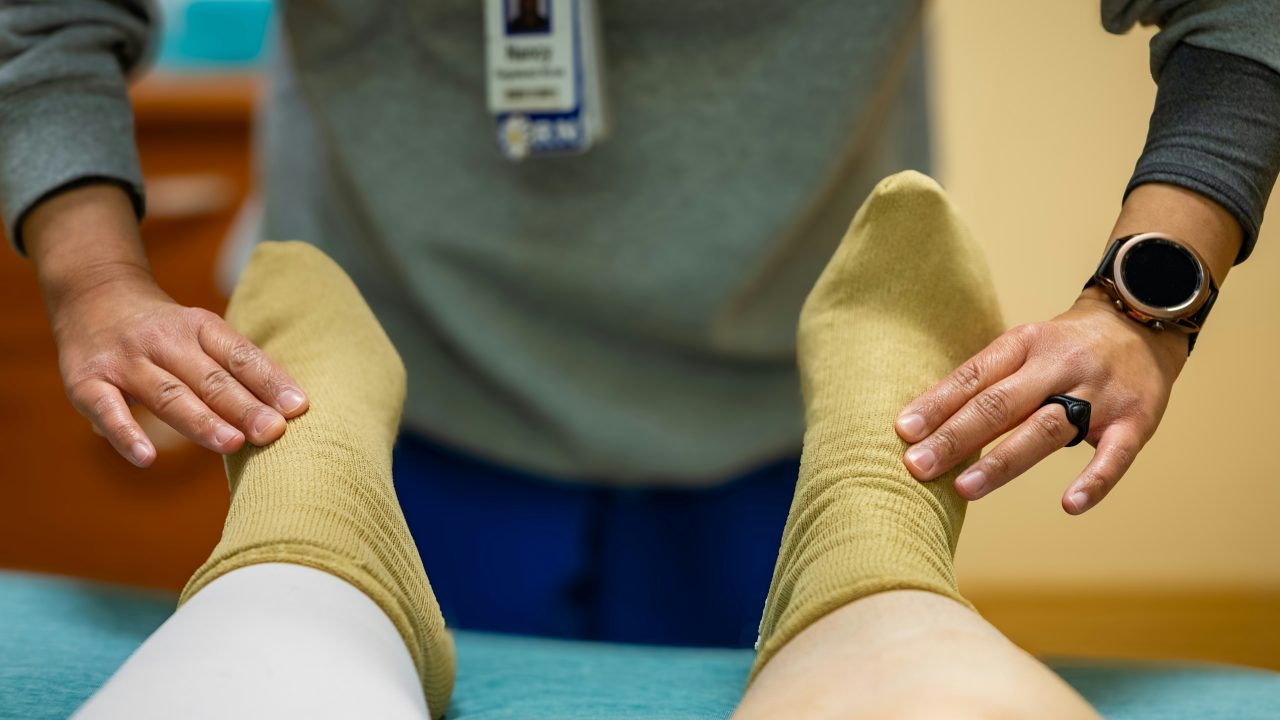
Photo by Judy Beth Morris on Unsplash
Managing both a mental health condition and a substance use disorder presents a unique complexity. These co-occurring conditions demand a unified treatment method. Intensive outpatient programs deliver this necessary, integrated care. They offer a structured therapeutic schedule that supports daily life commitments.
Structured Programs like the GBAC’s Intensive Outpatient Program provide this essential balance. Clients receive consistent, high-level treatment without a residential stay. This model allows for the immediate application of learned skills. Maintaining work or family life during recovery becomes a practical reality.
Integrated And Unified Treatment Methods
The primary advantage involves treating both conditions together. Separate care sometimes fails to address their interconnected nature. Therapy sessions explore how symptoms influence each other directly. This strategy creates a more coherent and effective path to wellness.
Patients work with a dedicated team in individual and group settings. These professionals understand the nuances of dual diagnosis care. They design plans that target root causes from multiple angles. This coordinated effort supports holistic healing and symptom management.
A Robust Toolkit Of Coping Skills
Participants gain practical strategies for daily challenges. They learn to identify personal triggers and emotional cues. Skills for distress tolerance and impulse control are practiced routinely. This education builds confidence for moments of stress or temptation.
The focus remains on actionable techniques rather than just theory. Role-playing and scenario planning happen in a safe group environment. Clients then test these methods in their own homes and communities. Real-world practice solidifies the lessons from each session.
Connection And Community Support
Isolation frequently worsens the symptoms of dual diagnoses. These programs create a consistent community of peers. Shared experiences in group therapy reduce feelings of being alone. Mutual understanding fosters a powerful healing environment.
This network offers accountability and encouragement outside clinical hours. Lasting bonds can form from shared dedication to progress. Social support becomes a key component of the recovery process. A sense of belonging replaces previous patterns of withdrawal.
Continuity Of Care And Accountability
Successful management requires consistent support and proper planning. Programs usually incorporate case management and psychiatric services. Family therapy sessions can mend strained home dynamics. This multi-faceted approach addresses the individual’s complete life situation.
A gradual step-down process prepares clients for less frequent care. Aftercare planning establishes clear guidelines for sustained progress. Support networks are identified before program completion. This thorough transition planning aids long-term stability.
Key components commonly include:
- Regular individual therapy sessions
- Specialized dual diagnosis education groups
- Coordinated medication management
- Scheduled family involvement meetings
Choosing The Right Support Network
Selecting an appropriate treatment program is a significant personal decision. The details of available services and therapeutic philosophies matter greatly. Prospective clients should seek clear information about a provider’s specific methods. A direct review of program materials offers the best understanding.
A reputable center provides transparent details about its clinical approach online. Their website should clearly list treatment modalities and staff qualifications. It will describe the daily schedule and family involvement opportunities. This accessible information allows individuals to make confident, informed choices for their care.
The intensive outpatient model delivers flexibility with substantial therapeutic depth. It represents a viable option for sustained recovery from dual diagnoses. For example, programs like the GBAC’s Intensive Outpatient Program show this effective balance. This approach helps individuals build a stable foundation for long-term health.
Buy Me A Coffee
The Havok Journal seeks to serve as a voice of the Veteran and First Responder communities through a focus on current affairs and articles of interest to the public in general, and the veteran community in particular. We strive to offer timely, current, and informative content, with the occasional piece focused on entertainment. We are continually expanding and striving to improve the readers’ experience.
© 2026 The Havok Journal
The Havok Journal welcomes re-posting of our original content as long as it is done in compliance with our Terms of Use.

