Asking for help can feel like a surrender. For military veterans and first responders, the pressure to remain unbroken is immense. We are trained to carry the weight of the world without flinching.
But carrying substance abuse alone is a battle you cannot win with sheer willpower. Real strength is not about suffering in silence. It is about recognizing when you need backup and making the call to secure it.
Breaking the Silence in High-Stress Roles
High-stress professions demand constant readiness and emotional suppression. This environment makes admitting a struggle with drugs or alcohol incredibly difficult. Many heroes suffer behind closed doors, fearing that reaching out will damage their reputation or career. This fear of judgment prevents many from getting the help they deserve.
The damp winters of Oregon often parallel the internal isolation of a person struggling with substance dependence. Seeking professional addiction treatment in Eugene, OR, offers a clear path toward reclaiming control over your life. Taking this initial step represents a sign of strength rather than weakness.
Understanding the Scope of the Battle
Substance use disorders affect millions of citizens from all walks of life. A federal agency report revealed that in 2022, more than 1 in 6 Americans aged 12 or older reported experiencing a substance use disorder. These numbers show that you are never fighting this battle alone, and support is always available.
The crisis has had devastating consequences across the country. According to public health data, drug overdose deaths dropped to 87,000 between October 2023 and September 2024, representing a decline from 114,000 the year prior. With this decline, the numbers still represent a severe public safety issue.
Modern Approaches to Recovery
Rehabilitation programs have advanced significantly to meet the needs of those seeking sobriety. An article by a rehabilitation group highlighted that recovery methods changed dramatically in 2025 by focusing heavily on holistic healing and modern innovations[cite: 1]. These advancements provide individuals with better tools to rebuild their daily routines. Having access to these methods increases your chance of long-term success.
- Research-backed care: A national association of treatment providers explained that effective care relies on clinical research and individual preferences.
- Treatable condition: A blog post from an Indiana recovery center explained that modern medicine views chemical dependency as a treatable brain disease.
Rebuilding Your Life and Reducing Relapse Risk
Developing a solid recovery plan involves selecting the right therapeutic paths. A government research institute notes that behavioral therapies like individual or group counseling remain the most common approaches to care. These options help you address the root causes of addiction.
A mental health guide indicates that successful therapy is tailored to your age, drug-use history, and co-occurring psychiatric conditions. Finding the right fit is crucial for long-term sobriety. Statistics published by a recovery resource show that relapse risk drops to 15% or lower after 5 years of continuous sobriety. Staying committed to the process helps secure a healthier future.
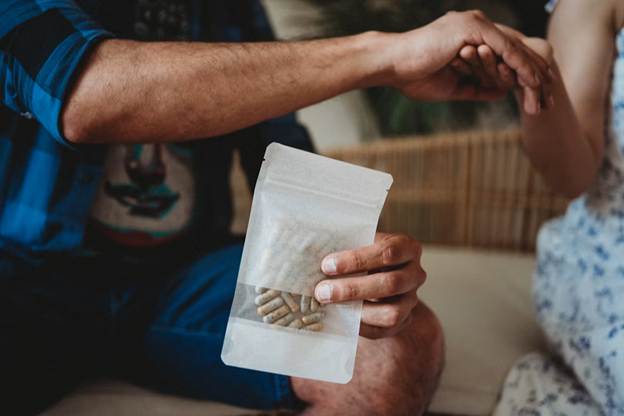
Recovery is not a path you must walk alone. For those accustomed to standing strong for others, accepting support can feel uncomfortable. True courage lies in facing the problem and accepting the hand extended to help you rise.
Reaching out connects you with a community ready to stand by your side. Your healing journey begins with a single, brave conversation. Make that call and start reclaiming your life.
Buy Me A Coffee
The Havok Journal seeks to serve as a voice of the Veteran and First Responder communities through a focus on current affairs and articles of interest to the public in general, and the veteran community in particular. We strive to offer timely, current, and informative content, with the occasional piece focused on entertainment. We are continually expanding and striving to improve the readers’ experience.
© 2026 The Havok Journal
The Havok Journal welcomes re-posting of our original content as long as it is done in compliance with our Terms of Use.


