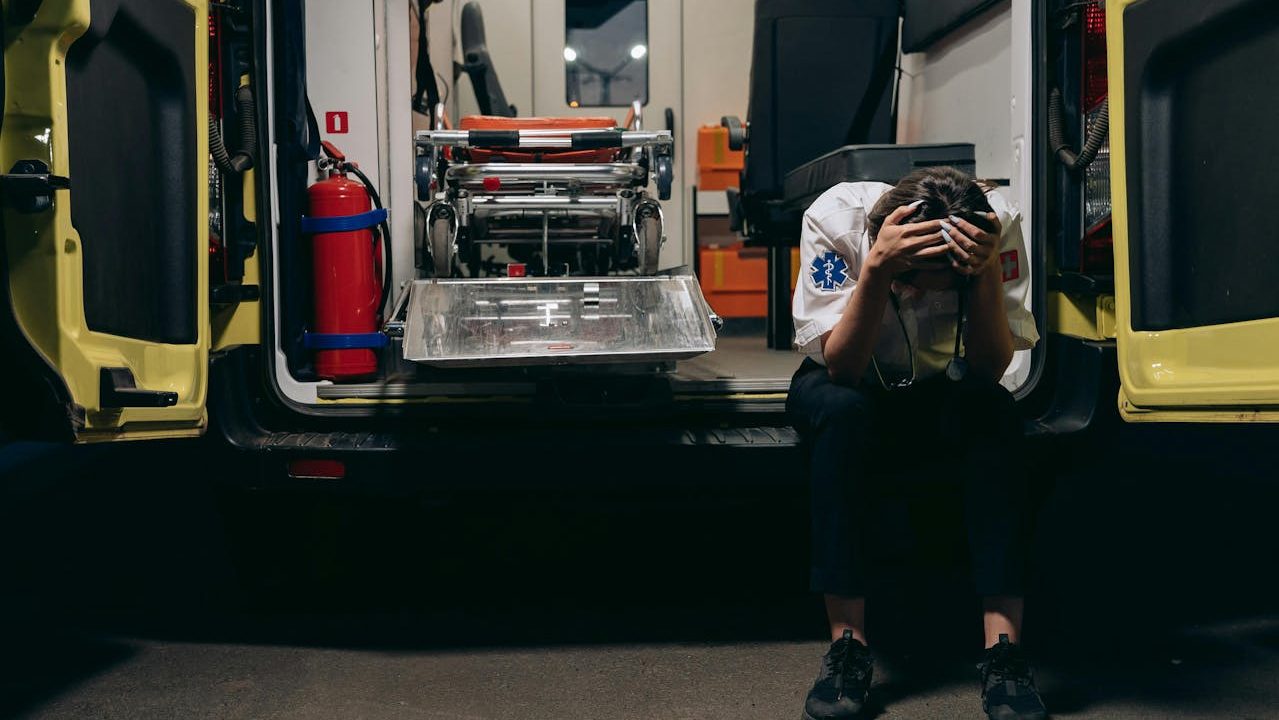
First responders are often seen as the people who run toward danger when everyone else is trying to get away from it. Police officers, firefighters, paramedics, dispatchers, and emergency medical personnel work in high-pressure environments where exposure to trauma is part of the job. Over time, however, repeated exposure to crises can take a serious toll on mental health.
What makes this issue especially complex is that trauma, addiction, and burnout rarely exist in isolation. For many first responders, these challenges begin to overlap in ways that affect emotional well-being, physical health, relationships, and job performance.
A firefighter struggling with sleep after repeated emergency calls may begin relying on alcohol to unwind. A paramedic experiencing chronic stress may start feeling emotionally detached from patients and family members. A police officer coping with untreated trauma may develop symptoms of anxiety, depression, or substance misuse without immediately recognizing the connection.
In this article, Havok Journal explores how these issues intersect and what is essential for improving long-term outcomes. This also helps first responders and their loved ones recognize when support may be needed and what effective care can look like through evidence-based mental health programs and support systems designed specifically for high-stress professions.
Why First Responders Face Unique Mental Health Risks
Few professions involve repeated exposure to human suffering the way emergency response work does. First responders routinely witness accidents, violence, medical emergencies, death, and unpredictable situations that can overwhelm the nervous system over time.
Unlike a single traumatic event, cumulative trauma develops gradually. Even when individuals appear calm and capable on the outside, the brain and body may still be processing intense stress internally. This chronic exposure can contribute to conditions such as post-traumatic stress disorder (PTSD), depression, anxiety disorders, and substance use disorders.
There are also cultural factors that make mental health challenges harder to address within emergency response professions. Many first responders are trained to stay composed under pressure, suppress emotional reactions, and prioritize the needs of others.
While these traits are valuable during emergencies, they can sometimes discourage individuals from acknowledging their own struggles. As a result, many first responders wait until symptoms become severe before seeking support.
The Connection Between Trauma and Addiction
Trauma and addiction are closely linked, particularly among individuals working in high-stress environments. After difficult shifts or emotionally overwhelming calls, some first responders may turn to alcohol, prescription medications, or other substances to cope with intrusive memories, sleep disturbances, or chronic anxiety.
At first, substance use may seem manageable or socially normalized. Drinking after a shift, using sleep aids, or relying on stimulants to stay alert can gradually become coping mechanisms rather than occasional habits.
Over time, however, substance use can intensify existing mental health symptoms rather than relieve them. Alcohol and drugs may temporarily numb emotional pain, but they often interfere with healthy sleep, emotional regulation, and long-term recovery from trauma.
This creates a cycle where unresolved trauma fuels substance use, and substance use worsens emotional distress.
For first responders, this cycle can be especially dangerous because job responsibilities require quick decision-making, emotional control, and physical safety. Untreated addiction may also increase feelings of shame or isolation, making it harder to ask for help.
Burnout Is More Than Everyday Stress
Burnout is often misunderstood as simple exhaustion, but it is much deeper than feeling tired after a difficult week. Occupational burnout develops when chronic workplace stress overwhelms a person’s ability to recover emotionally and physically.
Among first responders, burnout can appear as emotional numbness, irritability, cynicism, reduced empathy, difficulty concentrating, and loss of motivation. Some individuals may begin feeling detached from the work they once cared deeply about.
Burnout also affects physical health. Chronic stress can contribute to headaches, digestive problems, high blood pressure, insomnia, and weakened immune functioning. When burnout overlaps with trauma exposure and substance use, the effects can become even more severe.
One important challenge is that burnout often develops slowly. Many first responders continue functioning at a high level professionally while struggling privately with emotional exhaustion.
Because emergency response culture often values resilience and endurance, some individuals may dismiss burnout symptoms as simply “part of the job.” Unfortunately, ignoring these warning signs can increase the risk of mental health crises later on.
Recognizing the Warning Signs Early
One of the most important steps in protecting first responder mental health is learning how to recognize early warning signs before symptoms escalate.
Trauma-related symptoms may include nightmares, flashbacks, hypervigilance, emotional reactivity, avoidance behaviors, or persistent feelings of guilt. Others may experience emotional numbness or difficulty connecting with loved ones.
Signs of substance misuse can include increased alcohol consumption, secretive behavior, relying on substances to sleep or relax, mood swings, or declining work performance.
Burnout may appear as chronic fatigue, irritability, emotional detachment, hopelessness, or feeling overwhelmed, even during routine tasks.
Family members and coworkers are often among the first to notice changes. Withdrawal from relationships, increased anger, emotional shutdown, or major personality shifts may indicate that additional support is needed.
The earlier the intervention occurs, the more effective the treatment and recovery tend to be.
Why Many First Responders Hesitate to Seek Help
Despite growing awareness around mental health, stigma remains a significant barrier in many emergency response professions.
Some first responders fear being viewed as weak, unreliable, or unable to perform their duties if they admit they are struggling emotionally. Others worry about career consequences, confidentiality concerns, or judgment from peers.
There is also a common misconception that mental health treatment only becomes necessary during severe crises. In reality, early support can prevent symptoms from worsening and improve long-term resilience.
Seeking care is not a sign of failure. It is a proactive step toward maintaining emotional health, professional performance, and overall quality of life.
This is why specialized care matters. Programs designed specifically for trauma and occupational stress among first responders often provide a more supportive and relatable environment than generalized treatment settings.
What Effective Treatment Looks Like
Recovery is rarely about addressing just one issue in isolation. Because trauma, addiction, and burnout frequently overlap, effective treatment typically takes an integrated approach.
Evidence-based mental health programs often combine therapy, psychiatric support, trauma-informed care, stress management strategies, and substance use treatment when appropriate. These approaches focus not only on symptom reduction but also on helping individuals rebuild emotional balance, healthy coping skills, and long-term resilience.
Trauma-focused therapies such as cognitive behavioral therapy (CBT), eye movement desensitization and reprocessing (EMDR), and mindfulness-based interventions are commonly used to help first responders process traumatic experiences safely.
Peer support can also play a meaningful role in recovery. Many first responders benefit from connecting with others who understand the realities of emergency response work firsthand. Feeling understood reduces isolation and helps normalize conversations around mental health.
For individuals seeking structured care, working with an accredited treatment facility in Boise or another specialized program can provide access to clinicians experienced in trauma, addiction, and occupational stress disorders affecting first responders.
How Families Are Affected
Mental health struggles do not only impact the individual first responder. Partners, children, and family members often feel the effects as well.
Trauma-related stress may contribute to communication difficulties, emotional distance, irritability, or unpredictable mood changes at home. Family members may struggle to understand why their loved one seems withdrawn or emotionally unavailable.
Substance misuse can further strain relationships by increasing conflict, secrecy, and emotional instability.
Family involvement is often an important part of treatment and recovery. Education about trauma, stress, and addiction can help loved ones better understand what the individual is experiencing while improving communication and support within the household.
Strong support systems can significantly improve recovery outcomes and reduce feelings of isolation for everyone involved.
Building a Healthier Culture Around Mental Health
Mental health conversations within first responder professions have improved in recent years, but there is still work to do.
Creating healthier workplace cultures requires ongoing education, leadership support, confidential access to care, and open conversations about stress and emotional wellness. Mental health support should not only be available after a crisis occurs. Preventive care and early intervention are equally important.
Departments and organizations can help by encouraging peer support initiatives, normalizing counseling services, and providing access to evidence-based mental health programs tailored to high-risk professions.
When leaders openly acknowledge the emotional realities of emergency response work, it becomes easier for others to seek support without fear of judgment.
First Responder Recovery and Resilience Are Possible
Experiencing trauma, burnout, or addiction does not mean a first responder is incapable of recovery or unable to continue leading a meaningful life. With the right support, many individuals regain emotional stability, improve relationships, and develop healthier ways to manage stress.
Recovery is not about eliminating every difficult emotion or forgetting traumatic experiences. It is about learning how to process those experiences safely while rebuilding physical, emotional, and psychological well-being.
Whether someone is beginning to notice signs of burnout or struggling with more severe symptoms related to trauma and substance use, help is available. Seeking support through evidence-based mental health programs can be an important step toward healing, resilience, and long-term wellness.
First responders spend their careers protecting others during moments of crisis. Their mental health deserves the same level of attention, compassion, and care.
Buy Me A Coffee
The Havok Journal seeks to serve as a voice of the Veteran and First Responder communities through a focus on current affairs and articles of interest to the public in general, and the veteran community in particular. We strive to offer timely, current, and informative content, with the occasional piece focused on entertainment. We are continually expanding and striving to improve the readers’ experience.
© 2026 The Havok Journal
The Havok Journal welcomes re-posting of our original content as long as it is done in compliance with our Terms of Use.


