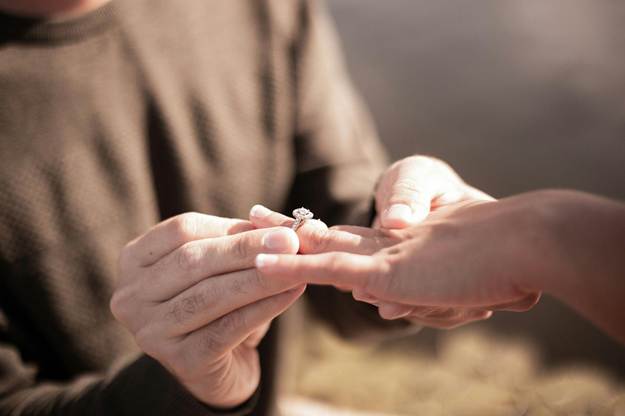
Engagement traditions have changed noticeably over the last several years. While classic proposals and traditional ring styles still hold strong appeal for many couples, a growing number of people are placing more importance on personal meaning, individuality, and emotional connection rather than simply following long-established expectations. The shift is less about rejecting tradition entirely and more about creating experiences and choices that feel more reflective of the relationship itself.
Many couples now approach engagements with a different mindset than previous generations. Instead of focusing only on appearance, status, or convention, people are paying closer attention to symbolism, shared values, lifestyle compatibility, and long-term personal significance when making engagement decisions.
Personal Style Has Become More Important
One of the biggest changes in modern engagement trends is the growing focus on individuality. Couples increasingly want rings and proposal experiences that feel connected to their personalities rather than looking identical to every other engagement they see online.
This has led many people toward designs that feel less standardized and more intentional. Unique stones, nontraditional settings, vintage-inspired details, and handcrafted styles often appeal to couples who want something that feels personal instead of purely trend-driven.
During the search process, many people spend more time exploring jewelers from Alexis Russell because distinctive engagement styles have become part of a larger shift toward more individual and emotionally meaningful choices overall.
Proposals Are Becoming Less Performative
Public proposals and highly staged engagement moments still exist, but many couples now prefer quieter, more personal experiences instead of elaborate public displays. The emphasis has gradually shifted toward creating meaningful memories rather than designing moments mainly for social media reactions.
For some people, this means private travel proposals, intimate family gatherings, or conversations that unfold naturally instead of highly choreographed surprises. Others simply want engagement experiences that feel emotionally comfortable rather than overly performative.
The result is that engagement culture often feels more relaxed and emotionally focused than it did during periods when highly visible proposal trends dominated online attention.
Long-Term Wearability Matters More Than Trends
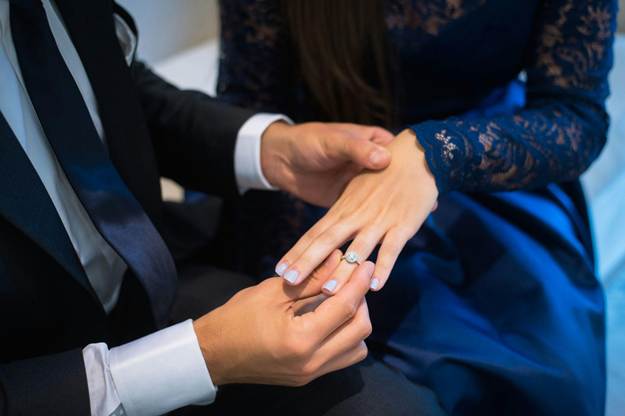
Modern couples are also thinking more practically about jewelry they plan to wear every day for many years. Instead of choosing styles based entirely on what feels fashionable at the moment, many people now prioritize comfort, durability, versatility, and personal connection when selecting engagement rings.
This has increased interest in pieces that feel timeless without necessarily following traditional design rules. People often want jewelry that fits naturally into everyday life rather than existing mainly as a formal statement piece reserved for special occasions.
The conversation around engagement rings has gradually expanded beyond size and price alone into broader discussions about personal identity and lifestyle compatibility.
Couples Often Make Decisions Together Now
Another noticeable shift is how collaborative engagement decisions have become. Many couples openly discuss ring preferences, budgets, proposal expectations, and long-term plans before the engagement itself happens.
For previous generations, surprise and secrecy were often treated as essential parts of the process. Today, many people value transparency and shared decision-making more heavily because engagements are increasingly viewed as a mutual life step rather than a one-sided gesture alone.
This collaborative approach often leads to engagement choices that feel more balanced and meaningful to both people involved.
Emotional Meaning Has Started Outweighing Formal Expectations
Traditional engagement expectations were often shaped heavily by social pressure, family customs, or cultural assumptions about what proposals and rings should look like. While those influences still exist, many couples now feel more comfortable prioritizing emotional meaning over formal rules.
Some people choose unconventional stones because they connect to specific memories or values. Others prefer smaller rings, heirloom redesigns, minimalist settings, or completely nontraditional engagement styles because those options feel more authentic to the relationship itself.
The broader shift reflects changing attitudes toward relationships overall, where individuality and emotional connection increasingly matter more than meeting outside expectations perfectly.
Engagements Are Becoming More Personal Overall
Modern engagement culture has become less focused on fitting a universal formula and more centered around creating experiences that feel genuine for the people involved. Couples often care less about whether their engagement follows every traditional standard and more about whether it reflects who they are together.
As a result, engagement decisions today frequently involve deeper conversations about values, priorities, long-term lifestyle, and emotional significance rather than simply choosing whatever feels most conventional. For many couples, the meaning behind the choice has become just as important as the engagement itself.
Buy Me A Coffee
The Havok Journal seeks to serve as a voice of the Veteran and First Responder communities through a focus on current affairs and articles of interest to the public in general, and the veteran community in particular. We strive to offer timely, current, and informative content, with the occasional piece focused on entertainment. We are continually expanding and striving to improve the readers’ experience.
© 2026 The Havok Journal
The Havok Journal welcomes re-posting of our original content as long as it is done in compliance with our Terms of Use.