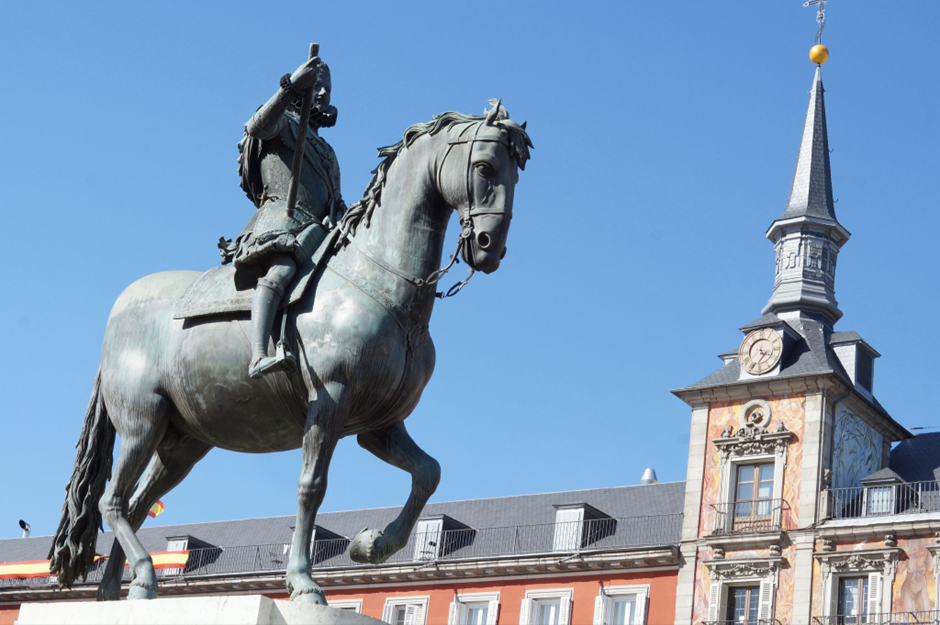
Learning about the past provides a foundation for our lives today. This allows us to see the patterns that have shaped our world over many centuries. We can observe how previous generations handled crises and change.
Understanding these cycles helps people make better choices for their families and communities. The events that happened long ago still influence how our modern systems function every single day. We gain wisdom by looking at the successes and failures of those who came before us.
Connecting Past Events To Personal Identity
People often look back at their ancestors to understand where they come from. Knowing your family history gives a sense of belonging and helps you find your place in the world. It provides a map of the choices made by those who lived before you and how they survived.
Cultural traditions are passed down through generations for a specific reason. Those stories help maintain a connection to our roots and keep our shared heritage alive. We learn how our ancestors handled hardships and celebrated their biggest triumphs during difficult times.
Shared history creates a bond between different groups of people. It provides a common language for understanding the struggles and victories that defined previous eras. That knowledge helps us recognize that our modern problems are often not as unique as they might seem to us now.
Lessons From Global Conflicts
Wars and major disagreements have shaped the borders of our nations for a long time. Studying these moments helps us see how easily peace can be lost if people are not careful. It teaches us about the high cost of misunderstanding and the value of open communication.
Conflict in the past has often led to the creation of new ways to teach peace. School systems often implement holocaust education programs to teach younger students about the dangers of unchecked hatred and bias. Learning these lessons helps prevent similar tragedies from occurring in the years ahead.
Conflict resolution is a skill that we can learn from studying historic peace treaties. Seeing how leaders negotiated in the past helps current diplomats find ways to settle modern disputes without using violence. We can apply these old lessons to the new challenges we face in a global society.
Strengthening Regional Cooperation
Governments work together so that major historical events are never forgotten by future generations. Working across borders allows different nations to share their unique perspectives on shared tragedies and successes. It builds a stronger foundation for lasting peace between neighboring countries.
A report on regional efforts noted that representatives from several European countries met in Sarajevo during early 2026. These leaders gathered to discuss shared education and remembrance goals for their respective ministries of culture. They hope to create a unified approach to teaching about the past across their borders.
Cooperation builds trust between neighbors who might have had difficult relationships in the past. It creates a space where different cultures can find common ground and work toward a stable future together. Such efforts prove that learning from the past can lead to a more harmonious present for everyone.
Building Empathy Through Stories
Hearing the personal stories of those who lived through major events makes history feel real. It moves the subject beyond just names and dates into the realm of human experience. We start to see the faces of the people who actually experienced the changes we read about.
A university article noted that knowledge of the past can create empathy in the present for people from different social classes. Understanding the hardships others faced helps us treat our neighbors with more kindness today. It bridges the gap between our own experiences and the lives of people we have never met.
People can find many ways to connect with these personal narratives in their local communities. Engaging with the past in a personal way makes the lessons stick much longer than just reading a textbook.
- Reading personal journals from the 1800s
- Visiting local museums and heritage sites
- Interviewing older family members about their youth
Challenges In Global Curricula
Schools face many hurdles when trying to include every significant moment in their books. Teachers must decide which events are most relevant to their students in a limited amount of time. Balancing local history with global events is a constant challenge for modern educators.
Research from a global group found that 1 in 5 countries do not reference the Holocaust in their school curricula at all. The lack of information can leave students unprepared to recognize the warning signs of social unrest. It prevents them from understanding the full scope of human rights history across the globe.
Another study mentioned that over 75 % of surveyed teachers in Europe have encountered antisemitic incidents between their students. Those findings show that 27 % of those teachers witnessed more than 9 such events during their professional careers. Addressing these issues in the classroom is a high priority for schools today.
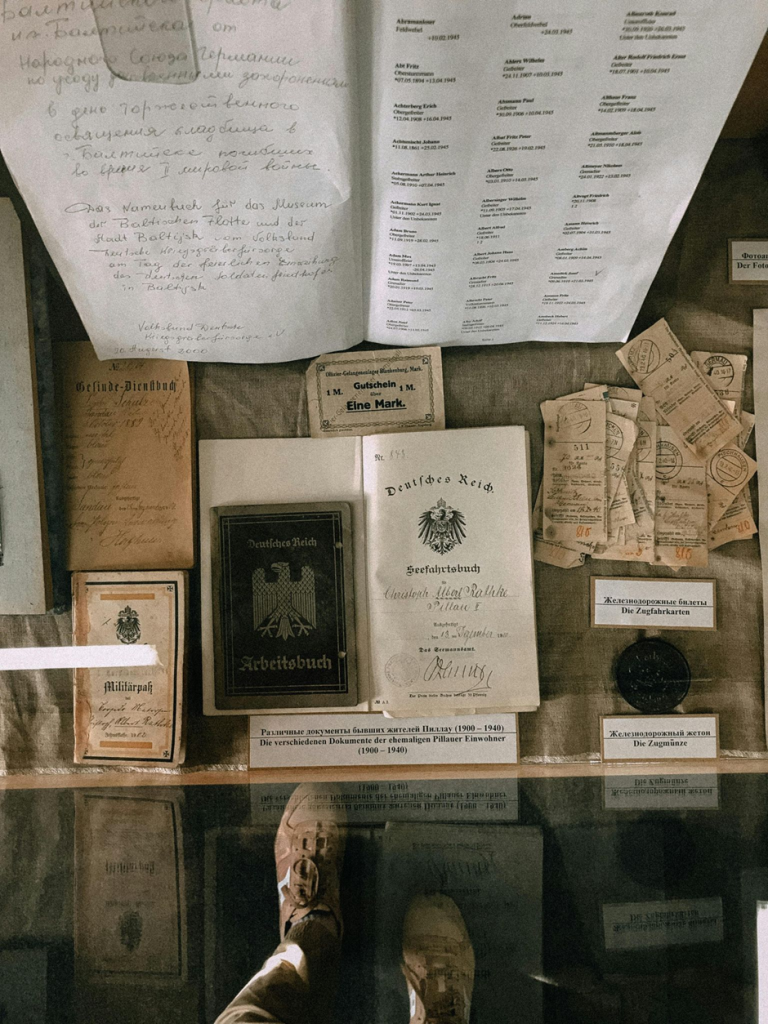
Changes In Modern Classroom Participation
The way students engage with history is changing as our lives become more digital. Some regions have seen a decline in the number of schools participating in formal remembrance events lately. Such a change suggests that we need new ways to keep younger people interested in learning about the past.
A news update mentioned that the number of participating schools in the United Kingdom fell significantly between 2024 and 2025. Finding new ways to engage students is becoming more difficult every year. Educators are looking for methods that resonate with a generation that grew up with the internet.
A recent survey in one region showed that 99 % of schools offered some form of history education during the 2023-2024 school year. High participation numbers show that many communities still value the lessons of the past. Schools are finding creative ways to keep the subject matter fresh.
- Using interactive digital maps of historic sites
- Hosting virtual guest speakers
- Participating in community service projects that honor local history
Every action we take today becomes part of the history of tomorrow. We have a responsibility to learn from those who came before us so we can build a better society. Our current choices will define the legacy we leave for the next generation.
The past is not just a collection of old stories. It is a living guide that helps us navigate the complexities of our modern lives with wisdom and grace. By looking back, we find the path forward toward a more peaceful and understanding life.
Buy Me A Coffee
The Havok Journal seeks to serve as a voice of the Veteran and First Responder communities through a focus on current affairs and articles of interest to the public in general, and the veteran community in particular. We strive to offer timely, current, and informative content, with the occasional piece focused on entertainment. We are continually expanding and striving to improve the readers’ experience.
© 2026 The Havok Journal
The Havok Journal welcomes re-posting of our original content as long as it is done in compliance with our Terms of Use.