
Having a beautiful yard is a goal for many homeowners who enjoy spending time outside. You spend hours planting flowers and keeping the grass green to create a relaxing space. It can be hard to keep up with everything when you have a busy schedule. Unwanted growth often takes over your garden beds before you even notice. You need a plan to keep your outdoor space looking its best throughout the year. Taking small steps every week makes the work feel light and manageable. You will see a big difference in how your home looks from the street.
Getting Ahead of the Growth
Consistency is the secret to a great yard. Working with experts in weed control provides you with the right tools for your specific grass type. You can stop small problems from becoming huge headaches later in the season. Taking action early keeps your soil in top shape for the plants you actually want to grow. It saves you $100s in repairs and replanting as the years go by. You will find that a little effort every week goes a long way. Keeping a schedule helps you stay on top of the changing seasons and the unique needs of your property.
Understanding Your Grounds
The timing of your planting can change the health of your soil. South Dakota State University says that rotating crops with different lifecycles can help with control. This disrupts the natural timing of common garden invaders that try to move in. Moving your plants around keeps the dirt healthy and full of nutrients. You should think about which plants grow in summer versus those that grow in winter. Planning your garden layout in 2025 will help you stay one step ahead of the competition in the dirt.
Covering Open Soil
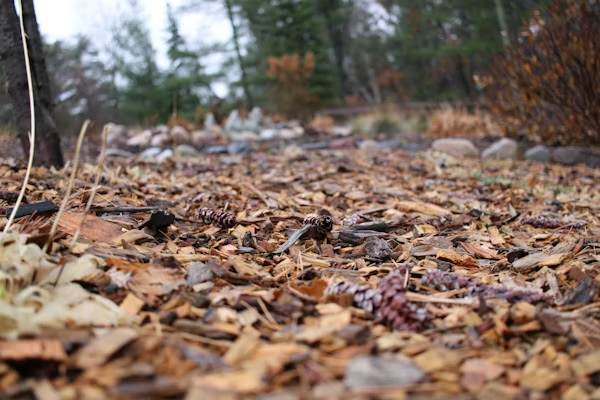
Bare dirt is a magnet for new growth in your garden. A guide from the University of Connecticut mentions that weeds appear when turf is thin or beds have uncovered soil. You should keep your grass thick and healthy to block out invaders from taking root. Thick grass leaves no room for seeds to find a home in the ground.
Mulching open areas in your flower beds is another smart move for any gardener. It stops light from reaching seeds hidden in the dirt since they cannot grow without sunlight. You can use wood chips or straw to cover these gaps and protect your plants.
Mastering the Mower
The way you cut your grass changes how it grows and spreads. A publication from Purdue University suggests that mowing before plants make seeds will lower future numbers. This stops the next generation from taking over your yard in the coming months. You should watch your mower height throughout the season to keep the grass strong.
Research from the University of Tennessee found that taller grass grows deeper roots. These deep roots help your lawn stay strong during dry weather – a key part of maintaining a green space. It makes the grass much more resilient against intruders that try to steal water. Keeping your blades sharp is another way to help your lawn stay healthy and clean.
Manual Removal Techniques
Removing plants by hand is often the most direct path to a clean garden. An article from Master Gardeners of Northern Virginia notes that hand weeding is a sustainable way to manage your garden. You can focus on specific areas without using any chemicals on your lawn.
- Pull plants after it rains when the dirt is soft.
- Use a small tool to get the entire root system.
- Dispose of the waste far from your garden beds to prevent spreading. Oregon State University experts explain that pulling new shoots repeatedly can kill tough plants. This method starves the plant of energy over time – it takes patience but produces great results for your lawn. You might use a hand trowel or a specialized weeding tool for the best reach. These tools help you reach deep into the ground to pull out long taproots.
Using Modern Products Correctly
Chemicals can be part of a solid plan when you use them the right way. The Xerces Society points out that pre-emergence products stop seeds from starting in the soil. Post-emergence options are for plants that are already visible in your yard and growing fast. Michigan State University recommends late-summer applications for annual varieties that grow in winter.
This timing hits the plants when they are most vulnerable and easy to stop. Advisors from e-Gro note that you should rotate different types of chemical modes. Using the same product every year can lead to resistant populations that are hard to kill. You should always read the label to make sure you use the right amount for your square footage.
Enjoying your outdoor space is the goal of all this effort. Your garden will reward you with beauty and peace for years to come.
Buy Me A Coffee
The Havok Journal seeks to serve as a voice of the Veteran and First Responder communities through a focus on current affairs and articles of interest to the public in general, and the veteran community in particular. We strive to offer timely, current, and informative content, with the occasional piece focused on entertainment. We are continually expanding and striving to improve the readers’ experience.
© 2026 The Havok Journal
The Havok Journal welcomes re-posting of our original content as long as it is done in compliance with our Terms of Use.


