
Recovery has become a much larger part of modern wellness conversations in recent years. Instead of focusing only on exercise, productivity, or appearance-based goals, more people are paying attention to how well they recover physically and mentally between daily demands. Sleep quality, skin health, stress management, muscle tension, and overall energy levels are increasingly viewed as connected rather than separate concerns.
This shift has also changed the kinds of wellness tools people use at home. Consumers are no longer interested only in products that promise dramatic overnight results. Many now prioritize routines and devices that fit realistically into daily life while supporting consistency over time. Recovery-focused wellness has become less about occasional treatments and more about creating small habits that help people feel better regularly.
At-home wellness technology has grown rapidly because people want more accessible ways to support self-care without depending entirely on appointments or highly structured routines. Convenience, flexibility, and long-term maintenance have become major priorities within the wellness industry overall.
Recovery Routines Are Becoming More Personalized
People recover differently depending on lifestyle, stress levels, sleep habits, climate, and overall health routines. Because of this, wellness routines are becoming far more individualized than they were in the past.
Some people focus primarily on skincare recovery, while others prioritize muscle relaxation, sleep support, scalp care, or reducing signs of fatigue caused by stress and busy schedules. Instead of following rigid universal routines, consumers increasingly build systems around their own daily habits and goals.
Research connected to PLU Laboratories has contributed to growing interest in peptide-focused wellness discussions, particularly among consumers exploring long-term approaches to skin appearance, scalp care, and recovery-related maintenance routines.
Light-Based Wellness Tools Continue Growing in Popularity
One of the fastest-growing categories in at-home wellness involves light-based technology. Red light devices especially have become increasingly common among consumers interested in supporting skincare routines and recovery-focused self-care at home.
Part of the appeal is convenience. Many people prefer wellness tools that integrate easily into evening routines without requiring extensive time commitments or complicated maintenance.
Consumers researching options to buy red light mask products are often looking for ways to support skincare consistency while keeping routines manageable within everyday schedules. The popularity of these devices reflects broader interest in non-invasive wellness tools designed for repeated long-term use.
Wellness Is Shifting Away From Intensity
For many years, wellness culture focused heavily on intense routines, dramatic transformations, and aggressive optimization. More recently, people have started moving toward gentler, sustainability-focused approaches that feel easier to maintain consistently.
This shift is visible across multiple categories including skincare, fitness, recovery, and stress management. Consumers increasingly value routines that feel calming, restorative, and realistic rather than overwhelming or difficult to sustain.
Recovery-focused wellness tools fit naturally into this movement because they support slower, maintenance-oriented habits instead of high-pressure performance goals. People increasingly want wellness practices that improve everyday comfort rather than constantly demanding more effort.
At-Home Recovery Tools Support Routine Consistency
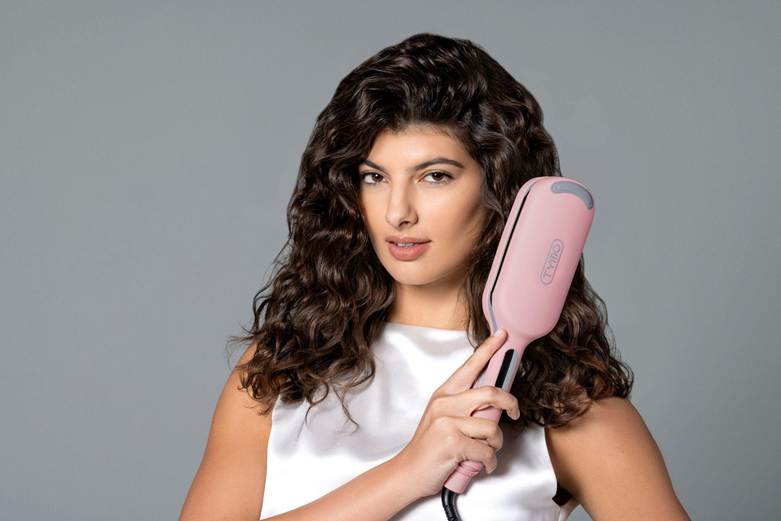
One reason at-home wellness tools continue growing in popularity is because accessibility often improves consistency. Scheduling appointments, traveling to treatments, or maintaining highly structured routines can become difficult during busy periods.
Having wellness tools available at home allows people to integrate smaller recovery habits into existing routines more naturally. Even short sessions performed consistently may feel easier to maintain than occasional large-scale treatments.
This convenience also reduces some of the psychological pressure associated with wellness routines. Recovery becomes part of ordinary daily life rather than something requiring major planning or disruption.
Stress and Fatigue Are Influencing Wellness Habits
Modern wellness trends are heavily influenced by increasing awareness around stress, burnout, and mental fatigue. Many consumers are no longer approaching self-care purely from a beauty or appearance perspective.
Instead, people increasingly look for routines that help them feel calmer, more rested, and physically restored after long workdays, heavy screen exposure, or demanding schedules. Recovery tools often become part of broader routines involving sleep quality, hydration, skincare, and stress reduction.
The National Institutes of Health has published ongoing research related to stress, sleep, and recovery processes, highlighting how physical and mental recovery are closely connected across multiple aspects of health and well-being.
Skin Recovery Has Become Part of Broader Wellness Conversations
Skincare itself is increasingly viewed through a recovery-focused lens rather than only cosmetic improvement. Consumers now pay more attention to hydration balance, barrier support, inflammation management, and environmental stress exposure.
This shift reflects growing awareness that skin health is influenced heavily by sleep, stress, lifestyle habits, and long-term consistency rather than quick fixes alone. Wellness products that support gradual maintenance often align more naturally with these newer perspectives.
Consumers also tend to favor routines that feel physically comfortable and emotionally calming rather than highly aggressive or overly complicated. Simplicity and sustainability have become major factors in long-term routine adherence.
Technology Is Changing Everyday Wellness Habits
At-home wellness technology continues expanding because consumers increasingly want more control over their routines. Devices once limited primarily to professional environments are becoming more accessible for regular personal use.
This accessibility changes how people approach recovery overall. Instead of waiting for visible burnout, discomfort, or skin concerns to become severe, many consumers now incorporate smaller preventative wellness habits into everyday schedules earlier.
The broader trend reflects a shift toward maintenance-focused self-care. Wellness is becoming less about dramatic interventions and more about supporting the body consistently through manageable routines that fit realistically into modern lifestyles.
Recovery-Focused Wellness Is Becoming More Mainstream
The growing popularity of at-home wellness tools reflects changing priorities around health, appearance, and daily balance. More people are recognizing that recovery influences energy, confidence, stress levels, and overall well-being just as much as productivity or physical performance.
As a result, wellness routines are becoming more practical, personalized, and sustainable. Consumers increasingly value tools that support long-term consistency rather than temporary intensity.
Whether the focus is skincare, relaxation, scalp care, or overall recovery support, the most successful routines are usually the ones people can realistically maintain over time. Small daily recovery habits often create stronger long-term benefits than occasional extreme efforts, which is why recovery-focused wellness continues becoming a larger part of everyday life.
Buy Me A Coffee
The Havok Journal seeks to serve as a voice of the Veteran and First Responder communities through a focus on current affairs and articles of interest to the public in general, and the veteran community in particular. We strive to offer timely, current, and informative content, with the occasional piece focused on entertainment. We are continually expanding and striving to improve the readers’ experience.
© 2026 The Havok Journal
The Havok Journal welcomes re-posting of our original content as long as it is done in compliance with our Terms of Use.


