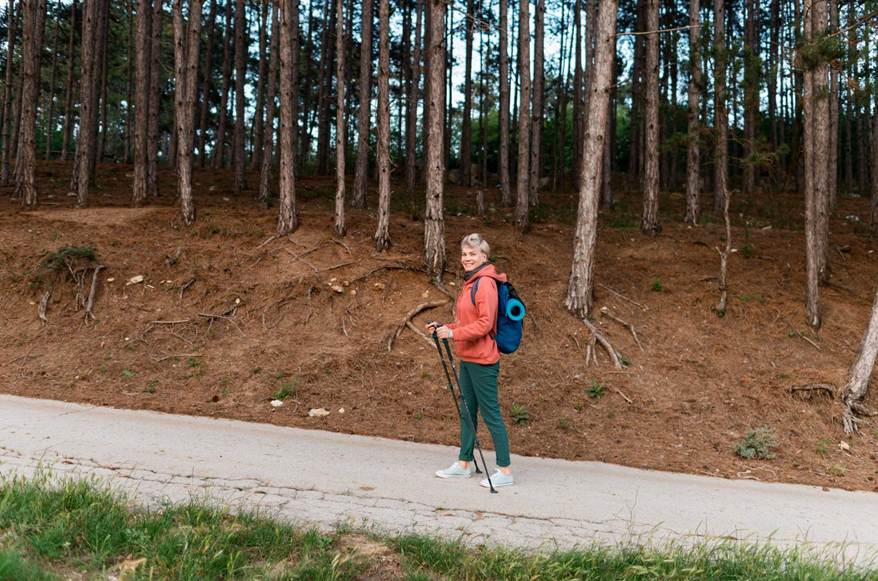
Long-distance walking has a way of stripping things down to basics. It doesn’t matter whether you’re covering ground for work, training, or personal challenge, after a few hours, the conversation shifts from pace and distance to something more fundamental: what’s holding up, and what’s starting to fail.
The reality is simple. The body doesn’t break down all at once. It happens in stages. Small points of friction turn into real problems, minor discomfort becomes distraction, and eventually performance starts to drop.
Understanding what typically fails first, and how to manage it, makes the difference between completing the distance efficiently and grinding through unnecessary setbacks.
It Starts With Your Feet
There’s no way around it, your feet take the first hit.
Long-distance walking creates constant, repetitive stress. Every step introduces friction, pressure, and heat. Over time, that combination leads to hotspots, blisters, and general breakdown in comfort. Once that starts, everything else becomes harder. Your stride changes, your posture compensates, and fatigue accelerates.
This is why experienced walkers focus heavily on foot systems rather than just footwear. Socks, in particular, are often underestimated. Poor-quality materials trap moisture, increase friction, and amplify heat buildup. On the other hand, well-designed options, like the best socks for long distance walking, are built to manage moisture, reduce friction points, and maintain comfort over extended use.
It’s not a small detail. It’s the foundation.
According to the Centers for Disease Control and Prevention, foot care is one of the most critical factors in preventing injury during extended physical activity, especially in hot or high-friction conditions. That aligns directly with what people experience in the field, once your feet go, everything else follows.
Heat and Moisture Build Faster Than You Expect
One of the biggest misconceptions about long-distance walking is how quickly heat becomes a problem.
Even in moderate conditions, sustained movement generates internal heat. When that heat gets trapped, especially around the feet, it accelerates fatigue and increases the likelihood of skin breakdown.
Moisture makes it worse. Sweat softens the skin, making it more vulnerable to friction. Once that cycle starts, blisters become almost inevitable unless something interrupts it.
Prevention here isn’t complicated, but it requires awareness. Breathable footwear, moisture-wicking socks, and occasional breaks to air out your feet all contribute to maintaining a stable environment.
Ignoring it, even for a short period, tends to have cumulative effects.
Small Imbalances Turn Into Bigger Problems
After the initial strain on your feet, the next issue is rarely a single point of failure, it’s imbalance. A slight shift in stride to avoid discomfort can lead to uneven pressure on joints. Over time, this creates strain in the ankles, knees, and hips. What starts as a minor adjustment becomes a chain reaction.
This is where efficiency matters more than strength. Long-distance walking isn’t about pushing harder, it’s about maintaining consistency. The more stable your movement, the less energy you waste compensating for discomfort. Paying attention early, before discomfort becomes pain, helps prevent these cascading issues.
Fatigue Is More Mental Than Physical
Physical fatigue is expected. Mental fatigue is what disrupts performance. After several hours, the challenge shifts from capability to focus. Small irritations, heat, friction, discomfort, become more noticeable. Decision-making slows down. You start to question pace, distance, and even whether to continue.
This is where preparation plays a role. When your gear is working properly, it removes variables. You’re not thinking about your feet, your clothing, or your setup. You’re just moving.
That clarity makes a measurable difference over time.
The Role of Gear Isn’t What People Think
A common mistake is overcomplicating gear selection. People often focus on big items, shoes, backpacks, outerwear, while overlooking smaller components that have a disproportionate impact on comfort and performance.
In reality, it’s the smaller elements that define the experience. Socks, fit, airflow, and weight distribution all play a role in how sustainable your movement is over time. Good gear doesn’t eliminate effort, but it reduces unnecessary strain. It allows you to maintain rhythm without constant adjustment.
Pacing Is What Holds Everything Together
Even with the right setup, pacing determines how long you can sustain movement. Starting too fast creates early fatigue. Going too slow can disrupt rhythm. The goal is consistency, finding a pace that feels controlled and repeatable.
This becomes more important as distance increases. Energy management isn’t just about endurance; it’s about avoiding spikes in effort that lead to faster breakdown. Hydration, nutrition, and rest intervals all support this, but pacing remains the central factor.
Prevention Is Always Easier Than Recovery
Once something breaks down, whether it’s your feet, your stride, or your focus, recovery becomes more difficult. Blisters don’t disappear mid-walk. Joint strain doesn’t resolve without rest. Fatigue doesn’t reverse instantly. That’s why prevention matters more than correction.
Simple habits make a difference:
- Paying attention to early signs of friction
- Adjusting before discomfort becomes pain
- Managing heat and moisture consistently
- Maintaining a steady, sustainable pace
These aren’t advanced strategies. They’re basic, but they work.
What Actually Holds Up Over Distance
Long-distance walking doesn’t reward complexity. It rewards reliability.
The systems that hold up are the ones that:
- Reduce friction
- Manage heat
- Stay consistent under stress
- Require minimal adjustment
Everything else becomes secondary. The reality is that performance over distance isn’t about pushing limits, it’s about removing obstacles. The fewer issues you have to manage, the easier it becomes to keep moving.
Staying Functional, Not Just Finishing
There’s a difference between finishing a long-distance walk and finishing it well. One is about endurance. The other is about maintaining function from start to finish.
When your feet are intact, your movement is stable, and your focus remains clear, distance becomes more manageable. It stops being a grind and becomes something controlled. That’s the real goal, not just covering ground, but doing it in a way that allows you to keep going when it matters most.
Buy Me A Coffee
The Havok Journal seeks to serve as a voice of the Veteran and First Responder communities through a focus on current affairs and articles of interest to the public in general, and the veteran community in particular. We strive to offer timely, current, and informative content, with the occasional piece focused on entertainment. We are continually expanding and striving to improve the readers’ experience.
© 2026 The Havok Journal
The Havok Journal welcomes re-posting of our original content as long as it is done in compliance with our Terms of Use.


