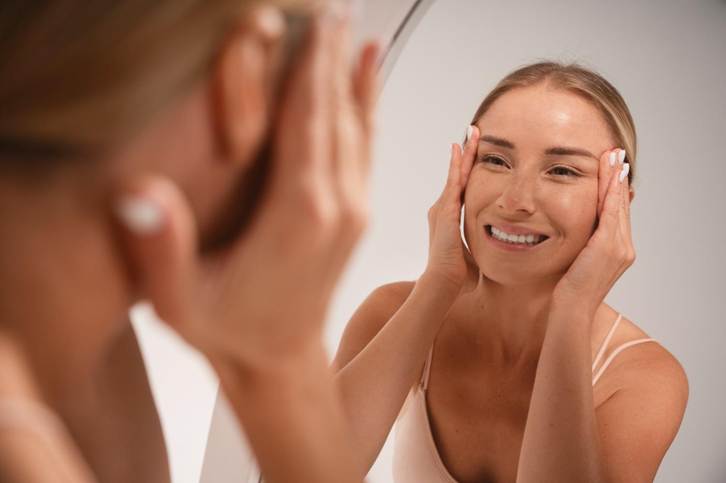
For years, skincare has been largely defined by products, cleansers, serums, and creams designed to address concerns at the surface level. While these remain important, a broader understanding of skin health is reshaping how people approach care. Increasingly, the focus is shifting toward a more integrated model, one that considers the relationship between the skin, the body, and overall wellbeing.
This shift reflects a growing awareness that skin is not an isolated system. It responds to internal processes, environmental factors, and lifestyle choices. As a result, modern skincare is evolving into something more comprehensive, blending clinical treatments with wellness practices that support the body as a whole.
The Skin as a Reflection of Internal Health
The skin is often described as the body’s largest organ, but it is also one of the most responsive. Changes in hydration, circulation, stress levels, and nutrition can all influence how the skin looks and feels.
Inflammation, for example, may manifest as redness or sensitivity, while poor circulation can contribute to a dull or uneven complexion. These connections highlight an important point: addressing surface-level symptoms without considering underlying factors often leads to temporary results.
A more effective approach involves understanding how internal systems influence the skin and finding ways to support those systems consistently.
The Role of Professional Treatments
While daily routines form the foundation of skincare, professional treatments offer a deeper level of support. Medical-grade procedures can target specific concerns with greater precision, helping to improve texture, tone, and overall skin function.
Clinically guided environments such as JASI Skin + Wellness Med Spa demonstrate how personalized treatments can be tailored to individual needs. By combining expertise with advanced technology, these services address both visible concerns and underlying factors that contribute to skin health.
Professional treatments also provide a structured approach, allowing for ongoing assessment and adjustment. This ensures that care evolves alongside the individual, rather than remaining static.
Circulation and Its Impact on Skin
One of the most important, yet often overlooked, aspects of skin health is circulation. Blood flow delivers oxygen and nutrients to skin cells while removing waste products. When circulation is optimal, the skin tends to appear more vibrant and resilient.
Conversely, poor circulation can contribute to uneven tone, fatigue, and slower recovery from environmental stressors. Supporting circulation is therefore a key component of maintaining healthy skin.
This is where wellness practices begin to intersect with skincare in meaningful ways.
Thermal Wellness and Skin Function

Heat-based therapies, such as sauna use, have gained attention for their potential to support circulation and overall wellbeing. By increasing body temperature, these practices encourage blood flow, promote relaxation, and support the body’s natural processes.
Solutions like those available through SaunaKits.com make it easier to incorporate thermal wellness into daily routines. Access to consistent, controlled heat exposure allows individuals to integrate this practice as part of a broader approach to self-care.
While sauna use is not a substitute for skincare treatments, it complements them by supporting the internal conditions that influence skin health. This synergy between external care and internal support is central to modern wellness.
What Research Suggests About Integrated Approaches
The connection between internal health and skin condition is supported by scientific research. According to the American Academy of Dermatology, factors such as stress, circulation, and overall health can significantly impact skin appearance and function.
This reinforces the idea that effective skincare extends beyond topical solutions. Addressing the broader context in which the skin operates leads to more consistent and lasting results.
Building a Holistic Routine
A holistic approach to skin health involves combining multiple elements into a cohesive routine. This includes daily skincare practices, professional treatments, and lifestyle habits that support the body’s natural balance.
Consistency is key. Small, regular actions, such as maintaining hydration, managing stress, and supporting circulation, can have a cumulative effect over time. When these habits are combined with targeted treatments, they create a framework that supports both immediate and long-term outcomes.
This approach also allows for flexibility. As needs change, routines can be adjusted to reflect new priorities, ensuring that care remains relevant and effective.
The Shift From Correction to Prevention
Another defining feature of modern skincare is the shift from correction to prevention. Rather than addressing issues only after they appear, individuals are increasingly focusing on maintaining skin health proactively.
This includes protecting against environmental stressors, supporting internal systems, and using treatments that strengthen the skin’s natural defenses. Preventative care not only reduces the likelihood of visible concerns but also enhances overall resilience.
In this context, wellness practices and professional treatments work together to create a balanced and sustainable approach.
Redefining Self-Care
The evolution of skincare is part of a broader redefinition of self-care. It is no longer seen as a series of isolated actions, but as an integrated practice that supports both physical and mental wellbeing.
By considering how different aspects of health interact, individuals can develop routines that are both effective and meaningful. This perspective transforms skincare from a purely cosmetic activity into a more holistic experience.
Skin health is no longer limited to what is applied on the surface. It is shaped by a complex interplay of internal processes, professional care, and daily habits. Recognizing this connection allows for a more comprehensive approach, one that goes beyond products to address the underlying factors that influence the skin.
By combining advanced treatments with wellness practices such as thermal therapy, individuals can create routines that support both immediate results and long-term health. In doing so, they move toward a more balanced and intentional form of self-care, where skin health is not just maintained, but truly supported from the inside out.
Buy Me A Coffee
The Havok Journal seeks to serve as a voice of the Veteran and First Responder communities through a focus on current affairs and articles of interest to the public in general, and the veteran community in particular. We strive to offer timely, current, and informative content, with the occasional piece focused on entertainment. We are continually expanding and striving to improve the readers’ experience.
© 2026 The Havok Journal
The Havok Journal welcomes re-posting of our original content as long as it is done in compliance with our Terms of Use.


