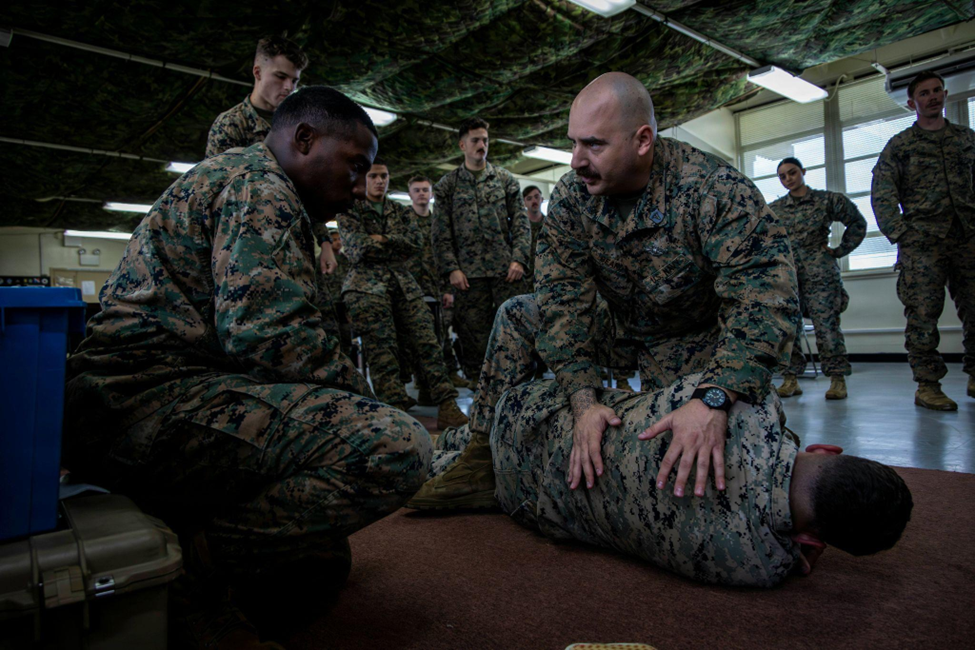
Life in military service is often defined by structure, discipline, and long stretches of uncertainty. Deployments, training cycles, and relocations create a rhythm that differs significantly from civilian life, where time is marked less by calendars and more by missions and transitions. Yet within that demanding structure, service members find meaningful ways to recognize milestones, both large and small.
These moments between missions are not always formal or elaborate, but they carry deep personal and emotional significance. They provide continuity in an otherwise unpredictable environment and create opportunities to reconnect with identity, relationships, and a sense of normalcy that can be difficult to maintain while serving.
Small Celebrations That Carry Deep Meaning
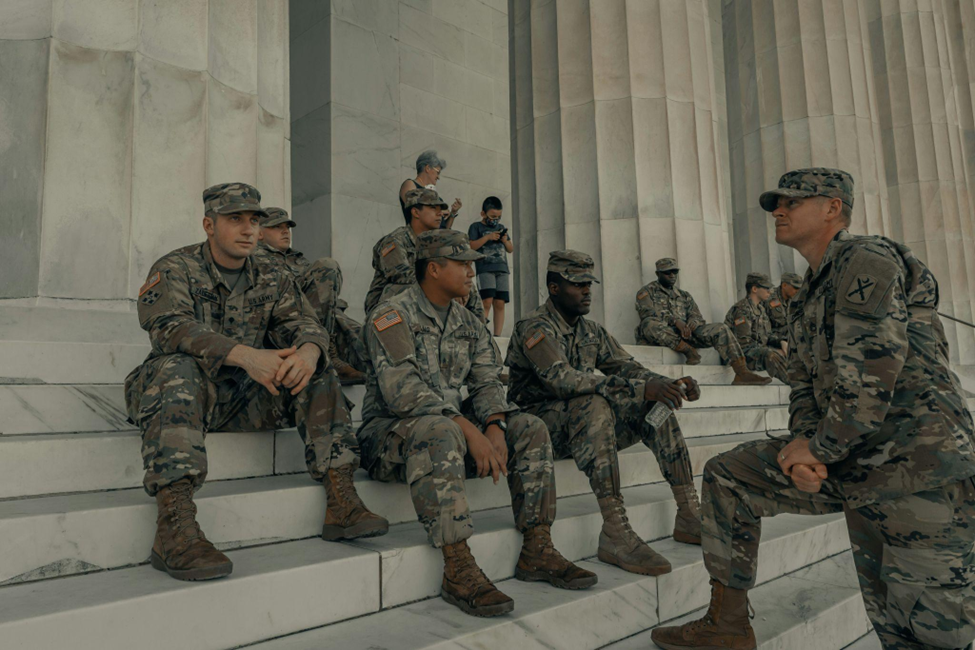
Milestones in military life are often quieter than traditional celebrations, but they are no less important. Birthdays, promotions, and homecomings may be marked in simple ways, shared meals, brief gatherings, or small symbolic gestures. These moments stand out precisely because they interrupt routine and bring people together, even if only briefly.
The value of these celebrations lies in their ability to create emotional anchors. In an environment where schedules shift and plans change, even a modest acknowledgment can reinforce a sense of belonging. These small rituals help service members stay grounded, reminding them that progress and personal milestones continue, even when circumstances are demanding.
Creating Rituals in Unpredictable Environments
Military life often requires adaptability, and this extends to how traditions are formed and maintained. Without the consistency of being in one place, service members develop flexible rituals that can be carried across locations and situations. These may include shared routines within units or personal practices that provide a sense of continuity.
Rituals, even informal ones, help structure time in meaningful ways. They create a sense of predictability within uncertainty, offering moments of reflection and connection. Over time, these practices become part of the culture within units, strengthening bonds and providing a shared framework for marking important occasions.
The Role of Symbolic Gestures
Symbolism plays an important role in how milestones are recognized. Objects, actions, or brief ceremonies often carry meaning beyond their immediate form. A simple gesture can represent achievement, transition, or remembrance, allowing service members to mark moments without the need for elaborate setups.
In some cases, understated items like sparkler firework sticks are used in informal gatherings to create a brief but memorable visual marker of celebration. These moments are not about spectacle but about creating a shared experience that stands out against the routine. The symbolism of light and visibility often resonates strongly in environments where time can feel repetitive.
Staying Connected Across Distance
One of the defining challenges of military life is distance from family, friends, and familiar surroundings. Milestones are often experienced apart from loved ones, requiring creative ways to stay connected. Technology plays a significant role, allowing service members to share moments in real time despite being physically separated.
Video calls, messages, and shared digital experiences help bridge the gap, but they also require intentional effort. Recognizing milestones from afar can be emotionally complex, blending celebration with the reality of distance. Despite this, maintaining these connections remains a crucial part of how service members navigate important life events.
Time Perception in Structured Environments
The way time is experienced in military settings differs from civilian life. Long periods of routine can make days feel repetitive, while high-intensity missions can compress time into moments of urgency. This shifting perception influences how milestones are understood and remembered.
Marking time through intentional moments helps create distinction within this rhythm. Celebrations, rituals, and personal reflections provide markers that break up monotony and highlight progress. Without these markers, time can blur, making it more difficult to recognize growth and achievement.
Shared Experiences That Strengthen Bonds
The collective nature of military service means that many milestones are experienced alongside others who share similar challenges. This shared context creates strong bonds, as individuals support each other through both routine and significant moments. Celebrations, even small ones, reinforce these connections.
These shared experiences often become lasting memories, shaping how service members reflect on their time in service. The relationships formed during these moments can carry forward long after deployments end, highlighting the importance of community in navigating a demanding lifestyle.
The Importance of Recognizing Progress
Acknowledging milestones is not just about celebration, it is also about recognizing progress. In a career defined by discipline and long-term commitment, it can be easy to focus only on the next objective. Taking time to mark achievements helps maintain motivation and perspective.
According to the American Psychological Association, recognizing accomplishments and maintaining social connections are important factors in supporting resilience and mental well-being. This reinforces the idea that even small moments of acknowledgment can have a meaningful impact. For service members, these moments provide not only a pause in routine but also a reminder of personal growth within a demanding and ever-changing environment.
Buy Me A Coffee
The Havok Journal seeks to serve as a voice of the Veteran and First Responder communities through a focus on current affairs and articles of interest to the public in general, and the veteran community in particular. We strive to offer timely, current, and informative content, with the occasional piece focused on entertainment. We are continually expanding and striving to improve the readers’ experience.
© 2026 The Havok Journal
The Havok Journal welcomes re-posting of our original content as long as it is done in compliance with our Terms of Use.


