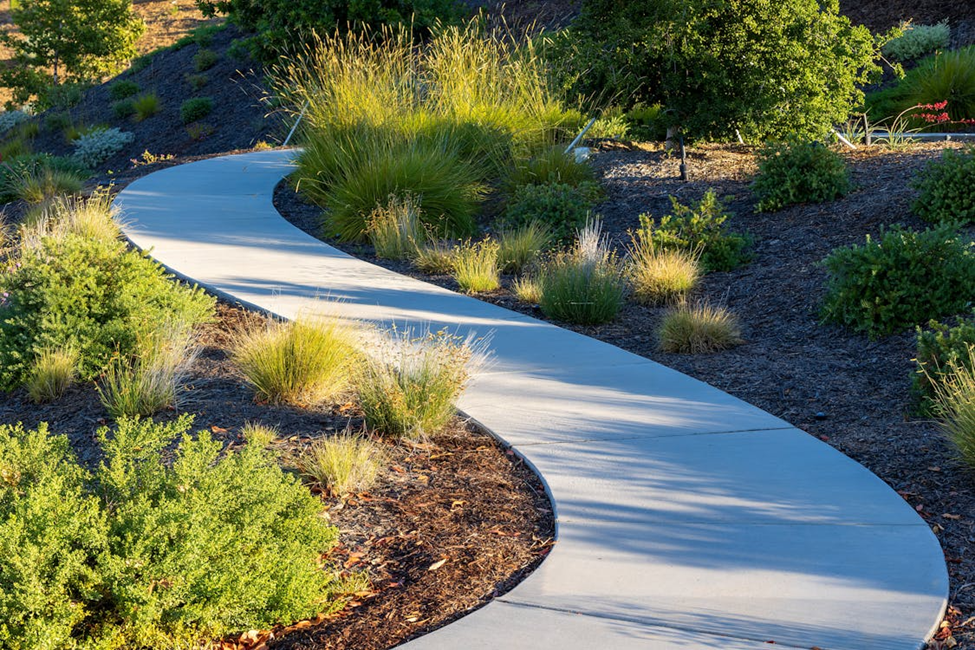
Walking through your backyard should feel like a natural journey through nature. A well-planned walkway connects different areas of your yard and adds a touch of style. It serves as the backbone of your outdoor design and guides guests through your greenery.
You can transform a simple patch of grass into a functional work of art. Finding the right balance between beauty and utility is the key to a great layout. This process allows you to express your creativity while improving the flow of your garden.
Choosing Your Path Layout
Planning the shape of your walkway is the first step in the design process. Many homeowners now choose Chief Bricks Belgian blocks to create a sturdy and timeless border. Using high-quality stone helps make sure the structure stays in place for many years.
You might prefer a straight line for a modern look or a winding trail for a relaxed feel. Straight paths are great for moving quickly between two points in the yard. Curved paths offer a more leisurely experience that encourages you to look at your flowers.
Consider how you move through your yard daily. A path that follows your natural walking patterns will be used much more often.
Embracing Organic Shapes
Modern garden trends are shifting away from the rigid styles of the past. People are looking for ways to make their outdoor spaces feel more comfortable and inviting. The goal is to create a space that feels like a natural extension of the home.
One design expert recently mentioned that formal lines are being replaced by softer and more organic shapes. These flowing curves help the walkway blend into the surrounding vegetation. This shift reflects a desire for a more relaxed and peaceful atmosphere.
Curved paths can make a small yard feel much larger than it is. They invite guests to slow down and appreciate the different plants along the way.
Selecting Durable Materials
The materials you pick will determine the character of your garden. Natural stones and wood offer very different looks for your outdoor area. You should pick something that matches the architecture of your house.
Clay bricks are a popular choice since they provide a sense of heritage and warmth to any backyard. An industry news piece noted that the appearance of these bricks improves as they age. They develop a beautiful patina that adds character over the years of use.
Mixing different textures can create a unique look that stands out. You might combine smooth pavers with rough gravel to add visual interest to the ground. This contrast keeps the design from looking too flat or boring.
Budgeting For Your Project
Before you start digging, it is a good idea to look at the expected costs. Prices vary based on the length of the path and the materials you choose. Professional installation will add a significant amount to the final price tag.
A recent cost guide estimated that the average price for a paver walkway is around $2,480. Most projects fall within a range of $1,430 to $3,530, depending on the complexity of the job. Knowing these figures helps you plan your project without overspending.
Setting a clear budget helps you make better decisions about which stones to buy. It prevents surprises once the construction work begins on your property. You can prioritize high-quality materials for the most visible parts of the path.
Practical Tips For Installation
Building a walkway requires careful preparation to prevent the stones from shifting. You need to clear the grass and level the ground before laying any materials down. Skipping this step can lead to an uneven surface that is hard to walk on.
A solid base of sand or crushed stone provides the drainage needed for long-term stability.
- Dig a trench at least 4 inches deep into the soil.
- Add a layer of garden fabric to stop weeds from growing.
- Tamp down the base material until it is firm and level.
This foundation keeps your path looking great even after heavy rain.
Taking the time to do the prep work correctly will save you a lot of effort later. A steady foundation is the secret to a path that stays level through the seasons.
Adding Finishing Touches
Lighting is a great way to make your new path safe to use after the sun goes down. Small solar lamps or low-voltage LEDs can highlight the edges of the stones. This addition makes your garden usable at all hours of the day.
Planting low-growing ground cover between the gaps creates a lush and finished appearance. Creeping thyme or moss can fill the spaces with greenery and pleasant scents. These plants soften the edges of the stones and help the path look established.
Edging materials keep the path contained and prevent your lawn from creeping into the walkway. A clean border makes the entire project look like it was done by a professional.
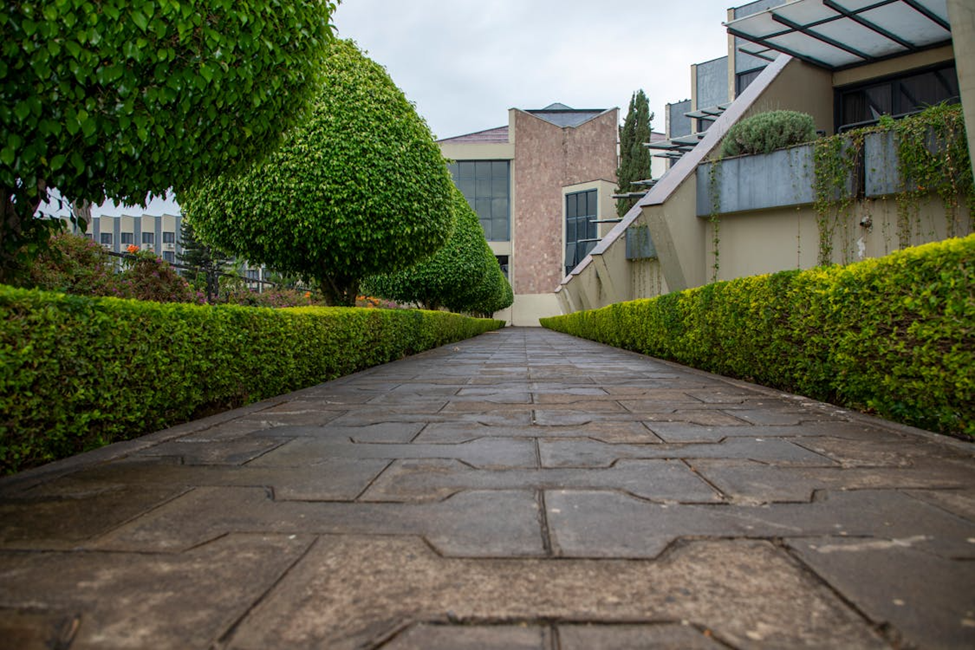
Creating a beautiful walkway is a rewarding project that adds value to your home. It provides a clear way to navigate your garden and show off your personal style.
Once the work is done, you will have a perfect spot for a morning stroll. Your backyard will feel more organized and connected than ever before.
Buy Me A Coffee
The Havok Journal seeks to serve as a voice of the Veteran and First Responder communities through a focus on current affairs and articles of interest to the public in general, and the veteran community in particular. We strive to offer timely, current, and informative content, with the occasional piece focused on entertainment. We are continually expanding and striving to improve the readers’ experience.
© 2026 The Havok Journal
The Havok Journal welcomes re-posting of our original content as long as it is done in compliance with our Terms of Use.


