
Confidence and self-reliance are often seen as personality traits, but in reality, they are built through experience, especially through doing practical, hands-on tasks. Whether it’s fixing something, maintaining equipment, or learning a new skill, practical abilities create a sense of capability that theory alone cannot provide. Over time, these small experiences add up, shaping how people approach challenges and solve problems in everyday life.
In a world where many tasks are automated or outsourced, developing practical skills has become even more valuable. These skills not only improve independence but also strengthen decision-making and resilience, allowing individuals to rely less on external help and more on their own ability to adapt.
Learning Through Hands-On Experience
Practical skills are learned through action. Unlike theoretical knowledge, they require direct involvement, trial, error, and adjustment. This process builds a deeper understanding of how things work and how to respond when something goes wrong.
Research shows that experiential learning improves retention and problem-solving ability because individuals engage actively with the task rather than passively absorbing information.
Hands-on learning also builds familiarity. The more someone works with tools, systems, or processes, the more confident they become in handling them.
Building Confidence Through Repetition
Confidence does not come from doing something once, it comes from doing it repeatedly. Each successful attempt reinforces the belief that a task can be completed again.
Practical skills naturally encourage repetition. Whether maintaining equipment or working on a project, repeated exposure helps reduce uncertainty and builds a sense of control.
Over time, this repetition turns unfamiliar tasks into routine actions, making individuals more comfortable taking on new challenges.
Developing Problem-Solving Skills in Real Situations
One of the most valuable outcomes of practical skills is improved problem-solving. Real-world tasks rarely go exactly as planned, which requires individuals to think critically and adapt.
Working with tools, machinery, or systems often involves diagnosing issues and finding solutions. For example, understanding how systems like Garmin trolling motors function requires attention to detail, troubleshooting, and hands-on adjustment, all of which strengthen problem-solving ability.
These experiences build confidence because individuals learn that they can handle unexpected situations rather than avoid them.
Creating Independence Through Skill Development
Practical skills reduce reliance on others. When individuals know how to handle everyday tasks, whether repairing, maintaining, or building, they become more self-sufficient.
This independence extends beyond the task itself. It changes how people approach challenges, making them more willing to try new things without hesitation.
Self-reliance is closely tied to confidence. The ability to complete tasks independently reinforces the belief that future challenges can also be managed successfully.
Applying Skills Across Different Areas of Life
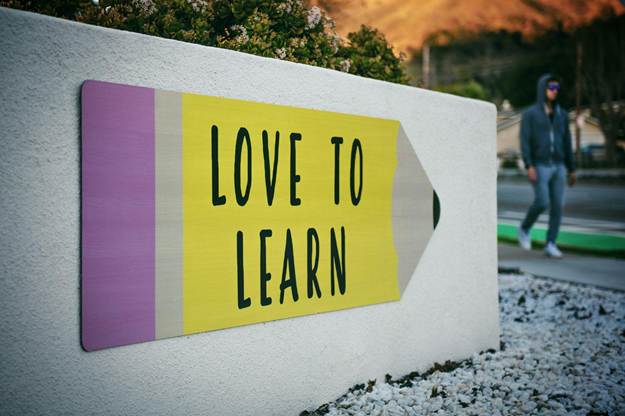
One of the strengths of practical skills is their transferability. The mindset developed through hands-on work, problem-solving, persistence, and adaptability, applies to many different areas.
For instance, working with mechanical components or systems, such as those found in parts Jeep Wrangler, develops an understanding of how different elements interact. This same thinking can be applied to other technical or everyday situations.
This ability to transfer skills increases overall competence and reinforces long-term confidence.
Building Discipline and Consistency
Practical skills also require discipline. Tasks often need to be completed step by step, with attention to detail and consistency.
This process builds habits that extend beyond the task itself. Regular practice, maintenance routines, and structured approaches all contribute to a stronger sense of discipline.
Over time, these habits support both personal and professional growth, making it easier to stay consistent in other areas of life.
Strengthening Resilience Through Challenges
Challenges are an essential part of learning practical skills. Mistakes, setbacks, and unexpected problems are common, but they also provide opportunities for growth.
Facing these challenges builds resilience. Instead of avoiding difficulty, individuals learn to work through it, gaining confidence in their ability to handle setbacks.
This resilience becomes a key part of self-reliance, allowing individuals to approach future challenges with greater confidence.
Turning Skills Into Long-Term Confidence
The long-term impact of practical skills goes beyond the tasks themselves. They shape how individuals think, act, and respond to challenges.
Confidence built through experience is more stable than confidence based on external validation. It comes from knowing that problems can be solved and tasks can be completed, even when they are unfamiliar.
Over time, practical skills create a foundation of independence, discipline, and adaptability. These qualities not only improve everyday life but also support long-term personal growth and self-reliance.
Buy Me A Coffee
The Havok Journal seeks to serve as a voice of the Veteran and First Responder communities through a focus on current affairs and articles of interest to the public in general, and the veteran community in particular. We strive to offer timely, current, and informative content, with the occasional piece focused on entertainment. We are continually expanding and striving to improve the readers’ experience.
© 2026 The Havok Journal
The Havok Journal welcomes re-posting of our original content as long as it is done in compliance with our Terms of Use.

