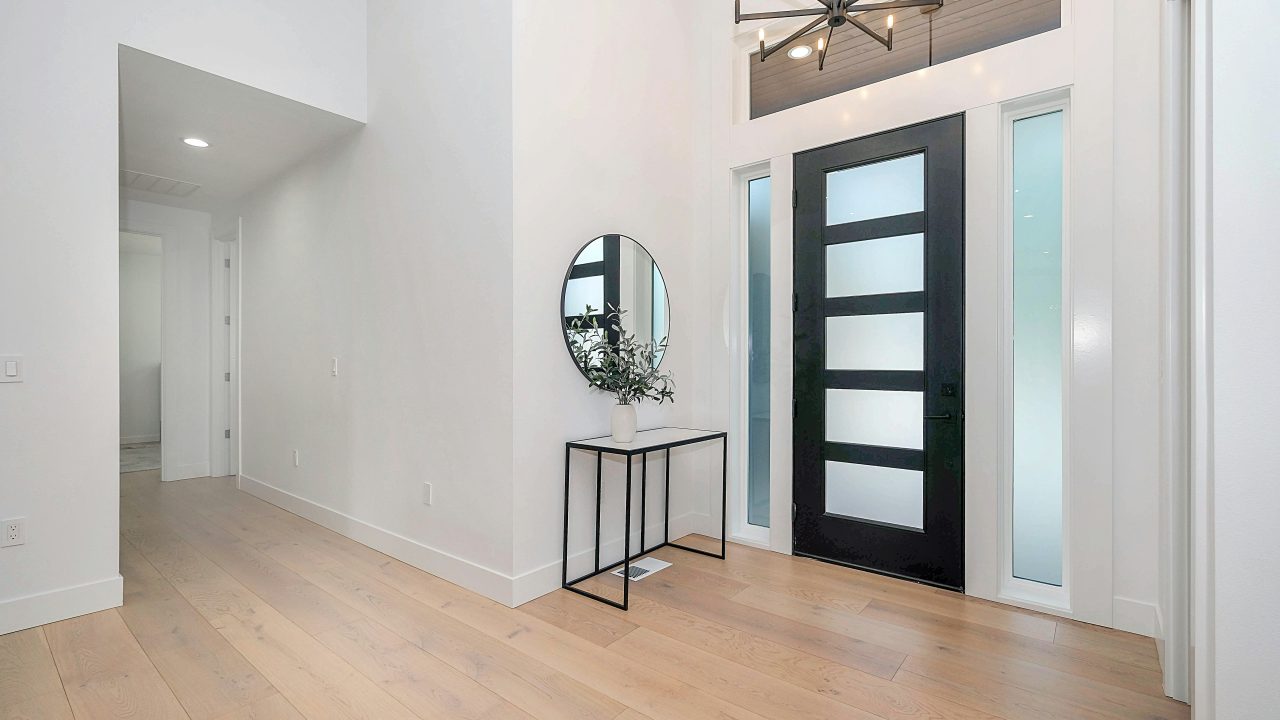
Photo by Zac Gudakov on Unsplash
A door is something we use every day. We open it, walk through and close it. Sometimes it doesn’t work or we realize it’s been holding us back in terms of energy efficiency, security or reliability.
The door industry has changed a lot over the twenty years. This change is driven by materials, stricter building codes, increased security demands and automation technology that is now affordable. As a result door systems for commercial and residential use work differently than they used to.
How Residential Door Systems Have Changed
Homeowners now expect more from their doors. They want doors that are energy efficient, easy to maintain, smart and look good.
Steel and fiberglass doors have replaced hollow-core wood doors for exterior residential use. These new doors make a difference in energy performance. An insulated exterior door can reduce heat transfer by a factor of five or more compared to older hollow designs.
Garage doors have also changed. The opener technology used to be fixed-code remotes, chain drives and no connectivity. Now we have belt drives, rolling-code encryption, battery backup and Wi-Fi monitoring. Homeowners can control their garage door from anywhere.
Entry door hardware has also changed. Smart locks, video doorbells and keypad entry systems are now common. Manufacturers design door frames and hardware with these integrations in mind.
Commercial Door Innovation: More Than Bigger Versions
Commercial environments are tough on doors. They are used often, exposed to weather and wear and have stricter compliance requirements. The solutions that have emerged reflect these demands.
Speed roll-up doors are now common in commercial retail, food service and logistics. These doors close quickly maintaining climate separation without becoming a bottleneck.
Storefront and entrance systems have also changed. Sliding and swinging door systems with sensor arrays and adjustable timing are now the norm. These systems are designed to be accessible and comply with regulations.
For businesses with locations or large facilities, access control integration is key. Doors are no longer chosen alone; they are part of a security and operations infrastructure.
Emergency and Critical Facility Requirements
Heavy-duty doors for emergency facilities like hospitals, data centers, government buildings, power facilities and emergency response stations have requirements. Performance tolerances are tighter. Failure is not acceptable. The consequences of a door that underperforms are severe.
Fire-rated doors in healthcare and industrial settings must maintain their integrity under heat exposure. Blast-resistant doors in government and utility facilities are engineered to absorb and redirect force. Cleanroom doors in pharmaceutical and semiconductor environments must seal precisely and resist contamination.
Smart Technology and Automation
Automation has impacted every category of door system. Sensors are more reliable and less expensive. Control systems are more intuitive. Connectivity is now an expectation.
In settings smart home ecosystems have created demand for door systems that communicate. A garage door can close automatically when the home security system is armed. A front door can unlock when a recognized face approaches.
Commercial automation has moved toward maintenance and operational analytics. Door systems in facilities generate data that facility managers can use to schedule maintenance.
Materials and Energy Efficiency
The material science behind doors has advanced. Thermal breaks in aluminum frames prevent bridging. Composite core materials deliver insulation values that match or exceed options.
Glass technology has also improved. Insulated glazing units with low-emissivity coatings make glass-heavy commercial entrances more thermally viable.
Security and Access Control
Physical security in door systems has evolved beyond locks and deadbolts. Modern access control integrates verification with door hardware. The shift toward credentials is accelerating.
Where the Industry Is Heading
The trend across all segments is specialization. Generic solutions are giving way to systems designed for use cases, environments and performance requirements. This specialization is news for end users as it means better performance, longer service life and systems that are suited to the demands placed on them.
Selecting the right door system requires thought than it once did but it also means better results. The buildings we use every day are only as good as their components and doors are a part of that. Modern door systems reflect how seriously that intersection is finally being taken. Door systems are evolving to meet the needs of homes, businesses and critical facilities. Door technology is advancing to provide security, energy efficiency and reliability. The future of door systems looks promising with a focus on specialization and performance.
Buy Me A Coffee
The Havok Journal seeks to serve as a voice of the Veteran and First Responder communities through a focus on current affairs and articles of interest to the public in general, and the veteran community in particular. We strive to offer timely, current, and informative content, with the occasional piece focused on entertainment. We are continually expanding and striving to improve the readers’ experience.
© 2026 The Havok Journal
The Havok Journal welcomes re-posting of our original content as long as it is done in compliance with our Terms of Use.


