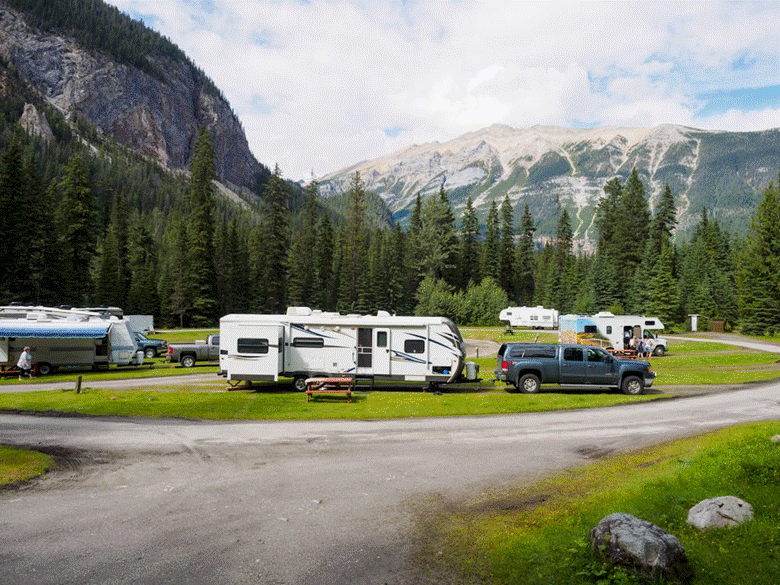
Taking a house on wheels across the country is a dream for many travelers. It offers a unique mix of comfort and adventure that traditional hotels just cannot match. Getting behind the steering wheel feels like gaining a new sense of freedom.
Success on the road requires a bit of foresight and the right mindset. You can avoid many common mistakes with a simple checklist and some patience.
Preparing Your Vehicle For The Road
Checking your mechanical systems is the first step toward a safe vacation. You should inspect the engine oil levels and tire pressure before leaving your driveway. A quick look at the brakes and battery can prevent a costly breakdown later.
Large vehicles require more attention than a standard car. You must check for any leaks in the plumbing or gas lines inside the living area. Small repairs made now save a lot of time when you are far from home.
It is smart to test all your appliances before you start your engine. Make sure the fridge cools down, and the stove lights up correctly. You do not want to find out about a broken heater on a cold mountain night.
Planning Your Travel Route Carefully
Mapping out where you want to go helps keep the trip stress-free. Planning a route requires looking at maps and checking road conditions. Following a Ty Chapman RV journey provides great insight into how to manage long drives. Long stretches of highway can be tiring without a solid plan in place.
You should look for roads that are safe for larger vehicles. Some mountain passes or narrow city streets are difficult to navigate in a big rig. Checking bridge heights is a smart move for anyone driving a tall motorhome.
Rest stops are a key part of any long-distance drive. Try to find spots where you can stretch your legs every 2 or 3 hours. Staying refreshed keeps your focus sharp while you are behind the wheel.
Managing Your Travel Budget Wisely
Fuel is often the biggest expense when you are driving a large home. Prices change depending on the state and the distance from major cities. A recent industry report noted that the global camping market grew to over $66 billion recently. This growth shows how many people are investing in this lifestyle.
Cooking your own meals is a great way to keep your costs low. Stock up on groceries at local shops instead of eating at restaurants every day. You can save a lot of money by using the kitchen inside your vehicle.
Campground fees can add up quickly if you stay at luxury resorts. Look for public lands or state parks for more affordable overnight options.
Selecting The Best Campgrounds
Not every campsite offers the same level of comfort or utility. You should verify if the park has full hookups for water and electricity. Having these connections makes your stay much more comfortable and convenient.
Amenities play a big role in how much you enjoy your stay. One study found that 50% of campers prioritize clean bathrooms when they pick a location. Finding a site with good reviews for its facilities is worth the extra research.
Space is another factor to keep in mind when booking a spot. Some older parks have tight corners that are hard for big rigs to enter. Always call ahead to confirm your vehicle will fit in the assigned space.
Packing The Right Gear
Bringing the correct tools can make a huge difference in your daily routine. You need items that serve multiple purposes to save on storage space. Pack only what you truly need to keep the weight of the vehicle down.
A well-stocked toolkit is a must for any road warrior. You should include items like a tire pressure gauge and basic hand tools. These supplies help you manage small issues without needing a mechanic.
- Leveling blocks for uneven ground
- Drinking water hoses and filters
- Surge protectors for power pedestals
- First aid kit and safety flares
Storage bins help keep your interior organized and easy to clean. Labeling your containers makes it simple to find what you need in a hurry. Keeping your living space tidy prevents stress during your travels.
Traveling Sustainably On Your Trip
Reducing your impact on nature is a goal for many modern travelers. You can practice leave no trace principles by cleaning up your site. Small choices like using reusable plates help protect the places you visit.
Technology is making it easier to travel without a heavy carbon footprint. An article recently mentioned that 2026 will see a rise in sustainable travel with lightweight e-bikes. These bikes help you explore local trails without using your main vehicle.
Using solar panels is an excellent way to power your electronics. It allows you to stay off the grid for longer periods of time.
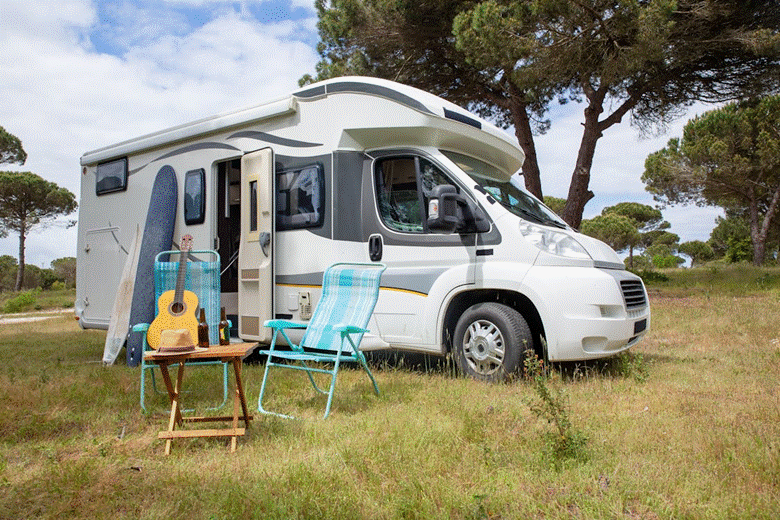
Preparing for a trip takes some effort but pays off in the end. You will find that life on the road is full of wonderful surprises. Every mile brings you closer to a new view or a hidden gem.
The memories you make while camping will last for a lifetime. Take the time to enjoy the small moments around the campfire. Your next great adventure is just a drive away.
Buy Me A Coffee
The Havok Journal seeks to serve as a voice of the Veteran and First Responder communities through a focus on current affairs and articles of interest to the public in general, and the veteran community in particular. We strive to offer timely, current, and informative content, with the occasional piece focused on entertainment. We are continually expanding and striving to improve the readers’ experience.
© 2026 The Havok Journal
The Havok Journal welcomes re-posting of our original content as long as it is done in compliance with our Terms of Use.


