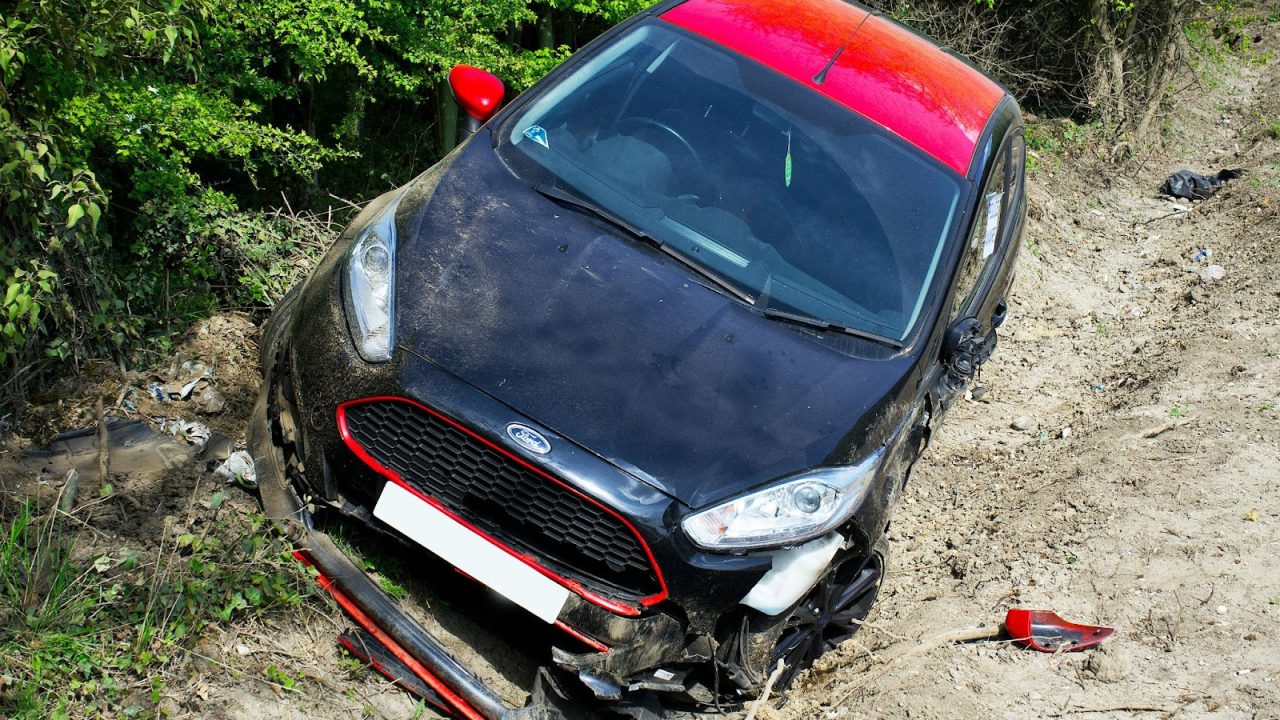
When you’ve had a collision, the last thing you need is for anything to make it more complicated than it already is. But sadly, the case can be almost the opposite for many people finding themselves in this situation. Making an insurance claim post-collision should be an easy, straightforward process. But there are always things that go wrong, things people miss, and this results in a claim being denied even if it’s eligible for a payout. Around 5–15% of car insurance claims are denied annually in the US, according to Consumer Affairs.
And the following are just some of the reasons why you might find yourself in that position, or at least having more issues than you need when dealing with your insurance company.
Delaying Notifying Your Insurance Company
A really common mistake that comes up time and time again is waiting too long to make a claim. Insurance companies, for the most part, stipulate immediate notification, and delays can trigger unnecessary scrutiny. Insurers might turn around and question your version of events or your injuries, or ask why you waited so long to inform them of the incident.
Even if you believe an accident was minor, you should report it immediately or as soon as you’re able to protect your timeline and establish documentation of the event. Leaving it days or weeks without good reason, i.e., medical complications or severe injuries, creates room for coverage disputes, which will just make your life harder.
Providing Incomplete or Speculative Statements
Initial conversations with your insurance company matter more than you might realise. How you talk to them and the words you use will be taken into consideration. Downplaying symptoms then playing them up later doesn’t look well on you. Nor is guessing about fault or offering opinions rather than facts. Even if you don’t mean to, these will be correlated with other information, such as police reports or medical notes, if you need treatment.
Claim adjusters rely heavily on recorded accounts, and this means you need to give them complete and accurate facts so they don’t have room to use your own words and actions against you. Inconsistencies damage credibility, so to stay safe stick to factual accuracy about the incident, details that can be verified or were observed, no speculation, no self-assignment or blame.
Misunderstanding How Fault is Determined
Many drivers assume fault is immediately obvious. But this is based on personal perception, and in reality, insurers can and often do use legal professionals, police reports, witness statements, vehicle damage, weather conditions, traffic laws, and comparative negligence rules to make final decisions.
And misunderstanding this process opens the door for drivers to make harmful admissions to inaccurate claims. Understanding how car accident cases are evaluated means you can understand how blame is assigned, what might go against you and how evidence is evaluated to make the final decision. It isn’t always a straightforward case of who was right or wrong, it’s about who in the position carries the most blame, and this distinction is important.
Buy Me A Coffee
The Havok Journal seeks to serve as a voice of the Veteran and First Responder communities through a focus on current affairs and articles of interest to the public in general, and the veteran community in particular. We strive to offer timely, current, and informative content, with the occasional piece focused on entertainment. We are continually expanding and striving to improve the readers’ experience.
© 2026 The Havok Journal
The Havok Journal welcomes re-posting of our original content as long as it is done in compliance with our Terms of Use.


