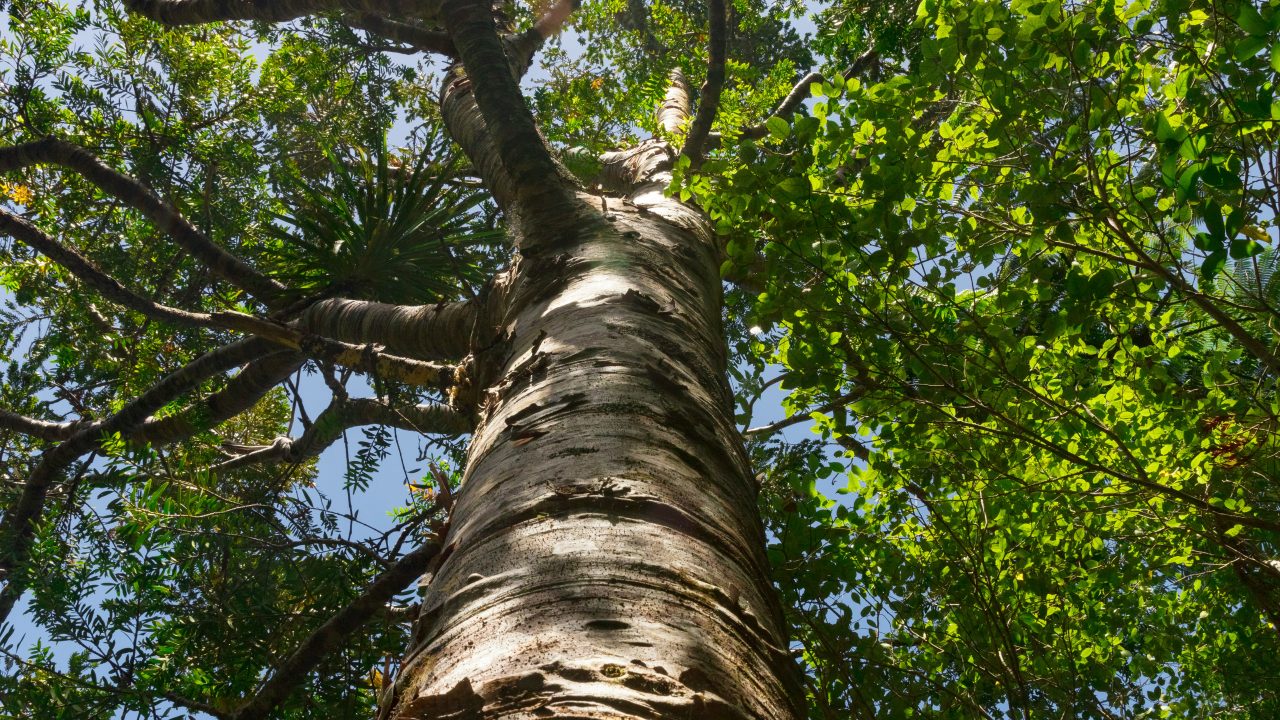
Photo by Jon Moore on Unsplash
Bellevue’s fast-growing trees, like Big leaf maples and Douglas firs, often become too large, creating risks like dropping branches and casting excessive shade. Many homeowners wait until limbs scrape gutters or roots crack driveways before acting. Don’t wait for a storm to turn small problems into expensive emergencies. Calling for tree cutting services in Bellevue, WA, proactively saves money and headaches across Pacific Northwest winters. Understanding whether removal or trimming is best, and how seasonal timing affects pricing, helps homeowners manage tree care smartly instead of paying premium emergency rates.
Signs A Tree Has Outgrown Its Spot
Many King County trees planted decades ago are now over 60 feet tall and causing issues. Their extensive root systems, often stretching two to three times the canopy width, can damage foundations and sidewalks far from the trunk. Catching these structural problems early through professional inspection protects both your trees and your property.
Common warning signs to watch out for:
- Branches scraping rooflines during normal breezes across the year
- Roots lifting walkways, driveways, or patio sections noticeably
- Canopies blocking too much sunlight from lawns and gardens
- Hollow trunks identified through arborist sounding inspections
- Leaning angles increasing across recent rainy seasons consistently
Catching these early means trim work rather than full removal, which keeps property value strong while protecting structures.
Trimming Versus Full Removal Decisions
Sometimes trees deserve saving even when problems pile up, since mature healthy trees boost property values 7 to 19 percent according to USDA Forest Service data tracked through 2025 and 2026. Other times removal makes more sense, especially with diseased trunks or species notorious for breaking apart during storms. Booking a quote covering professional tree trimming in Bellevue first lets homeowners weigh both paths fairly before making big calls.
Factors swinging toward trimming over removal:
- Healthy trunk core verified through resistograph testing accurately
- Branches problematic but central tree structure stays sound
- Tree species native and resilient against Pacific Northwest weather
- Property value benefits outweighing maintenance costs annually
- Wildlife habitat benefits considered across older mature specimens
Trim work runs $300 to $1,200 typically, while full removal climbs to $1,500 plus depending on tree height and access challenges.
Seasonal Timing That Affects Pricing
Tree work pricing is much higher during the storm season (October–February) due to high demand. To save 15 to 25 percent, proactively book your trimming in the spring or summer.
Smart timing strategies for tree care:
- Spring booking offering best pricing across most King County companies
- Summer slots filling fast as folks prep for fall storm seasons
- Fall windows tightening as panic calls flood schedules quickly
- Winter rates climbing 30 percent across emergency response calls
- Bundling multiple trees per visit for natural volume discounts
A bit of planning ahead saves hundreds compared to reactive winter scheduling once trees start dropping limbs onto rooftops.
Permits Plus Local Bellevue Rules
Bellevue regulates private property tree removal under city code, requiring permits across various species and trunk diameters depending on zoning. Skipping permits feels harmless until property sale inspections flag violations, which can hit $5,000 fines under current 2026 ordinances enforced across the area.
Permit considerations every homeowner should handle:
- Permits required for trunks above certain diameters per code
- Heritage trees marked across Bellevue protected species lists
- Replacement planting sometimes mandated post removal projects
- Right of way trees handled by City rather than property owners
- Significant tree provisions tied to lot size and zoning categories
A licensed arborist navigates these rules during quote visits, saving homeowners from accidental violations after work wraps up.
Insurance Plus Liability Concerns
Hiring unlicensed crews to save cash backfires fast when accidents happen during tree work, since homeowner insurance often refuses claims involving uninsured contractors. Verifying liability coverage plus workers compensation insurance protects property owners from massive lawsuits if injuries happen on their land. Modern 2026 contracts should include clear documentation covering both areas before any cutting starts.
Documents to verify before signing contracts:
- Current Washington state contractor license verified through L&I
- Liability insurance covering minimum $1 million per incident
- Workers comp coverage protecting all crew members on site
- Proof of bonding insurance for property damage scenarios
- Written estimates listing scope, cleanup, plus disposal clearly
Skipping verification feels small until somebody falls from a 50 foot tree without proper coverage backing the contractor.
Smart Bellevue homeowners act early, weigh trimming versus removal, and book work during spring or summer. Verifying contractor permits and insurance is essential to avoid legal issues. Professional arborist crews can handle any challenge, from trimming to crane removal, helping you avoid expensive surprises.
CTA: Tree care getting out of hand fast? Cascade Tree Care offers honest assessments without pushy upsells. Dial (425) 530-9697 today and grab a slot before storm season really kicks in!
FAQs
Q: How long does typical tree cutting work take across Bellevue, WA, properties?
Most jobs across Bellevue, WA, wrap up inside 4 to 8 hours per tree depending on size, complexity, plus access challenges involved on site. Larger trees needing crane assistance sometimes stretch into full day projects, especially when chipping plus debris hauling get bundled into final scope.
Q: How much does tree cutting cost across Bellevue, WA, during 2026?
Tree cutting across Bellevue, WA, typically runs $400 to $2,500 per tree depending on height, trunk diameter, plus landing zone factors involved. Larger conifers near homes or power lines push costs higher, especially when crane equipment becomes necessary for safe sectional removal across tight suburban lots.
Buy Me A Coffee
The Havok Journal seeks to serve as a voice of the Veteran and First Responder communities through a focus on current affairs and articles of interest to the public in general, and the veteran community in particular. We strive to offer timely, current, and informative content, with the occasional piece focused on entertainment. We are continually expanding and striving to improve the readers’ experience.
© 2026 The Havok Journal
The Havok Journal welcomes re-posting of our original content as long as it is done in compliance with our Terms of Use.

