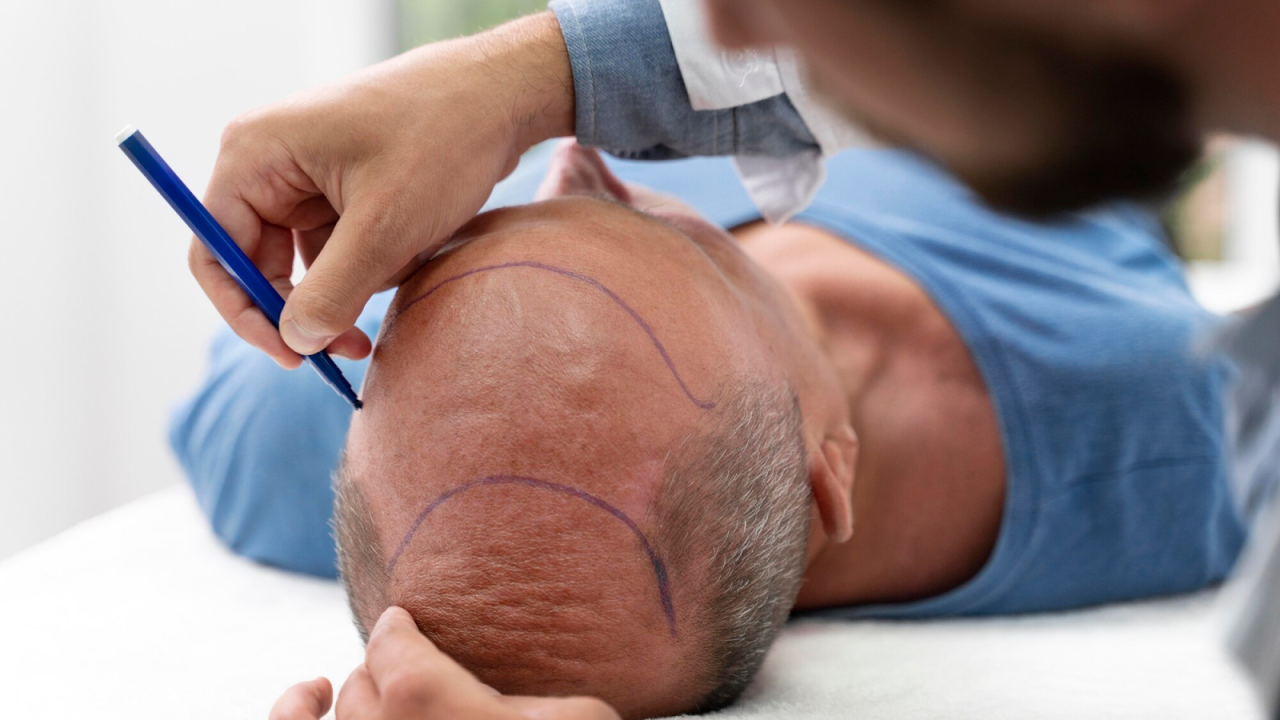
Follicular Unit Transplantation (FUT), often called the “strip method,” is a common choice for patients in Melbourne who require a large number of grafts in a single session. While it is highly effective for restoring density, it does leave a linear scar at the back of the head. For many, including those seeking hair transplants for transgender in Melbourne, managing this scar is a priority to ensure the result looks natural from every angle. With proper care and modern techniques, this scar can often be reduced to a fine, nearly invisible line.
Immediate Post-Operative Care (Weeks 1–2)
The most critical period for scar formation is the first fortnight. How you treat the wound during this time determines its final width and texture.
Avoid Scalp Tension
This is the most important rule for FUT patients. Stretching the scalp by bending your neck forward aggressively or performing heavy lifting can cause the wound to “stretch,” leading to a wider scar. Keep your head in a neutral position as much as possible during the first ten days.
Head Elevation and Rest
Sleep with your head elevated at roughly a 45-degree angle for the first three to five nights. This reduces swelling and pressure on the suture line, which promotes faster, cleaner healing. Avoiding strenuous activity is also vital as it prevents increases in blood pressure that could disrupt the healing incision.
Keep the Area Clean and Moist
Follow your Melbourne clinic’s instructions on cleaning the donor area. Many surgeons recommend applying a thin layer of antibiotic ointment or specialized healing cream to keep the wound from drying out and forming thick scabs, which can interfere with smooth skin closure.
Long-Term Scar Management (Months 1–6)
Once the sutures are removed, usually around day ten to fourteen, the focus shifts from wound healing to scar maturation.
Silicone Gels and Sheets
Once the wound is fully closed, medical-grade silicone gels or sheets are widely considered the gold standard for scar reduction. They help hydrate the area and regulate collagen production, preventing the scar from becoming raised or red.
Sun Protection
New scar tissue is extremely sensitive to UV rays. Sun exposure can cause hyperpigmentation, making the scar turn a darker, more permanent colour. Wear a loose-fitting hat or apply a high-SPF sunscreen to the back of your head if you have short hair.
Scalp Massage
After about four to six weeks, your doctor may suggest gentle scalp massages. This can help improve blood flow and maintain scalp elasticity, which is particularly beneficial if you plan on having a second procedure in the future.
Advanced Concealment and Repair Techniques
In some cases, even with perfect aftercare, a scar may still be visible if you prefer to wear your hair very short. Leading clinics in Melbourne offer several camouflage options.
Trichophytic Closure
Most top-tier Melbourne surgeons now use a trichophytic closure during the initial surgery. This involves trimming one edge of the incision so that hair actually grows through the scar tissue. This effectively breaks up the linear appearance of the scar, making it difficult to spot even with shorter haircuts.
Scalp Micropigmentation (SMP)
For those who want to wear their hair very short, SMP is a highly effective non-surgical solution. A specialist uses medical-grade pigment to create tiny dots that mimic the appearance of hair follicles directly on the scar. This reduces the contrast between the pale scar and the surrounding hair.
FUE into the Scar
If a scar has stretched over time, individual follicles can be harvested via FUE (Follicular Unit Extraction) and transplanted directly into the scar tissue. This provides a permanent, hairy camouflage that helps hide the linear mark.
Considerations for Transgender Patients
For those undergoing gender-affirming hair restoration, the Melbourne FUT hair transplant is often used to create a more feminine hairline or to lower a high forehead.
Hairstyle Flexibility
Transgender women often find FUT advantageous because they typically wear their hair longer, which easily conceals the linear scar. Clinics in Melbourne, such as Hair Transplants Melbourne or The Knudsen Clinic, specialise in these procedures, ensuring the donor site is placed optimally for long-term concealment.
Graft Maximisation
FUT is often the preferred method for gender-affirming care because it allows for the highest number of grafts to be moved in one session. This is often necessary to change the overall shape and weight of the hairline from a masculine M-shape to a softer, rounded feminine contour.
Integrated Care
Melbourne specialists provide inclusive services that understand the specific aesthetic goals of the trans community. They often combine surgical transplants with supportive treatments like PRP or growth factor therapy to enhance healing and ensure the best possible result for your new hairline.
Buy Me A Coffee
The Havok Journal seeks to serve as a voice of the Veteran and First Responder communities through a focus on current affairs and articles of interest to the public in general, and the veteran community in particular. We strive to offer timely, current, and informative content, with the occasional piece focused on entertainment. We are continually expanding and striving to improve the readers’ experience.
© 2026 The Havok Journal
The Havok Journal welcomes re-posting of our original content as long as it is done in compliance with our Terms of Use.


