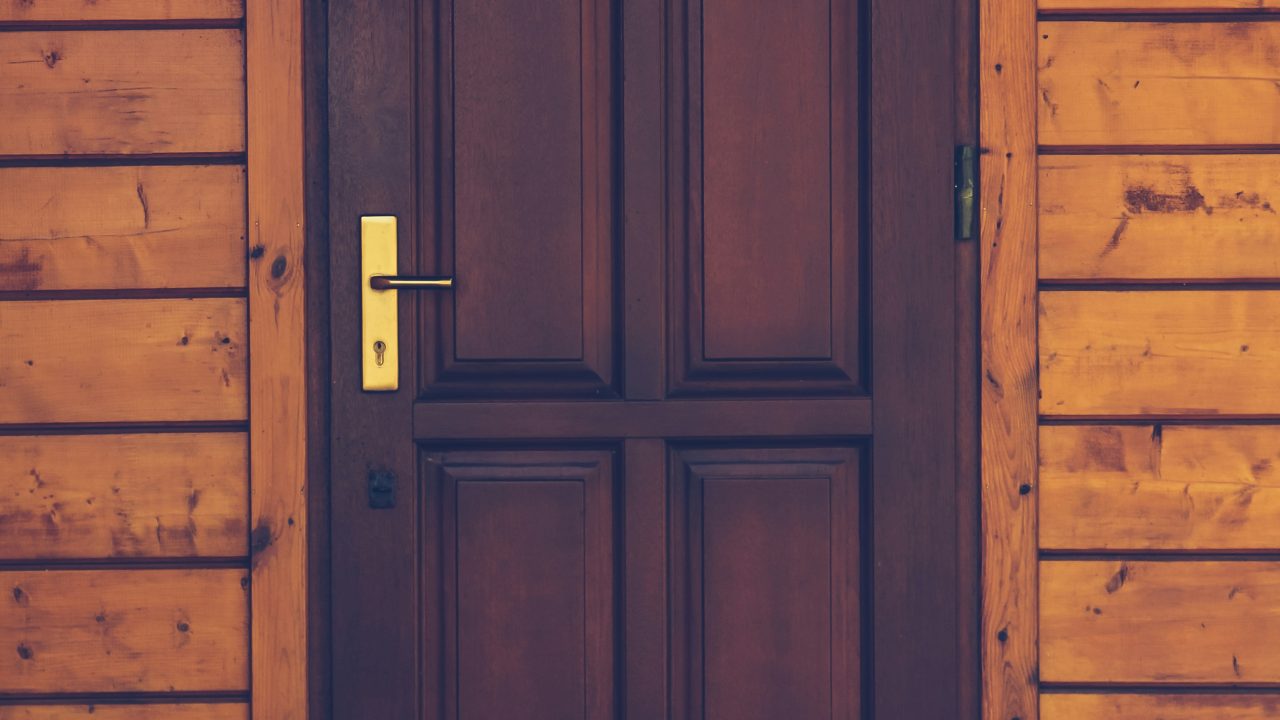
Photo by Sophie Dale on Unsplash
Doors are an essential element of any home. They not only provide security and privacy but also contribute significantly to a house’s style, energy efficiency, and overall feel. From welcoming front entrances to functional interior doors, selecting the right type, material, and design can transform the way a space looks and feels.
In this guide, we explore the most popular door options, what makes each unique, and how to choose the best doors for your needs.
Why Doors Matter
Doors are more than just functional barriers between rooms or inside and outside. They frame your home’s entrance, affect natural light, enhance insulation, and even influence airflow. The right doors can elevate interior design and increase property value. When planning renovations or new builds, doors deserve thoughtful consideration.
Key Factors to Consider When Choosing Doors
Material
Doors are made from various materials, each offering different benefits:
Wood
Wooden doors provide warmth and classic appeal. They are excellent for traditional and contemporary homes alike. While wood can be more expensive and require maintenance to prevent warping or moisture damage, it’s highly customizable with stains and finishes.
Steel
Strong and secure, steel doors are ideal for external entrances. They resist impact and offer excellent long-term durability. However, they can dent and may show scratches more easily than other materials.
Fibreglass
A versatile and low-maintenance option, fibreglass doors mimic the look of wood but resist dents and rot. They perform well in varying weather conditions and are a popular choice for front doors.
Aluminium
Often used in sliding or folding doors, aluminium is lightweight, corrosion-resistant, and strong. Its slim frames allow for larger glass panels, enhancing views and natural light.
Style and Design
Panel Doors
These traditional doors feature rectangular panels, lending depth and character to both internal and external spaces. They suit many architectural styles.
Flush Doors
Minimalistic and smooth, flush doors work well in modern interiors. They are understated and easy to pair with various décor themes.
Glass Doors
Glass doors, including French and sliding patio styles, invite natural light and create a sense of openness. Frosted or textured glass options can maintain privacy while still letting light through.
Louvre Doors
Ideal for ventilation, louvre doors have angled slats. They’re commonly used for closets, utility rooms, or tropical climates where airflow is beneficial.
Functionality
Consider how a door will be used:
Front Doors
Security, insulation, and curb appeal are key. Strong locks, weather resistance, and an inviting design are priorities.
Internal Doors
These focus more on design and space division. They can impact acoustics and privacy in bedrooms, bathrooms, or living areas.
Sliding and Folding Doors
Perfect for connecting indoor and outdoor spaces or saving room where traditional doors might obstruct walkways.
Fire-Rated Doors
For safety in specific areas like garages or multi-unit buildings, fire-rated doors help prevent the spread of fire and smoke.
Popular Door Types for Different Rooms
Entry Doors
Your front door greets guests and protects your home. Consider doors with robust hardware, quality weather stripping, and insulation. A bold color or unique finish can make a striking impression.
Bedroom and Bathroom Doors
These internal doors should prioritize privacy and sound reduction. Solid core or panel doors are excellent choices. Sliding doors can be a great option for small rooms or wardrobe spaces.
Living and Dining Areas
Large openings benefit from glass sliding or bi-fold doors to make spaces feel more connected and let in natural light. These doors can also enhance outdoor entertaining areas.
Utility and Closet Doors
For practical spaces, louvre or bi-fold doors offer functionality without taking up too much room. They allow airflow in laundry areas and hide storage neatly.
Tips for Choosing the Right Door
Measure Accurately
Always measure door frames precisely before purchasing. Incorrect sizing can lead to gaps, drafts, or installation issues.
Consider Climate
If you live in a region with extreme weather, choose doors with good insulation and weather protection. Fibreglass or steel exterior doors are often better suited to harsh climates.
Think About Hardware
Handles, hinges, locks, and finishes can change the look and feel of a door. Choose hardware that matches your home’s style and offers durability.
Match Your Interior Style
Maintain a cohesive look by choosing doors that complement flooring, trim, and other architectural features. A modern home may suit sleek flush doors, while a heritage property might benefit from classic panel doors.
Conclusion
Doors are a foundational part of any home’s design and functionality. By understanding the different materials, styles, and uses, you can make informed decisions that enhance comfort, aesthetics, and value. Whether you’re choosing a striking front door to boost curb appeal or picking interior doors that improve flow and privacy, careful selection makes all the difference. Thoughtful choices today can elevate your home for years to come.
Buy Me A Coffee
The Havok Journal seeks to serve as a voice of the Veteran and First Responder communities through a focus on current affairs and articles of interest to the public in general, and the veteran community in particular. We strive to offer timely, current, and informative content, with the occasional piece focused on entertainment. We are continually expanding and striving to improve the readers’ experience.
© 2026 The Havok Journal
The Havok Journal welcomes re-posting of our original content as long as it is done in compliance with our Terms of Use.


