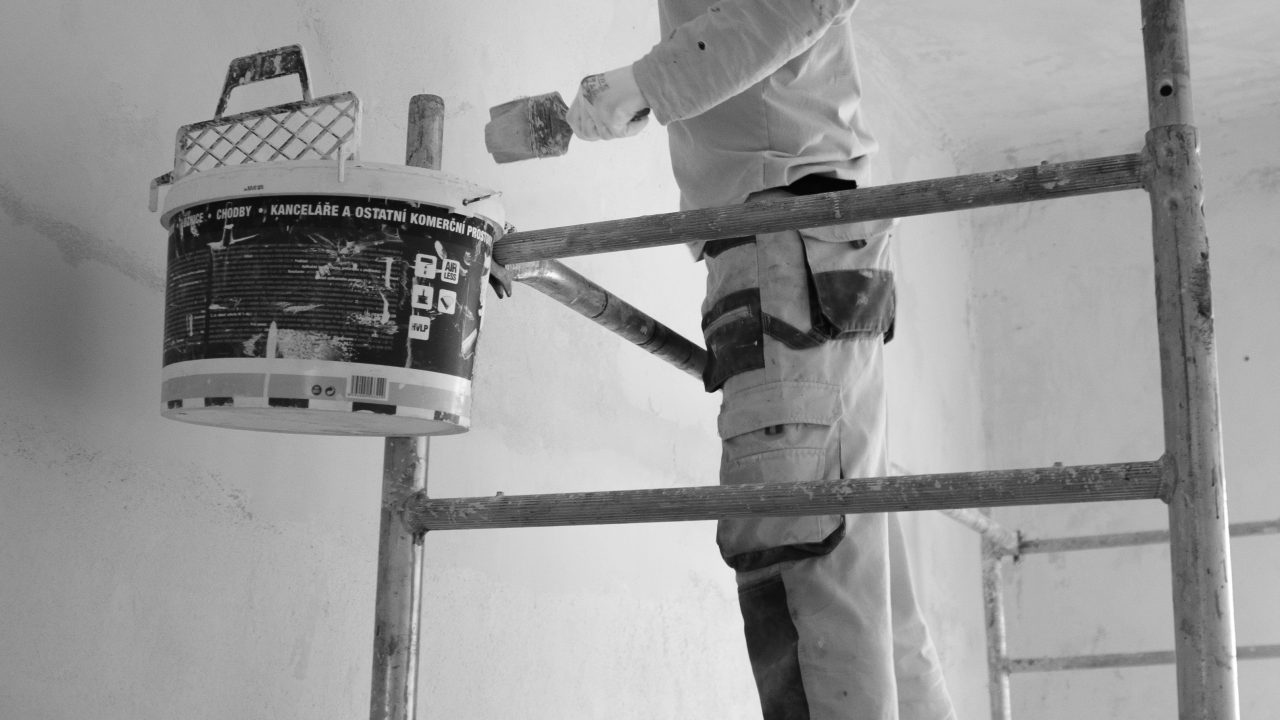
You decide to spend a weekend giving your living room or exterior walls a fresh coat of paint. You buy the perfect color, roll it on, and everything looks amazing. Then, about eight months later, you notice a small bubble. A few weeks after that, big flakes start peeling off like a bad sunburn. It is frustrating, but it happens all the time because people skip the unglamorous prep work. When hiring a professional painter, they spend most of their time cleaning and sanding rather than actually painting. If you want your DIY paint job to last for years instead of months, you have to focus on the boring steps before you ever open a paint can.
The Invisible Enemy: Slick Surfaces and Glossy Finishes
One of the biggest mistakes people make is painting right over old, shiny paint. New paint needs something to grip onto. If your walls have a glossy finish from an old semi-gloss or high-gloss paint, the new coat will just sit on top of it like water on a waxed car. Over time, gravity and temperature changes will cause the top layer to crack and pull away.
To fix this, you need to scuff up the surface. Grab some medium-grit sandpaper and lightly run it over the walls. You do not need to strip the old paint down to the bare wood or drywall. You just want to take the shine off so the wall feels slightly rough. This process creates a microscopic texture that acts like Velcro for your new paint.
Skipping the Soap: Painting Over Dirt and Grease
Walls collect a surprising amount of dust, body oils around light switches, and kitchen grease. If you paint right over that grime, the paint bonds to the dirt instead of the wall. Eventually, the dirt detaches from the wall, and your beautiful new paint job comes tumbling down with it.
Before you start painting, you need to wash your walls. A bucket of warm water mixed with a little dish soap or a specialized cleaner like TSP will do wonders. Wipe down the walls with a sponge, and focus on the following areas:
- Prioritize the surface near doors
- Pay attention to baseboards
- Take note of cooking surfaces
Let the walls dry completely before moving on. If you paint over a damp surface, you trap moisture inside, which causes blistering and peeling down the road.
The Golden Rule of Primer
Many people think primer is just an optional step designed to make paint companies more money. This misconception is exactly why so many DIY paint jobs fail within twelve months. Primer is not just thin paint. It is a completely different chemical compound. It was specifically designed to seal porous surfaces and create a strong bond between the wall and the topcoat.
You absolutely need primer if you are painting over bare wood, fresh drywall, or patched areas. You also need it if you are switching from an oil-based paint to a water-based latex paint. Latex paint cannot stick to oil-based paint. If you skip the primer in this situation, you can literally peel the new paint off the wall in giant sheets after a few months. Take the extra day to put down a solid coat of primer.
Ignoring the Rotten and Cracked Spots
It is tempting to just paint over a small crack or a soft spot in the wood trim, hoping the thick liquid will fill it in and hide the damage. Paint is thin, and it shrinks as it dries. It will not hide structural issues, and it certainly will not stop rot.
Moisture is the ultimate enemy of paint. If you have a cracked seam outside or a window sill with minor water damage, you must fix it first. Scrape out any loose material, fill the gaps with a high-quality exterior caulk or wood filler, and let it cure. If you leave these tiny gaps open, rainwater or indoor humidity will creep behind the paint layer. Once water gets behind the paint, it pushes the paint away from the surface, leading to massive peeling.
Final Word
Taking these extra steps might add an extra day or two to your weekend project, but it saves you from having to redo the entire job next year. Doing the job right the first time requires patience and the mindset of a professional painter. By sanding away the shine, cleaning off the grease, using the right primer, and sealing up cracks, you guarantee that your fresh coat of paint stays beautiful and secure for a very long time.
Buy Me A Coffee
The Havok Journal seeks to serve as a voice of the Veteran and First Responder communities through a focus on current affairs and articles of interest to the public in general, and the veteran community in particular. We strive to offer timely, current, and informative content, with the occasional piece focused on entertainment. We are continually expanding and striving to improve the readers’ experience.
© 2026 The Havok Journal
The Havok Journal welcomes re-posting of our original content as long as it is done in compliance with our Terms of Use.

