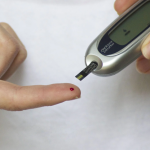
Photo by Richard Sagredo on Unsplash
Living with a chronic health condition can be challenging at any age, but for seniors, it often means finding a careful balance between managing symptoms, maintaining independence, and staying connected to a support network. According to the CDC, about 80 percent of adults over age 65 have at least one chronic condition, and 68 percent have two or more. That’s why developing a thoughtful, proactive self-care routine is essential for maintaining quality of life. It’s not only about extending lifespan, but also about making those years as healthy and enjoyable as possible.
1. Stay on Top of Medical Care
Regular medical check-ups and screenings are the foundation of managing chronic illnesses. Seniors should maintain a consistent schedule for doctor visits, both with their primary care physician and any necessary specialists. Routine lab work can catch potential issues before they become serious, and vaccinations, like those for flu and pneumonia, are especially important for people whose immune systems may already be compromised.
Medication reviews are critical to ensure correct dosages and avoid dangerous interactions, particularly for those managing multiple conditions at once. The National Council on Aging reports that up to 55 percent of older adults take four or more prescription drugs daily, making it easy for mistakes or overlaps to occur without regular monitoring.
2. Focus on Nutrition
A balanced diet plays a powerful role in reducing inflammation, strengthening the immune system, and stabilizing blood sugar levels. For many seniors, adopting a diet rich in fruits, vegetables, lean proteins, and whole grains can lead to noticeable improvements in energy and overall health. Limiting added sugars, processed foods, and excessive sodium can help manage conditions like hypertension, heart disease, and diabetes.
Seniors with specific health concerns, such as kidney disease or heart failure, may need meal plans tailored to their unique nutritional needs. In many cases, working with a registered dietitian can help create a plan that is realistic, enjoyable, and effective.
3. Keep Physically Active, Safely
Physical activity doesn’t have to mean intense workouts at a gym. Even 20 to 30 minutes of low-impact exercise most days—such as walking, gentle yoga, tai chi, or swimming—can improve mobility, reduce pain, and boost mood. Exercise also supports heart health, helps regulate weight, and can enhance sleep quality.
Before beginning any new activity, it’s wise to consult with a healthcare provider to ensure the exercises are safe and appropriate. Starting small and gradually increasing activity can help prevent injuries while still delivering long-term benefits.
4. Leverage Technology for Health Management
Technology can play a huge role in helping seniors stay organized, motivated, and engaged in their care. One valuable tool is the Wellth app, which offers healthcare incentives, reminders, and tracking features designed to help users follow a health plan more easily.
Through Wellth, seniors can receive daily reminders to take medications, track important health metrics like blood pressure or blood sugar, and upload photos to confirm medication compliance. This kind of accountability can be a game-changer for those who struggle with remembering doses or sticking to new routines.
Research has shown that apps like Wellth can improve medication adherence rates by as much as 89 percent. This is significant when considering that non-adherence is estimated to cause nearly 125,000 preventable deaths each year in the United States. The combination of gentle reminders and reward-based motivation helps make healthier habits stick.
5. Maintain Mental and Emotional Well-Being
Living with a chronic condition can be physically demanding, but it can also take a serious emotional toll. Seniors should make it a priority to stay socially connected, whether through friends, family, local community groups, or even online clubs. Mindfulness practices such as meditation, deep breathing exercises, or journaling can help reduce stress levels and improve mental clarity.
Professional support from a therapist or counselor can also make a significant difference, particularly for those dealing with depression or anxiety related to their health. Loneliness has been linked to a 50 percent increased risk of dementia, underscoring the importance of emotional health alongside physical well-being.
6. Create a Safe Home Environment
Falls are one of the most common and preventable dangers for seniors. Simple adjustments at home can drastically reduce the risk. These include installing grab bars in bathrooms, improving lighting in hallways and staircases, removing loose rugs, and keeping walkways free from clutter.
The National Institute on Aging notes that one in four Americans over the age of 65 experiences a fall each year, and many of these incidents result in serious injury. Preventive steps taken now can help avoid long hospital stays or loss of independence later.
Final Thoughts
Self-care for seniors with chronic health conditions is not about perfection—it’s about creating a sustainable lifestyle that supports health, independence, and happiness. With consistent medical care, nutritious eating, safe physical activity, emotional support, and tools like the Wellth app, seniors can manage their conditions effectively while still enjoying a high quality of life. Small, consistent actions over time can lead to significant improvements, making each day more comfortable and fulfilling.
Buy Me A Coffee
The Havok Journal seeks to serve as a voice of the Veteran and First Responder communities through a focus on current affairs and articles of interest to the public in general, and the veteran community in particular. We strive to offer timely, current, and informative content, with the occasional piece focused on entertainment. We are continually expanding and striving to improve the readers’ experience.
© 2026 The Havok Journal
The Havok Journal welcomes re-posting of our original content as long as it is done in compliance with our Terms of Use.