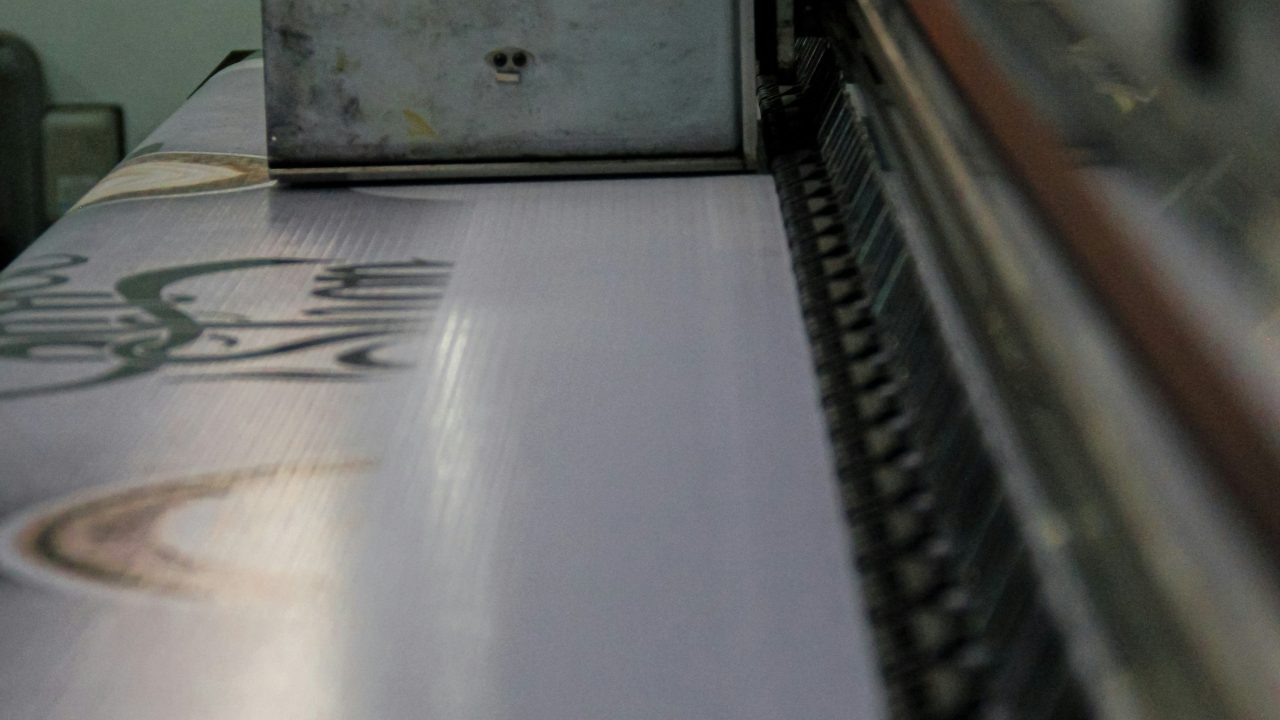
Photo by Geri Sakti on Unsplash
A printing service transfers digital designs or text onto substrates such as paper, cardstock, or vinyl. Professionals enhance and assemble printed materials through processes such as lamination and decorative embellishments, making sure the final product is both functional and visually appealing. The book printing process involves the following steps:
Initial Project Consultation
During the initial consultation phase, clients collaborate with technicians to define a project’s core purpose and audience. This informs the selection of appropriate templates and paper stocks for the final product. Material evaluation constitutes a key aspect of the process, where specialists present various paper types, weights, and cover stocks. These elements help construct a book that matches the creator’s vision and enhances the reader’s experience.
A consultation also focuses on the technical aspects of production. Technicians discuss which printing methods best suit the project’s volume, timeline, and budget. This stage makes sure that your book meets professional standards, whether it will be distributed in corporate or retail settings. Experts guide you through integrating brand-specific colors, logos, and design elements with precision, making certain that the book maintains a consistent and polished appearance. By the end of this phase, clients have a clear roadmap for production, with both creative vision and practical requirements fully aligned.
Technical File Preparation
Technical file preparation involves configuring digital documents to meet exact printing specifications and the inclusion of bleed and trim areas. The phase consists of the following technical actions to promote professional results:
- Resolution verification
- Color profile conversion
- Layout specifications
- File format standardization
All images and graphics must possess high-definition clarity to prevent a blurry or pixelated final product. Converting your files to the correct color profile verifies that printed colors accurately reflect what you see on your screen. Digital screens create colors using light, whereas printing presses reproduce colors with inks that absorb light to display the desired hues. Converting your files to the correct profile helps match the hues and tones on your monitor with the printer’s ink. Professionals set up layout specifications like bleed areas to allow the background images to extend slightly past the final edge. This helps prevent white gaps from appearing after trimming the pages.
Binding Style Application
During the book printing process, the binding style application involves the physical assembly of your pages into a cohesive piece. The binding methods to select from include saddle stitching, perfect binding, and case binding. When making catalogs or zines, professionals fold pages and secure them with metal staples or thread along the center crease.
Perfect binding creates a square-back appearance by using thermal glue to attach the interior pages to a flexible wrap-around cover. Case binding is reserved for premium or archival projects; it involves gluing or sewing the page sections into a rigid hardcover, which provides both durability and long-term protection. Other binding options include spiral and wire-o styles, which use plastic or metal coils to allow the book to lie flat for easier reading. Once the pages are securely bound, a final trimming step makes sure that all edges are clean, uniform, and professionally finished.
Proof Quality Verification
Proof review evaluates the printed output before the full production run begins. Examining a physical proof verifies image clarity, layout, and color accuracy, making sure the final product matches the original design. This step identifies misaligned graphics and other issues that might have been overlooked during digital preparation. Correctly positioning bleed and trim areas during this stage prevents alignment problems and unwanted margins in the finished book. After final approval, the project moves into digital or offset printing to produce the complete order. Proof verification confirms that the final print consistently reflects the intended design.
Protective Finish Integration
Applying protective finishes and decorative elements completes the book’s exterior while enhancing its appearance. These treatments shield printed ink from scratches, fingerprints, and everyday wear. Technicians use specialized coatings to increase durability and preserve the quality of the project over time. Surface options include matte lamination, which creates a soft, non-reflective finish, and glossy lamination, which intensifies colors and adds shine. Designers also employ specialty techniques such as embossing and debossing, producing raised or recessed textures that add visual and tactile interest.
Learn More About Book Printing
Experts offer diverse book solutions tailored for different professional industries. The printing process may vary depending on the formats, such as instructional manuals and fashion lookbooks. Contact a reputable printing company to explore the services they offer.
Buy Me A Coffee
The Havok Journal seeks to serve as a voice of the Veteran and First Responder communities through a focus on current affairs and articles of interest to the public in general, and the veteran community in particular. We strive to offer timely, current, and informative content, with the occasional piece focused on entertainment. We are continually expanding and striving to improve the readers’ experience.
© 2026 The Havok Journal
The Havok Journal welcomes re-posting of our original content as long as it is done in compliance with our Terms of Use.


