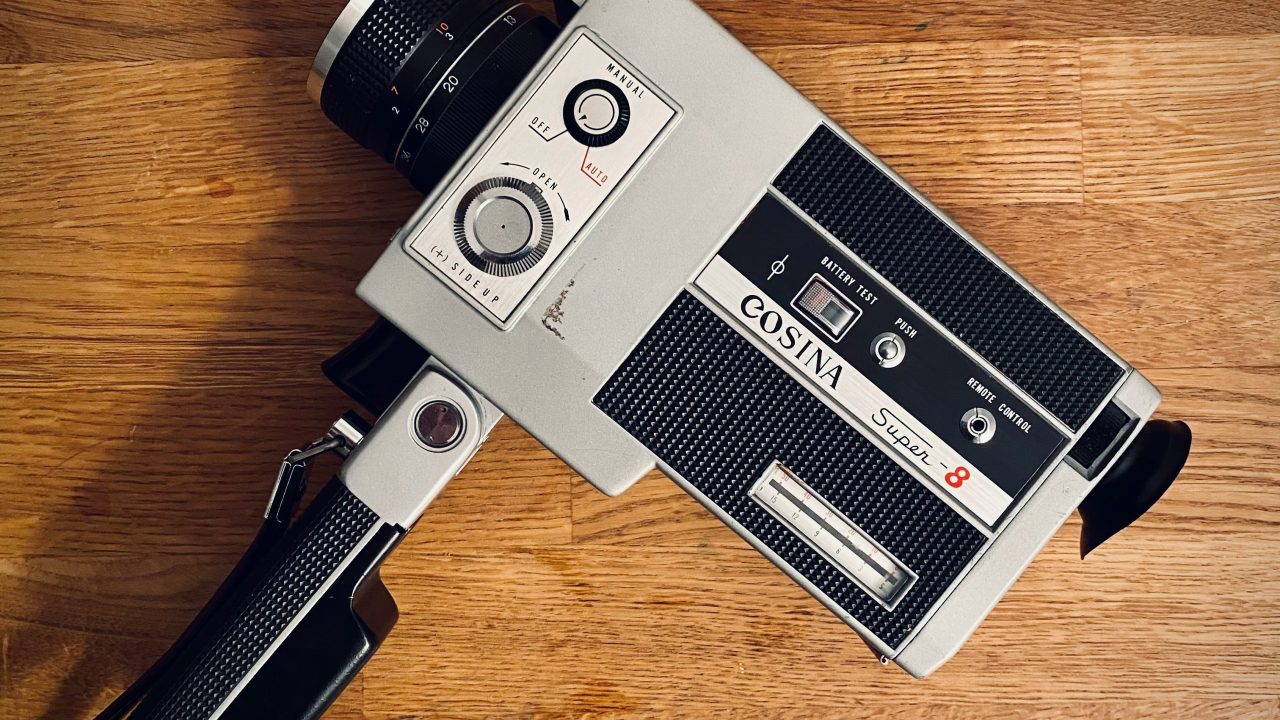
Photo by Arno Senoner on Unsplash
Quick Answer: Super 8 is worth it for couples who prioritize mood, texture, and an emotionally resonant heirloom piece over exhaustive documentation. It’s especially effective in New York when used selectively and combined with solid digital coverage as the foundation of your package.
What “worth it” actually means for different couples
The real question isn’t whether film is objectively better than digital in every scenario, it’s whether the emotional return justifies the added cost and complexity for your specific wedding. Ask whether the final film creates a memory you’ll actually rewatch for decades to come, whether the visual look distinctively represents your wedding rather than looking generic, and whether the cost feels justified by the viewing experience you’ll get back over the years. Different couples will answer these questions differently, and that’s exactly why film isn’t a universal recommendation for every wedding.
Real use cases where Super 8 adds genuine value
Editorial portraits on a rooftop or inside a loft venue gain a lot from film, since Super 8 amplifies silhouette and available light in a way digital simply doesn’t replicate in the same way. Intimate ceremony moments often benefit from the softer, more tactile look film provides, especially for smaller, more personal ceremonies where every guest can be seen and felt in the frame. Travel or elopement sequences, like a subway exit in Manhattan or a walk along the Hudson River at golden hour, gain real presence and emotional weight when shot as film inserts rather than standard digital clips that could look like any other wedding video.
Budgeting and costs: what to actually expect
Film stock costs vary depending on the type and length of reel used during the shoot, and most studios will have a set number of reels included in a Super 8 package with options to add more. Lab processing adds development and telecine or scanning fees on top of the shoot itself, and this is often the most overlooked cost couples don’t anticipate when first considering film. Editing time also increases meaningfully, since matching film to a digital timeline and grading both take extra hours compared to a fully digital workflow. Pricing models differ by studio, some treat Super 8 as a flat add-on fee, others offer it as a dedicated package with its own tier of pricing, so it’s worth asking for a line-item breakdown either way before signing a contract.
Delivery timelines and what to expect
Processing and telecine scanning typically add several weeks after the wedding day before footage is even usable for editing, so couples should build this into their expectations from the start. The final edit needs additional time on top of that for grading and quality control to make sure film and digital footage feel cohesive together. It’s worth agreeing on a realistic delivery window directly in your contract so expectations are clear from the very beginning of the planning process, rather than discovering delays after the wedding has already happened.
How to test whether Super 8 is right for you
Ask your filmmaker for sample reels and case studies from venues similar to yours, ideally in a comparable New York setting with similar lighting conditions. Requesting a short Super 8 test during your engagement session or a portrait shoot beforehand is a low-risk way to see the look before committing to it for your entire wedding day. It also helps to sit down and discuss specific moments you want captured on film and the lighting conditions expected during those windows, so both you and your filmmaker are aligned on expectations.
Practical tips for maximizing the value you get
Pick 6 to 12 high-impact moments in advance rather than leaving it entirely up to chance, portraits, entrances, the first look, and the ceremony exit are all strong candidates worth discussing ahead of time. Schedule those moments during good light windows whenever possible, working with your planner to build this into the day’s timeline. Reserve film for transitions and atmosphere rather than speech-heavy segments where audio matters most and digital is simply the more practical choice. Combine film sequences with digital audio recorded separately whenever a scene genuinely needs sound alongside the visual texture film provides.
Who benefits most from choosing Super 8
Couples focused on creating a keepsake rather than a forensic record of every single moment of the day tend to get the most value from film as part of their package. Those planning editorial-styled galleries and highlight films rather than long-form documentaries are natural candidates for leaning into the format more heavily. Pairs with well-lit venues or outdoor segments during golden hour will see the strongest results from Super 8 specifically, since the format rewards good light more than almost any other variable.
When it makes more sense to skip Super 8 entirely
Low-light-only events without a viable lighting solution simply aren’t a good fit for film, no matter how much a couple might love the aesthetic in theory. Strict budget constraints where other production priorities matter more, like additional coverage hours or a second shooter, are also a reasonable reason to skip Super 8 and focus resources elsewhere. Events where every single frame needs to be documented for family or religious reasons are usually better served entirely by digital, since film’s selective nature works directly against that goal.
Example timeline for a hybrid Super 8 shoot in NYC
Pre-ceremony portraits during first light on a rooftop or in a loft work particularly well on Super 8, taking advantage of soft morning light before the day gets busy. The ceremony itself is typically covered fully on digital to make sure vows and readings are captured cleanly with usable audio. During cocktail hour, one or two Super 8 reels can capture candid, atmospheric cuts of guests mingling and enjoying themselves. The portrait session afterward is a strong spot for an extended Super 8 portrait sequence that will likely become a highlight of the final reel. During the reception, digital covers speeches and dancing where audio and continuous coverage matter most, while film handles close-ups and table details as accents scattered throughout the edit.
FAQ
Does Super 8 reduce the need for other cinematography?
No, it complements other formats rather than replacing them entirely, and works best as one layer within a broader coverage plan.
Can Super 8 footage be restored or reused later on?
With good scans taken at the time of processing, film remains a stable archival asset that can be revisited and reused for years afterward.
Will the film actually survive long term without degrading?
Properly developed and digitized film can last decades without significant degradation, especially when scanned at high resolution shortly after processing.
Should I tell my guests I’m filming on Super 8 during the day?
There’s no real need. The cameras are small and unobtrusive, and most guests won’t even notice filming happening around them.
How do you choose which moments to shoot on film versus digital?
Prioritize emotional beats and visually interesting moments that specifically benefit from added texture, rather than trying to film everything indiscriminately.
Super 8 isn’t a novelty add-on, it’s a deliberate aesthetic decision that pays off when chosen thoughtfully and executed with technical care by an experienced team. For many New York couples, it creates a tactile heirloom that digital alone simply can’t reproduce, no matter how good the camera or the editing. You can see examples of this approach on our Super 8 wedding videography in New York page.
Buy Me A Coffee
The Havok Journal seeks to serve as a voice of the Veteran and First Responder communities through a focus on current affairs and articles of interest to the public in general, and the veteran community in particular. We strive to offer timely, current, and informative content, with the occasional piece focused on entertainment. We are continually expanding and striving to improve the readers’ experience.
© 2026 The Havok Journal
The Havok Journal welcomes re-posting of our original content as long as it is done in compliance with our Terms of Use.


