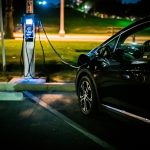
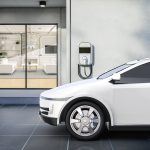
Photo by Rizky Subagja on Unsplash
Here’s a number that should make every coffee shop owner sit up: the average Level 3 charging session runs about 30 minutes, which is almost exactly how long people spend with a latte and a laptop. If you own or manage a coffee shop, you are sitting on the perfect piece of real estate for the fastest growing habit in transportation. This article walks you through the actual business case, the honest costs, and the practical steps to bring a fast charger to your parking lot without getting burned.
What Exactly Is a Level 3 Charger and Why Should You Care?
Level 3 chargers, also called DC fast chargers, are the ones that refill an EV battery to around 80 percent in 20 to 40 minutes. Your standard Level 2 unit takes four to eight hours for the same job. That time difference is everything for retail, because a Level 3 driver is a captive customer for half an hour, not somebody who plugs in overnight and forgets you exist.
The Department of Energy keeps close tabs on the public charging network, and their data shows fast charging ports have grown dramatically in recent years as more automakers commit to electric lineups. The energy.gov count of public fast charging ports tracks this expansion, and it climbed past 36,000 in 2023. That growth curve tells you the hardware is becoming a normal sight, not a novelty, which means customers now expect to find it at places they already visit.
So why a coffee shop specifically? Because the charging curve and the caffeine curve line up almost perfectly. A driver pulling in at 20 percent battery needs roughly the same time to charge as you need to serve and clear a busy morning rush. The customer walks in, orders, sits down, and by the time they finish their drink, their car is ready. Nobody is staring at a dashboard timer and rushing out mid-sip.
Does a Parking Spot Really Turn Into a Profit Center?
Let’s talk money, because the romantic version of EV charging dies fast when you see the installation invoice. A commercial Level 3 unit with transformer work and civil construction can land anywhere from $50,000 to $150,000 per stall depending on your existing electrical service. That is a real number, and pretending otherwise sets you up for a nasty surprise.
But here is the part the cost ignores: the revenue is not just the electricity you sell. The National Renewable Energy Laboratory took a close look at charging behavior and found EV drivers spend meaningful money at nearby businesses while they wait. Their research documents charging session patterns and the related spending at host locations, showing dwell time converts into foot traffic that would never have walked through your door otherwise.
Think about your own shop for a second. Your busy hours are morning and early afternoon. EV charging demand follows a different curve, spreading through the late afternoon and evening when your espresso machine would otherwise go quiet. A charger fills those dead hours with customers who have time to kill and nowhere else to be. That is incremental revenue on top of your existing day, not a replacement for it.
Why Coffee Wins Over the Grocery Store and the Gym
Every retail category is chasing EV drivers right now. Grocery stores want them because a 30 minute charge equals a full shopping trip. Gyms want them because a workout takes about an hour, which covers a full charge. On paper, both sound great. In practice, they miss the nuance of how drivers actually behave.
A grocery run is mission driven. The shopper has a list, moves fast, and treats the charger like a pit stop. If the line at checkout runs long, they are checking their charge status and getting anxious. A gym session fixes the time math, sure, but gym-goers arrive sweaty and leave smelling like the weights room. Nobody browses your pastry case in that state.
Coffee sits in the sweet spot. It is discretionary, social, and naturally pairs with waiting. The customer is not racing a list; they are choosing to linger. Your barista knows their order, the Wi-Fi is solid, and the chair is comfortable. That is the difference between a transaction and a destination, and destination is what keeps chargers busy.
Grant Money and Rebates Can Slash Your Upfront Cost
Here is where the project stops being scary. The federal government and many states offer serious financial support for public fast charging, and coffee shops qualify as public sites. The NEVI program, funded through the Bipartisan Infrastructure Law, pours billions into fast charging corridors, and state level programs add their own rebates on top.
The math changes fast when incentives enter the picture. A $120,000 project can drop to $60,000 or less after federal and state support, and some utilities offer additional make-ready credits for the electrical work. You should not sign anything until you have mapped every dollar of available funding in your state. The International Energy Agency’s annual iea.org report on EV adoption shows charging infrastructure investment accelerating globally, which tells you governments are treating this as a priority, not a pilot program.
One honest warning here. Grant applications take time and demand detail. You will need site control documents, utility coordination letters, and a realistic construction budget before you apply. That legwork is annoying, but it is also the difference between a $20,000 stretch and a $120,000 one.
The Feasibility Checklist Before You Call a Contractor
Before you pick up the phone, run through these five checks so you do not waste money on a site survey for a location that can never work:
- Check your electrical service. A Level 3 charger typically needs 150 to 350 kilowatts of dedicated capacity. If your transformer is already near its limit, upgrade costs balloon fast.
- Walk your parking layout. The charger needs a pull through or a pull in spot that does not block traffic. Delivery trucks and garbage pickup need clear paths around the equipment.
- Confirm your lease or deed allows commercial use of the parking area. Some landlords restrict subletting or commercial activity outside the main building footprint.
- Ask your utility about demand charges early. These fees hit hard for fast charging if your site sits in a high demand rate class.
- Check local zoning for signage and equipment setbacks. Some municipalities treat charging stations as a separate use that needs its own permit.
Each of these can kill a project, but each is also fixable with early planning. The trick is finding them before you pay for engineering drawings, not after.
Managing Your Station Once It Is Live
Installation day is not the finish line. Your real work starts when the first customer plugs in and the station has to perform every single day. Uptime is the currency of the EV charging world, and drivers will abandon a location after one bad experience.
You need a maintenance partner who responds in days, not weeks. Networked chargers report faults remotely, but someone still has to physically visit the site to swap hardware. A station that sits dead for a month earns a reputation that spreads through EV owner forums quickly, and once that reputation sticks, drivers route around you no matter how good your cold brew is.
Station your coffee shop can handle without third party help: keep the spots clear of ice and snow in winter, make sure the charging cables are coiled properly, and post a sign with your shop’s phone number so drivers can call you when something looks wrong. Small gestures like wiping down the touchscreen and emptying trash near the stalls change the driver’s perception of your whole business.
Is This Right for Every Coffee Shop? No, and That Is Fine
Let me be straight with you. A single outlet store on a rural highway with a tired transformer is probably not your charger opportunity. A shop near a highway interchange, a shopping district, or a stretch of road with no other fast charging within ten miles, now we are talking. The location has to want the traffic, not just tolerate it.
The economics work best when your shop already has the bones of a destination: solid seating, good Wi-Fi, decent parking, and hours that extend past the afternoon slump. If your shop closes at 2 PM, you are throwing away the best charging window of the day. Late afternoon and evening sessions are where the incremental dollars live.
And if you decide the numbers do not work today, that is a legitimate answer. The market will mature, hardware prices will keep dropping, and your opportunity may look different in three years. But if the feasibility checklist passes and the grant funding lines up, this could be the single best investment you make in your shop’s future.
One practical next step: call a company that handles commercial charging installation and ask for a site evaluation. You want a partner who has done utility coordination before, not a salesperson pushing a lease deal. A proper ev charger level 3 project starts with feasibility, not enthusiasm, and the right contractor will tell you when a site is wrong.
The coffee shop and the fast charger share the same core promise: a short pause that makes the rest of the day better. That alignment is rare in retail, and the shops that recognize it early will own the next decade of drive time.
Buy Me A Coffee
The Havok Journal seeks to serve as a voice of the Veteran and First Responder communities through a focus on current affairs and articles of interest to the public in general, and the veteran community in particular. We strive to offer timely, current, and informative content, with the occasional piece focused on entertainment. We are continually expanding and striving to improve the readers’ experience.
© 2026 The Havok Journal
The Havok Journal welcomes re-posting of our original content as long as it is done in compliance with our Terms of Use.