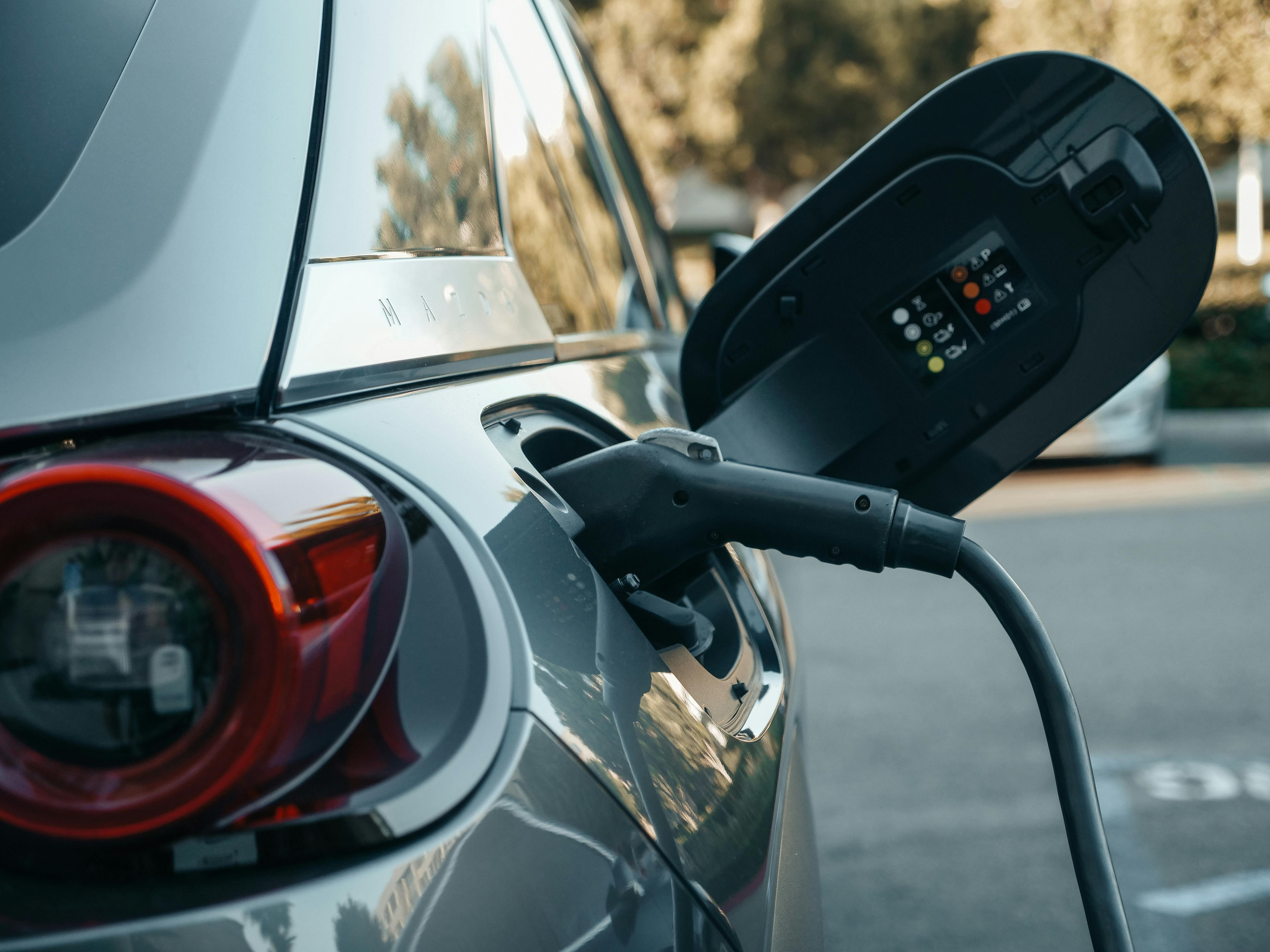
Bringing your first electric vehicle (EV) home is more than just driving it off the lot. It involves preparing your space for a smooth and worry-free transition. This means thinking about where you will park, how you will charge, and whether your current electrical system can handle the load. Planning helps you avoid last-minute shocks and ensures you can start enjoying your EV from day one.
In many cases, this preparation includes finding a trusted electrician. For this, you can perform a local search for something like “electrician near me.” A nearby electrician can help install or upgrade your home charging setup.
In this article, we’ll cover the major steps to prepare for your first electric vehicle and ensure a smooth transition.
Assess Your Home’s Electrical Capacity
To evaluate capacity, hire a licensed electrician to inspect your wiring, circuit panel, and available amperage. They can determine if upgrades, such as adding a dedicated Level 2 charging circuit, are needed.
As per the International Energy Agency, the voltage is 100-120V in regular domestic sockets in the US. This reduces the recharging speed and can be hazardous. In the US, where 83% of EV owners prefer charging their vehicles at home, they need to upgrade their power grid.
An upgraded and adequate system can prevent overloads, tripped breakers, or fire hazards. This step not only protects your home but also ensures faster, more reliable charging for your EV from day one.
Choose the Right Charging Solution
Your driving habits, budget, and home setup determine the right charging solution for your electric vehicle. Consider how far you typically drive, as frequent long trips may require a faster Level 2 charger.
According to the US Department of Transportation, EVs can be charged at various speeds using electric vehicle service equipment (EVSE). Level 1 chargers use a standard 120V outlet, take 40–50+ charging hours for a BEV to 80% and 5–6 hours for a PHEV. Level 2 chargers, using 240V or 208V service, charge a BEV in 4–10 hours and a PHEV in 1–2 hours.
Evaluate installation costs, compatibility with your vehicle, and available space for the charging unit. Also, factor in electricity rates, smart charging features, and potential rebates or incentives.
Plan for Charging Station Placement
Before bringing home your first electric vehicle, take time to plan where your charging station will be installed. Location matters for both convenience and long-term performance.
Table Mountain Electric recommends placing the charger somewhere safe, easily accessible, and protected from the elements to extend its lifespan and ensure reliable charging.
Popular spots include setting it up inside a garage, which offers optimal safety and convenience. Alternatively, it can be installed on an exterior wall near the driveway for quick access when parking outside. Another good option is a carport equipped with a weatherproof enclosure to shield the charger from rain, heat, and debris.
Considering parking proximity, accessibility, and weather protection ensures your EV is always ready to go.
Handle Permits and Installation Requirements
Many local authorities require permits to ensure the work meets electrical codes and safety standards. Start by checking your city or county regulations and coordinating with a licensed electrician familiar with EV setups.
The Alternative Fuels Data Center states that EV charging is classified as a continuous load by the National Electrical Code (NEC). Your contractor should follow NEC guidelines, especially Article 625, when installing equipment. Also, review your vehicle manufacturer’s recommendations to understand the required specifications before buying charging equipment.
Considering these needs early prevents uncertainties and ensures compliance. It guarantees your charging system is installed safely and legally.
Consider Energy Costs and Off-Peak Charging
Some utility providers offer cheaper rates during late-night or early-morning off-peak hours. By scheduling your EV to charge during these times, you can save money and reduce strain on the power grid.
The National Bureau of Economic Research states that the average home uses about 1 kWh/hour, and a Level 2 charger consumes 7–8 kWh. Widespread EV charging during peak demand could strain the grid and raise costs. Therefore, off-peak charging is essential for cost control and system reliability.
Use smart charger features or built-in vehicle settings to automate charging. This approach optimizes efficiency, cuts costs, and supports a more sustainable energy system.
Consider Future-Proofing Your Setup
Future-proofing your EV charging setup ensures it meets both current and future needs. As battery capacities grow and charging technology advances, a system that can handle higher power levels will save costly upgrades later.
Install a higher-capacity circuit, a charger with smart features, and leave space for additional units if you plan to own multiple EVs. This proactive approach guarantees long-term convenience, adaptability, and value, and makes your charging station ready for years of evolving technology.
Frequently Asked Questions
Do I need an electrical panel upgrade for using an EV charger?
You might need an electrical panel upgrade if your current panel can’t handle the added load of an EV charger, especially Level 2 models. Signs include frequent breaker trips or limited spare capacity. A licensed electrician can assess your setup and recommend upgrades for safe, efficient charging.
Can I charge my EV outside in bad weather?
Yes, you can charge outside in bad weather if your charger is rated for outdoor use and properly installed. Most EV chargers are weather-resistant and safe in rain or snow. Ensure the plug and cable remain in good condition, and follow manufacturer guidelines for safe operation.
Is a permit needed for installing EV chargers?
In most areas, a permit is required to install a home EV charger, especially Level 2 units. This ensures the work meets safety codes and electrical standards. Your electrician can help secure the necessary permits and arrange inspections to ensure a safe, compliant installation.
Powering Up for a Smooth EV Transition
Preparing your home before bringing your first electric vehicle ensures a safe, efficient, and stress-free experience. From assessing electrical capacity to choosing the right charger and handling permits, each step adds long-term value.
By proper planning, you’ll enjoy reliable charging, lower costs, and future-ready convenience. You will also make your shift to sustainable driving as smooth and rewarding as possible.
Buy Me A Coffee
The Havok Journal seeks to serve as a voice of the Veteran and First Responder communities through a focus on current affairs and articles of interest to the public in general, and the veteran community in particular. We strive to offer timely, current, and informative content, with the occasional piece focused on entertainment. We are continually expanding and striving to improve the readers’ experience.
© 2026 The Havok Journal
The Havok Journal welcomes re-posting of our original content as long as it is done in compliance with our Terms of Use.