Growing your own food changes the way you look at dinner. There is nothing quite like walking out to your backyard and pulling fresh ingredients straight from the dirt. Keeping a homestead plot productive takes a lot of effort and constant monitoring.
Tiny invaders can show up overnight and wipe out your hard work before you even notice them. Protecting your investment means staying ahead of the local wildlife. Small insects and slimy intruders love a backyard garden just as much as you do. Learning how to defend your space is the secret to a great harvest.
The Reality of Homestead Pest Pressure
Every small farm faces some level of pest pressure throughout the growing season. Tiny insects chew through roots while larger critters might take a bite out of ripening fruit. Leaving your plot completely unprotected is an invitation for disaster.
Building a defensive strategy helps you identify problems before they turn into full-scale infestations. You must spend time walking your rows every day to look for early warning signs. Catching a problem early makes it much easier to handle without using harsh methods.
Spotting Slugs and Snails Early
Slimy pests are among the most destructive forces in a backyard patch. You will often notice their damage long before you see the actual creatures. They leave behind telltale tracks that catch the light in the early morning.
If you notice your leafy greens disappearing overnight, you might need to bring in professional help. Utilizing reliable snail pest control services can save your vulnerable plants from total destruction before the season ends. Expert intervention stops the breeding cycle in your soil completely.
Why Moisture Management Matters
Slugs and snails require very moist environments to survive and move across your property. If your soil stays damp all day and night, you are creating a perfect paradise for them. Adjusting your watering routine is the simplest way to make your backyard less attractive to these specific invaders.
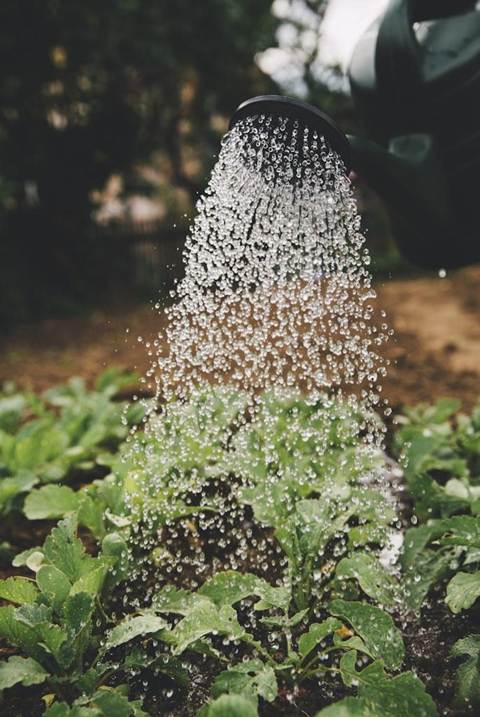
One helpful tip is to change when you run your hoses. Watering your garden in the morning allows the soil to dry during the day, making it less attractive to snails. This simple shift deprives them of the slick highways they need to navigate your garden bed.
Strategic Plant Selection and Timing
Some crops invite trouble more than others. Because snails and slugs favor seedlings and plants with succulent foliage, you will need to vigilantly protect them. Choosing tougher varieties or letting plants grow larger before moving them outside can reduce loss.
- Young snails and slugs skeletonise leaves, older ones chew holes.
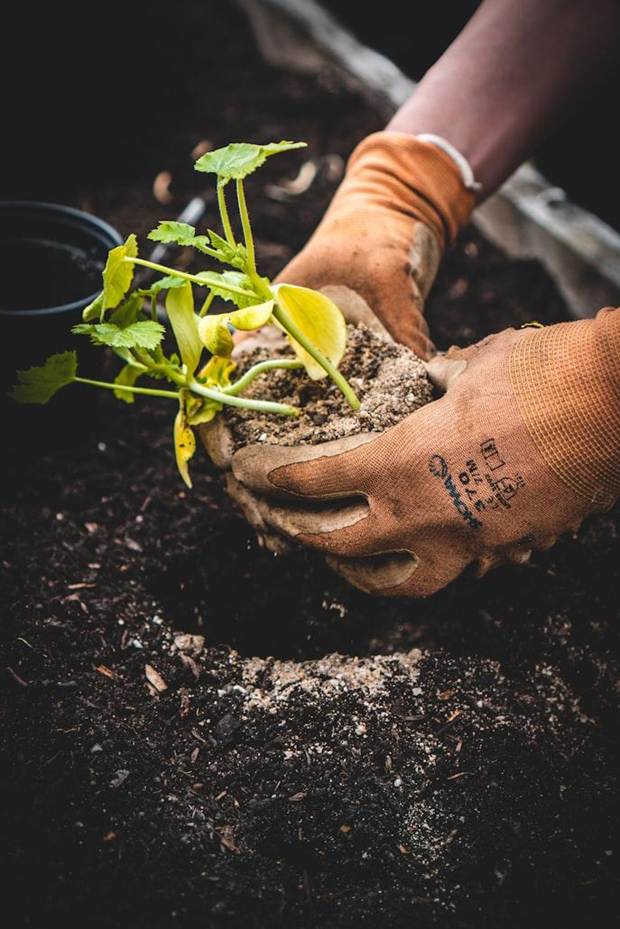
- Transplant sturdy plantlets grown in pots rather than young, vulnerable seedlings.
- Adding a layer of gravel, mulch, or sharp sand to your garden will deter the movement of slugs and snails throughout your garden and send them packing.
Giving your crops a head start indoors allows them to build up their natural defenses. Stronger stems can handle a little bit of chewing without falling over and dying. This technique gives your homestead a major advantage during the damp spring months.
Hidden Health Concerns in the Dirt
Pests do more than just ruin your dinner plans. An informational article pointed out that certain snail species carry parasites that can pose health risks to humans. Keeping their numbers low protects the health of your family and your pets.
Always wash your harvest thoroughly under running water before cooking or serving it. Wear gloves if you are removing large populations by hand in the evening. Clean practices keep your homestead safe and hygienic from the field to the table.
Safer Chemical Alternatives for Backyards
Sometimes manual removal and physical barriers are not enough to stop a massive invasion. When you need to turn to commercial products, look for formulas that target the pest without hurting the surrounding environment.
Many homeowners prefer baits that break down naturally into the earth. Products containing iron phosphate are a much safer option for most fruit and vegetable plants in the garden. These baits stop the pests from feeding without leaving harsh chemical residues in your food.
Creating Long-Term Physical Barriers
You can use the texture of your ground cover to slow down invading critters. Rough surfaces act like tiny razor blades to soft-bodied pests. Creating a perimeter of scratchy materials keeps your beds secure.
- Copper tape creates a small natural electric charge that deters crawling pests.
- Crushed eggshells provide a sharp barrier that protects individual stems.
- Diatomaceous earth works well as long as the weather stays completely dry.
Reapplying these barriers after a heavy rain is necessary to maintain your defense. Combining multiple physical tactics creates a layered shield around your high-value crops. Consistency is key to knocking down a large population over time.
Maintaining a thriving backyard plot takes consistent effort and a watchful eye. By managing moisture, building physical barriers, and using targeted treatments, you can keep your crops safe all year. Your dinner table will thank you for the extra protection.
Buy Me A Coffee
The Havok Journal seeks to serve as a voice of the Veteran and First Responder communities through a focus on current affairs and articles of interest to the public in general, and the veteran community in particular. We strive to offer timely, current, and informative content, with the occasional piece focused on entertainment. We are continually expanding and striving to improve the readers’ experience.
© 2026 The Havok Journal
The Havok Journal welcomes re-posting of our original content as long as it is done in compliance with our Terms of Use.


