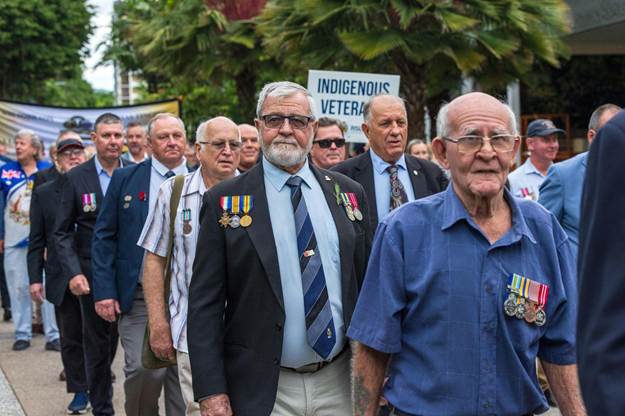
Military service develops discipline, resilience, and the ability to perform under demanding conditions. Those qualities don’t disappear after active duty ends, but maintaining physical and mental performance in civilian life requires a different approach. Without the structured schedules of military service, veterans often find that long-term well-being depends on habits they intentionally build for themselves.
The most successful transitions rarely happen because of one major change. Instead, they result from consistent routines that support physical health, mental resilience, and a renewed sense of purpose. Veterans who continue performing at a high level often discover that recovery isn’t simply about resting, it’s about creating habits that allow them to remain strong for years to come.
Recovery Begins With Consistent Daily Routines
During military service, routines are built into everyday life. Training, meals, physical activity, and responsibilities follow predictable schedules. After leaving active duty, creating that same consistency becomes a personal responsibility.
Many veterans establish structured mornings, regular exercise, planned meals, and dedicated time for recovery because predictable routines reduce unnecessary stress while providing direction throughout the day. Some also explore alternatives to long-standing nicotine habits by researching products such as 4mg nicotine pouches for sale while considering different personal approaches to nicotine use. Whatever choices individuals make, consistency in daily habits often plays a far greater role in long-term well-being than occasional bursts of motivation.
Small routines repeated every day frequently become the foundation for lasting resilience.
Physical Fitness Changes With Age
Many veterans remain committed to exercise long after leaving the military, but their training often evolves over time. Rather than focusing exclusively on high-intensity performance, many begin prioritizing mobility, joint health, flexibility, cardiovascular fitness, and recovery.
Walking, strength training, swimming, cycling, and stretching allow many former service members to stay active while reducing unnecessary wear on the body. Listening to physical limitations becomes increasingly important, helping prevent injuries that could interfere with long-term health.
Remaining active doesn’t always require training harder, it often means training smarter.
Strong Support Networks Improve Long-Term Resilience
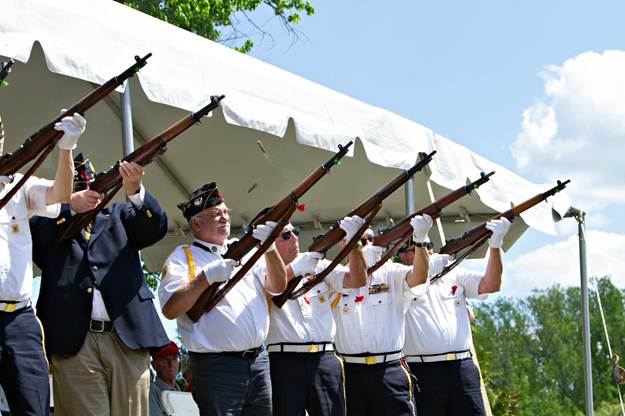
Military life naturally creates close relationships built on trust and shared experiences. After active duty, maintaining meaningful connections continues to play an important role in overall well-being.
Many veterans stay involved with community organizations, veteran groups, volunteer work, recreational sports, or mentoring opportunities. These relationships provide encouragement, accountability, and opportunities to share experiences with people who understand similar challenges.
Strong social connections often become just as valuable as physical fitness when adapting to civilian life.
Recovery Includes Mental Well-Being
Physical recovery is only one part of maintaining performance. Mental recovery also deserves regular attention, especially after years spent operating in demanding environments.
Many veterans intentionally create time for hobbies, outdoor activities, learning new skills, spending time with family, or pursuing meaningful goals outside work. These activities help reduce stress while reinforcing a sense of purpose that continues evolving after military service.
Seeking support when needed should also be viewed as part of maintaining overall health rather than a sign of weakness. Building resilience often includes recognizing when additional guidance can be beneficial.
Long-Term Performance Is Built One Day at a Time
The habits that support veterans after active duty are rarely dramatic. They’re the ordinary decisions repeated consistently over months and years, staying active, maintaining routines, building healthy relationships, managing stress, and continuing to develop personally.
Military service teaches discipline under challenging conditions. Civilian life offers the opportunity to apply that discipline in new ways that support health, family, career, and community. Recovery isn’t about returning to the past; it’s about creating routines that allow veterans to continue performing at a high level while adapting successfully to the next stage of life.
Long-term resilience is rarely the result of one decision. It’s built through small, consistent habits that continue strengthening both body and mind long after active duty has ended.
Buy Me A Coffee
The Havok Journal seeks to serve as a voice of the Veteran and First Responder communities through a focus on current affairs and articles of interest to the public in general, and the veteran community in particular. We strive to offer timely, current, and informative content, with the occasional piece focused on entertainment. We are continually expanding and striving to improve the readers’ experience.
© 2026 The Havok Journal
The Havok Journal welcomes re-posting of our original content as long as it is done in compliance with our Terms of Use.