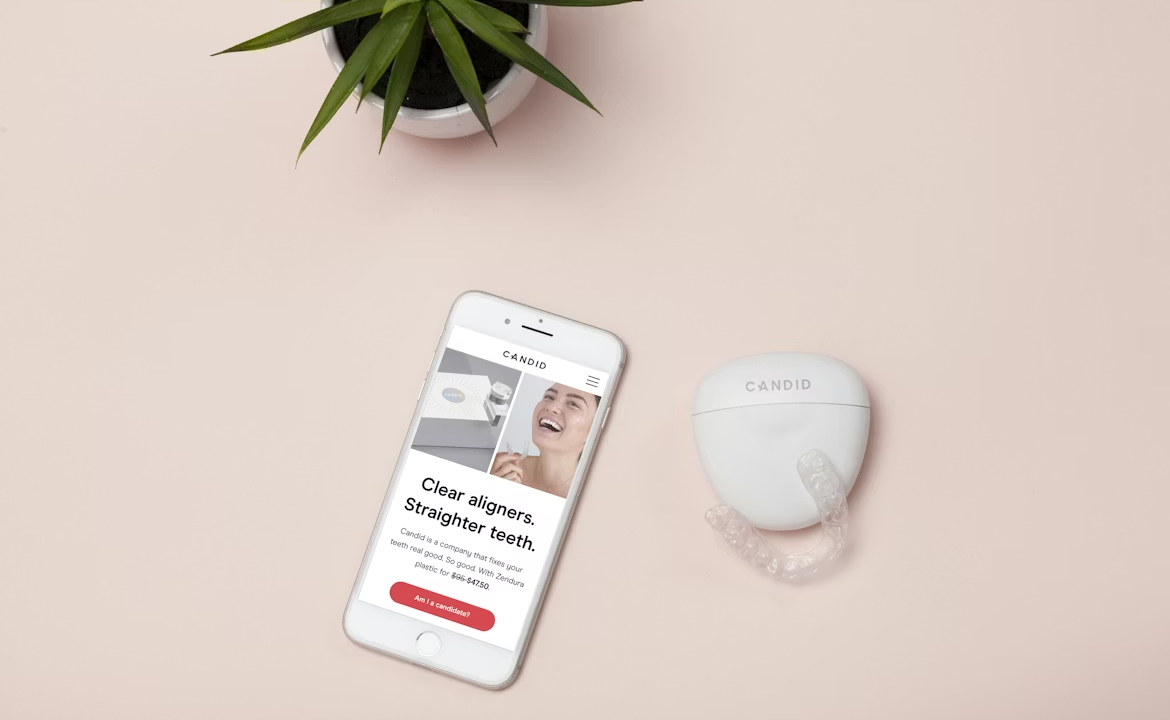
According to the American Association of Orthodontists’ 2024 patient survey, over 70% of adults now consider clear aligners their preferred orthodontic treatment — a dramatic shift from just a decade ago when traditional braces dominated the landscape. This surge reflects not just changing aesthetics preferences, but growing awareness of how modern orthodontic technology can fit seamlessly into professional and social lives. For residents of Woodcliff Lake, where maintaining a polished appearance often intersects with career demands and active family schedules, understanding exactly how Invisalign works has become essential for making informed dental health decisions. The treatment process involves far more than simply wearing clear plastic trays — it’s a precisely orchestrated sequence of controlled tooth movements, patient compliance factors, and technological innovations that determine whether results meet expectations or fall short of the investment.
How Does Invisalign Treatment Work Step by Step?
The Invisalign process begins with digital impressions that create a three-dimensional model of your current tooth positions and jaw alignment. Unlike traditional molds that required messy putty, modern intraoral scanners capture thousands of data points within minutes, allowing orthodontists to map even subtle irregularities that affect treatment planning. This digital model becomes the foundation for predictive software that calculates the precise movements needed to achieve your target smile.
Your orthodontist uses this data to design a treatment sequence, typically involving 20-50 custom aligners depending on case complexity. Each aligner represents a specific stage in your tooth movement journey, designed to shift teeth approximately 0.25 millimeters over a two-week period. The aligners apply controlled pressure to specific teeth while allowing others to remain stable, creating the gradual repositioning that characterizes successful orthodontic treatment.
The treatment timeline varies significantly based on individual factors. Minor crowding might resolve within 6-8 months, while complex cases involving significant rotation or bite correction can extend 18-24 months. During this period, you’ll typically visit your orthodontist every 6-8 weeks to monitor progress and receive your next set of aligners. These check-ups also allow for mid-treatment adjustments — if teeth aren’t moving as predicted, additional aligners can be ordered to keep treatment on track.
What distinguishes Invisalign from other orthodontic approaches is the predictability built into the process. The digital treatment plan shows your projected final results before you even receive your first aligner, though achieving those results depends heavily on factors beyond the technology itself.
What Factors Influence Invisalign Treatment Success?
Treatment success hinges on variables that extend far beyond the sophistication of the aligners themselves. Understanding these factors helps set realistic expectations and identifies where patients have the most control over their outcomes.
The complexity of your orthodontic issues plays the primary role in determining both treatment duration and final results. Invisalign excels with mild to moderate spacing, crowding, and minor bite irregularities, but struggles with severe rotations, significant vertical tooth movements, or cases requiring substantial jaw repositioning. Teeth with short roots, unusual shapes, or previous dental work may not respond as predictably to aligner pressure, potentially requiring hybrid approaches that combine clear aligners with traditional orthodontic appliances.
Your age and dental health status also influence treatment effectiveness. Younger patients typically see faster movement since their bone tissue responds more readily to orthodontic pressure, while adults may need longer treatment periods as bone remodeling slows with age. Pre-existing gum disease or bone loss can compromise tooth stability during movement, making some cases unsuitable for clear aligner therapy until underlying periodontal issues are addressed.
How Patient Compliance Affects Results
Compliance represents the single most critical factor in Invisalign success — and the area where patients have complete control. The standard recommendation requires wearing aligners 20-22 hours daily, removing them only for eating, drinking anything other than water, and oral hygiene routines. This seemingly simple requirement challenges many patients more than they anticipate.
Research from orthodontic practices tracking compliance through built-in aligner sensors shows that patients who consistently meet the 20-hour threshold complete treatment 30-40% faster than those averaging 16-18 hours daily. The difference compounds over time: missing just four hours daily can extend a 12-month treatment plan to 16-18 months, while also compromising final alignment quality.
The most common compliance pitfalls involve social situations and convenience factors. Patients often underestimate how removing aligners for extended meals, social drinking, or snacking disrupts the continuous pressure needed for tooth movement. Business lunches that stretch two hours, evening events with multiple courses, or frequent coffee breaks throughout the day can significantly impact wear time without patients realizing the cumulative effect.
Successful patients develop specific strategies to maintain compliance: carrying aligner cases to avoid loss, timing meals more strategically, and using smartphone apps to track wear time. Some orthodontists now provide aligners with compliance indicators that show whether patients are meeting their wear requirements between appointments.
Severity of Orthodontic Issues and Suitability
Not all orthodontic problems respond equally well to clear aligner therapy, and understanding these limitations prevents disappointment and wasted time. Invisalign works most effectively for horizontal tooth movements — closing gaps, relieving mild crowding, and minor rotations of front teeth. The technology has evolved to handle increasingly complex cases, but certain movements remain challenging or impossible with removable aligners alone.
Severe rotations, particularly of canine teeth or premolars, often require traditional braces or hybrid treatment approaches. The smooth plastic surface of aligners cannot generate the same rotational forces as brackets bonded directly to teeth, especially for teeth with rounded roots that resist twisting movements. Similarly, significant vertical movements — pulling impacted teeth into position or intruding overerupted teeth — typically exceed what clear aligners can accomplish effectively.
Bite correction presents another complexity spectrum. Minor overbites or underbites often respond well to Invisalign, but cases requiring substantial jaw repositioning may need surgical intervention or comprehensive traditional orthodontics. Your orthodontist evaluates these factors during initial consultation, sometimes recommending alternative treatments or combination approaches that begin with traditional appliances before transitioning to clear aligners for final refinements.
The key lies in honest assessment: patients whose cases fall outside Invisalign’s optimal range often achieve better results with appropriate alternative treatments rather than attempting to stretch clear aligner technology beyond its effective limitations.
How Does Invisalign Compare to Traditional Braces?
The choice between Invisalign and traditional braces involves weighing aesthetic preferences against treatment capabilities, with practical considerations often determining the better fit for individual situations.
Aesthetics represent Invisalign’s most obvious advantage, making the treatment virtually invisible during professional interactions and social situations. The clear plastic aligners blend with natural tooth color, avoiding the metallic appearance that makes traditional braces immediately noticeable. For adults in client-facing roles or teenagers concerned about self-image, this discretion can significantly impact treatment acceptance and satisfaction.
However, comfort comparisons prove more nuanced than many patients expect. While Invisalign eliminates the bracket and wire irritation that characterizes the first weeks with traditional braces, the tight-fitting aligners create their own discomfort patterns. New aligners often cause soreness and pressure for the first 2-3 days of each two-week cycle, and the plastic edges can irritate tongue and cheek tissues until patients adapt. Traditional braces, once the initial adjustment period passes, typically cause less day-to-day discomfort since they don’t change every two weeks.
Treatment duration varies significantly by case type. Simple spacing and mild crowding cases often resolve faster with Invisalign, sometimes completing treatment 3-6 months sooner than traditional braces. Complex cases requiring significant tooth rotation or bite correction may actually take longer with clear aligners, as the technology works through smaller incremental movements compared to the more aggressive forces possible with bonded brackets.
The lifestyle impact differs substantially between approaches. Invisalign allows normal eating and drinking since aligners remove for meals, eliminating dietary restrictions that accompany traditional braces. However, the frequent removal and replacement routine requires discipline and planning that some patients find more burdensome than the “set it and forget it” nature of fixed braces. The need for meticulous oral hygiene before replacing aligners after every meal can complicate busy schedules, particularly for professionals with unpredictable work demands.
Cost differences typically favor traditional braces by $1,000-$2,000 for comparable cases, though insurance coverage varies and many practices offer financing options that minimize upfront payment disparities. The deciding factor often comes down to lifestyle priorities and case suitability rather than pure economics.
How Does Invisalign Treatment Differ for Teens and Adults?
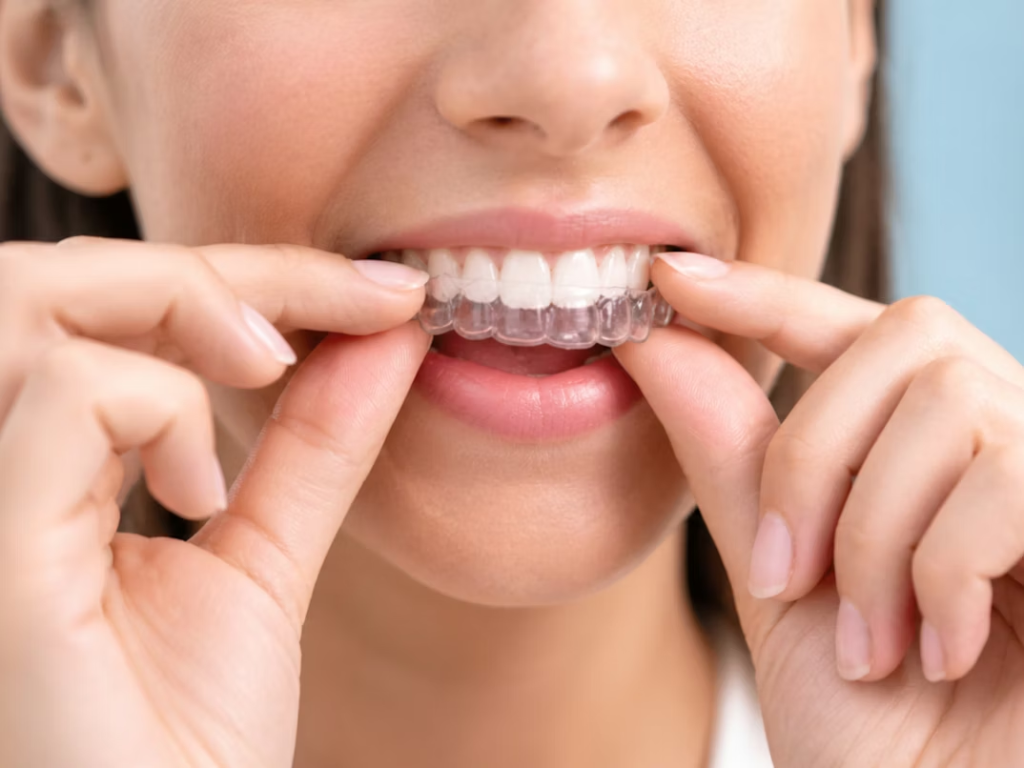
Age-related factors create distinct treatment considerations that influence both the approach orthodontists take and the results patients can expect from clear aligner therapy.
Adult treatment typically focuses on specific aesthetic concerns rather than comprehensive bite correction, often targeting front teeth alignment for improved smile appearance. Adult bone tissue responds more slowly to orthodontic pressure, extending treatment timelines but also providing more stable long-term results once active treatment concludes. Many adults have previous dental work — crowns, bridges, or extensive fillings — that can complicate tooth movement and require treatment plan modifications.
Adult compliance rates generally exceed teen averages due to self-motivation and understanding of treatment investment, but work schedules and social obligations can create their own challenges. Business travel, client dinners, and professional networking events require planning around aligner wear requirements. Additionally, adults often have unrealistic timeline expectations, assuming their maturity will accelerate treatment when biological factors actually slow the process compared to teenage patients.
Unique Considerations for Teen Patients
Teenage Invisalign treatment must account for ongoing dental development, particularly the eruption of wisdom teeth and completion of root development in permanent teeth. Orthodontists often monitor these changes more closely in teen patients, as erupting teeth can affect treatment plans and final alignment outcomes.
The social dynamics of teenage life create specific compliance challenges despite the aesthetic advantages clear aligners provide. Peer pressure situations — parties, school events, or dating scenarios — can tempt teens to remove aligners for extended periods. Additionally, the responsibility of managing aligner care, cleaning routines, and not losing aligners during school activities requires maturity levels that vary significantly among teenagers.
Many orthodontists incorporate compliance monitoring more intensively for teen patients, using aligners with built-in wear indicators or scheduling more frequent check-ups to ensure treatment stays on track. Some practices require parental involvement in tracking wear time, particularly during the initial adjustment months when compliance habits form.
The rapid tooth movement possible during teenage years often allows for shorter treatment duration when compliance remains consistent. However, the same growth factors that accelerate movement can also create instability, making retention protocols especially critical for maintaining results through the completion of facial development.
Differences in Adult Invisalign Treatment
Adult treatment requires more conservative force levels and longer intervals between aligner changes to accommodate slower bone remodeling rates. What might be a 12-month treatment plan for a teenager often extends to 15-18 months for an adult with similar alignment issues, though the final results typically prove more stable due to mature bone structure.
Adult patients frequently present with complex medical histories that influence treatment planning. Medications for blood pressure, depression, or hormonal conditions can affect tooth movement rates and tissue response to orthodontic pressure. Previous orthodontic treatment creates additional considerations, as teeth that have moved before may require different force applications or longer retention periods to prevent relapse.
Professional and social considerations often drive adult treatment decisions more than clinical necessity. The ability to remove aligners for important presentations, client meetings, or social events provides flexibility that fixed braces cannot match. However, adults may also struggle with the discipline required for consistent wear, particularly when work demands create irregular eating schedules or extended business meals.
Treatment goals for adults typically focus on specific problem areas rather than comprehensive bite correction, allowing for targeted approaches that address primary aesthetic concerns while avoiding unnecessary complexity. This focused treatment philosophy often results in shorter timelines despite slower biological response rates.
What Is Daily Life Like During Invisalign Treatment?
Living with Invisalign requires establishing new routines around the constant presence of aligners, transforming everyday activities like eating, drinking, and social interactions into planned events that consider clear aligner treatment options and their impact on daily schedules.
The eating routine becomes significantly more structured than most patients anticipate. Every meal or snack requires removing aligners, cleaning teeth thoroughly, and replacing aligners — a process that takes 5-10 minutes minimum. This routine eliminates casual snacking and requires planning around social eating situations. Coffee breaks need timing considerations since aligners must be removed for anything other than plain water, and the cleaning requirement afterward can complicate busy work schedules.
Sleep adjustment typically occurs within the first week, though some patients experience temporary changes in speech patterns as their tongue adapts to the aligner presence. Most speech effects resolve within 3-5 days, but individuals in speaking-intensive professions should plan accordingly when starting new aligner stages. The plastic material can initially increase saliva production and create a slight lisp, particularly with aligners designed to correct significant spacing issues.
Social situations require advance planning and discrete management strategies. Carrying aligner cases prevents loss during meals, while portable cleaning supplies enable proper hygiene before replacement. Many patients develop techniques for removing and replacing aligners discretely, though the process is never completely invisible to close observers.
Physical discomfort follows predictable patterns throughout treatment. New aligners typically create 2-3 days of pressure and soreness as teeth begin moving, followed by 10-11 days of minimal discomfort before the cycle repeats with the next aligner set. Over-the-counter pain relievers effectively manage most discomfort, though some patients find cold foods soothing during the initial days of each new aligner.
The maintenance routine proves more demanding than traditional braces in some respects. Aligners require cleaning every time they’re removed, using specialized cleaning crystals or gentle antibacterial soap to prevent bacterial buildup and odor development. Poor aligner hygiene can lead to tooth decay or gum irritation, making consistent cleaning protocols essential for treatment success and oral health maintenance.
Most patients report that the routine becomes second nature within 4-6 weeks, though maintaining discipline during social events, travel, or stressful periods requires ongoing attention. The removable nature that provides Invisalign’s primary advantage also creates its biggest compliance challenge — the constant choice between convenience and treatment effectiveness that ultimately determines whether the investment delivers expected results.
Buy Me A Coffee
The Havok Journal seeks to serve as a voice of the Veteran and First Responder communities through a focus on current affairs and articles of interest to the public in general, and the veteran community in particular. We strive to offer timely, current, and informative content, with the occasional piece focused on entertainment. We are continually expanding and striving to improve the readers’ experience.
© 2026 The Havok Journal
The Havok Journal welcomes re-posting of our original content as long as it is done in compliance with our Terms of Use.


