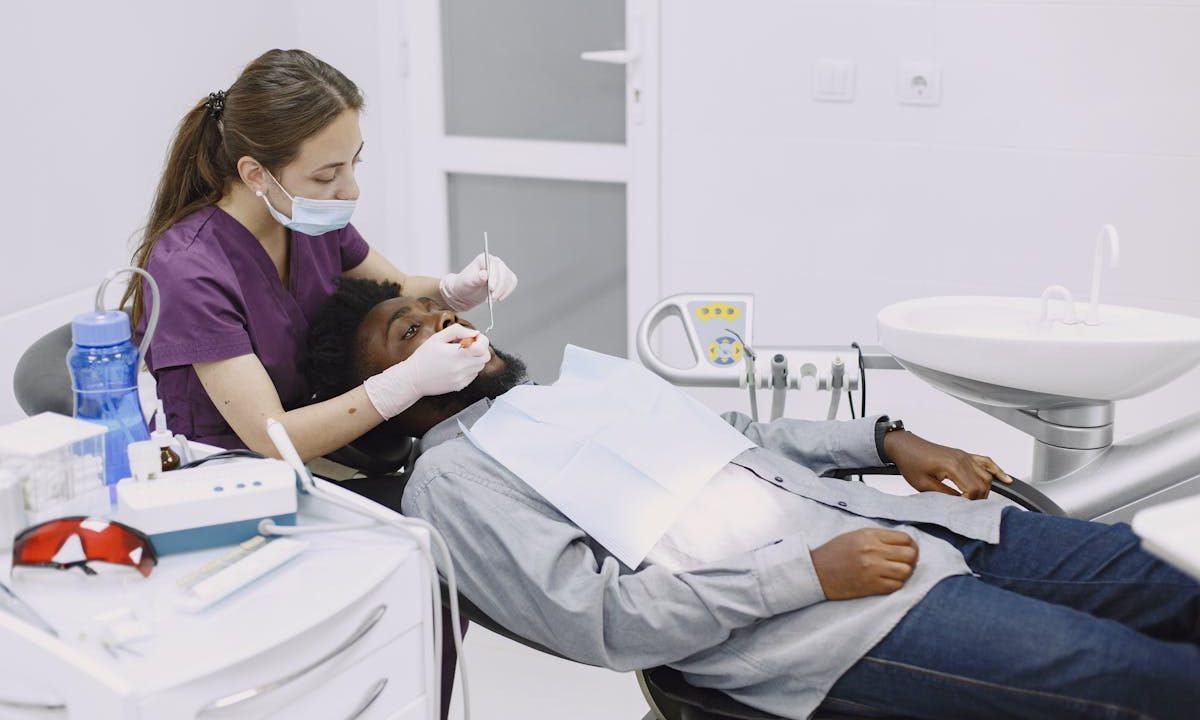
According to the American Dental Association’s 2023 clinical outcomes report, dental implants maintain a 95% success rate over 10 years — yet the 5% that fail often do so with warning signs that patients initially dismiss as temporary discomfort. As implant technology advances and more Americans choose this permanent tooth replacement option, the ability to distinguish between normal healing and genuine failure has become increasingly critical for long-term oral health.
The challenge isn’t just recognizing symptoms — it’s understanding that implant failure can occur months or even years after the initial procedure feels successful. Unlike natural teeth that signal problems through nerve pain, implants rely on surrounding tissue health for stability, making early detection more subtle but no less important. For the estimated 3 million Americans currently living with dental implants, knowing what to watch for can mean the difference between a simple intervention and complete implant loss.
The signs we’ll explore here represent your implant’s communication system — the ways your mouth signals when something has shifted in the delicate balance that keeps these titanium posts functioning like natural tooth roots.
What Are the Early Warning Signs of Dental Implant Failure
The first red flag many patients notice isn’t dramatic pain — it’s a subtle shift in how their implant feels during normal activities. Persistent discomfort when chewing, especially pressure-sensitive pain that wasn’t present during the initial healing period, often signals that the implant’s integration with surrounding bone has become compromised. This discomfort typically differs from the acute pain of the first few weeks post-surgery; instead, it presents as a dull ache that worsens with use.
Implant mobility represents perhaps the most definitive early warning sign, though it requires careful attention to detect. A healthy implant should feel as stable as a natural tooth root — completely immovable under normal chewing forces. If you can detect any wiggling, shifting, or give when pressing on the crown with your tongue or finger, the implant has lost crucial bone support. Many patients describe this sensation as feeling like the tooth is “floating” or not quite anchored properly.
Visual symptoms often accompany these functional changes. Swelling and inflammation around the implant site, particularly if it persists beyond the normal healing timeline or reappears months after placement, indicates active infection or tissue rejection. The gum tissue around a failing implant frequently appears red, puffy, or begins pulling away from the implant post, creating pockets where bacteria can accumulate. Some patients notice bleeding during brushing or flossing around the implant — something that shouldn’t occur once the tissue has fully healed around the post.
A persistent metallic taste or recurring bad breath localized around the implant site often signals bacterial infection within the tissue pocket. This occurs when the seal between the implant and gum breaks down, allowing bacteria to colonize the space and produce the sulfur compounds responsible for the unpleasant taste and odor. Unlike temporary breath issues that resolve with better oral hygiene, implant-related bad breath tends to persist despite thorough cleaning.
What Causes Dental Implants to Fail and What Increases Risk
Common Biological and Mechanical Causes
Peri-implantitis stands as the leading cause of late implant failure, essentially functioning as gum disease specific to implant sites. This bacterial infection attacks the soft tissues and bone surrounding the implant, gradually destroying the foundation that keeps the post stable. Unlike periodontal disease around natural teeth, peri-implantitis tends to progress more rapidly and aggressively because implants lack the natural biological defenses that tooth roots possess.
The process of osseointegration failure — when bone tissue fails to properly fuse with the implant surface — can occur either immediately after placement or develop gradually over time. Early osseointegration failure often results from contamination during surgery, inadequate bone density at the implant site, or premature loading before the bone has had sufficient time to integrate. Late osseointegration failure typically involves the gradual loss of previously established bone contact, often triggered by infection or mechanical overloading.
Insufficient bone support creates a foundation problem that may not manifest immediately but becomes apparent as the implant bears normal chewing forces over time. When the jawbone lacks adequate density, height, or width to fully support the implant, micro-movements can develop that prevent proper healing and eventually lead to complete failure. This issue particularly affects patients who waited extended periods between tooth loss and implant placement, allowing natural bone resorption to compromise the implant site.
Patient and Lifestyle Risk Factors
Smoking dramatically increases implant failure rates by restricting blood flow to the healing tissues and impairing the body’s natural infection-fighting capabilities. Nicotine causes blood vessels to constrict, reducing the oxygen and nutrients necessary for proper bone integration around the implant post. Research consistently shows that smokers face failure rates nearly double those of non-smokers, with the risk remaining elevated even years after implant placement.
Pre-existing gum disease creates an inflammatory environment that can spread to implant sites, even after the original infected teeth have been removed. Patients with a history of aggressive periodontitis often carry higher levels of destructive bacteria in their mouths, making them more susceptible to peri-implantitis. The same genetic and immune factors that made them vulnerable to natural tooth loss continue to threaten implant stability.
Systemic health conditions like diabetes, autoimmune disorders, and osteoporosis can significantly impact implant success by affecting either bone formation or the body’s ability to fight infection. Uncontrolled diabetes impairs wound healing and increases infection risk, while medications for osteoporosis can interfere with the bone remodeling process essential for implant integration. Patients taking blood thinners or steroids face additional challenges that require careful monitoring and possible medication adjustments during the implant process.
How Do Professionals Diagnose Dental Implant Failure
Dental professionals rely on a combination of clinical mobility tests and diagnostic imaging to distinguish between normal settling and genuine failure. The primary assessment involves applying controlled pressure to the implant crown from multiple directions — a stable implant should show zero movement under forces that would normally be absorbed during chewing. Dentists measure this mobility using specialized instruments that can detect movement as small as 0.1 millimeters, with any detectable motion indicating loss of bone support.
Radiographic evaluation provides the most definitive evidence of implant failure by revealing bone loss patterns around the implant threads. X-rays taken at regular intervals show the progressive changes in bone density and height that occur as peri-implantitis advances or osseointegration fails. Digital imaging allows practitioners to compare current bone levels with baseline measurements taken immediately after implant placement, creating a clear timeline of any deterioration.
Periodontal probing around implant sites helps identify infection and tissue breakdown that may not be visible on X-rays. Unlike natural teeth, healthy implants should have minimal probing depths — typically 1-3 millimeters — with no bleeding upon gentle probing. When pockets exceed 5-6 millimeters or show active bleeding and pus discharge, bacterial infection has likely compromised the implant’s tissue seal. Modern dental offices often incorporate bacterial testing to identify specific pathogens responsible for implant site infections, allowing for more targeted antibiotic treatment when appropriate.
Some practitioners use resonance frequency analysis — a technique that measures implant stability by analyzing vibration patterns when the implant is tapped with a specialized instrument. This non-invasive test provides objective data about the bone-implant interface quality, particularly useful for monitoring implants during the early healing phase or when subtle mobility is suspected but not clinically obvious.
What To Do If You Suspect Implant Failure and How to Prevent It
Immediate Actions When Signs Appear
The window for salvaging a failing implant often depends on how quickly you seek professional evaluation once symptoms appear. Contact your dental provider immediately if you notice any combination of the warning signs discussed — mobility, persistent pain, swelling, or unusual taste around the implant site. Many implant complications can be successfully treated if caught early, but delayed intervention often leads to complete implant loss and more complex reconstruction procedures.
Avoid applying additional pressure to the suspected failing implant while waiting for your appointment. This means temporarily modifying your diet to include softer foods and being extra gentle during oral hygiene around the affected area. However, don’t abandon cleaning the area entirely — gentle brushing and rinsing with an antimicrobial mouthwash can help prevent additional bacterial accumulation that might accelerate the failure process.
Document any changes you notice, including when symptoms first appeared and whether they’ve worsened over time. Take photos of visible swelling or gum changes if possible, as these can help your dental team assess the progression rate and determine the most appropriate intervention. Many patients benefit from keeping a simple symptom log noting pain levels, swelling, or other changes from day to day.
Long-Term Preventive Care Tips
Meticulous oral hygiene remains the most effective strategy for preventing implant complications, though the techniques differ slightly from natural tooth care. Use a soft-bristled toothbrush and non-abrasive toothpaste to clean around implant crowns, paying particular attention to the gum line where bacteria tend to accumulate. Consider investing in affordable zirconia dental implants for future replacements, as these newer materials show promising resistance to bacterial adhesion compared to traditional titanium options.
Regular professional maintenance typically involves cleanings every 3-4 months rather than the standard six-month schedule recommended for natural teeth. These appointments allow your hygienist to use specialized instruments designed for implant surfaces and enable early detection of any developing problems. Professional monitoring should include periodic X-rays to track bone levels and clinical assessments of implant stability.
Lifestyle modifications that support overall oral health become even more critical for implant patients. If you smoke, cessation programs can significantly improve your long-term implant prognosis — even patients who quit after implant placement see improved outcomes compared to continued smokers. Managing systemic conditions like diabetes through proper medical care helps maintain the healthy inflammatory response necessary for continued implant success.
The reality is that most implant failures are preventable through consistent care and early intervention when problems first appear. Your implant’s longevity depends less on the technology that placed it and more on the daily decisions you make about cleaning, maintenance, and seeking help when something doesn’t feel right. Pay attention to the subtle changes your mouth communicates — they’re often your earliest opportunity to preserve an investment that should last decades with proper care.
Buy Me A Coffee
The Havok Journal seeks to serve as a voice of the Veteran and First Responder communities through a focus on current affairs and articles of interest to the public in general, and the veteran community in particular. We strive to offer timely, current, and informative content, with the occasional piece focused on entertainment. We are continually expanding and striving to improve the readers’ experience.
© 2026 The Havok Journal
The Havok Journal welcomes re-posting of our original content as long as it is done in compliance with our Terms of Use.


