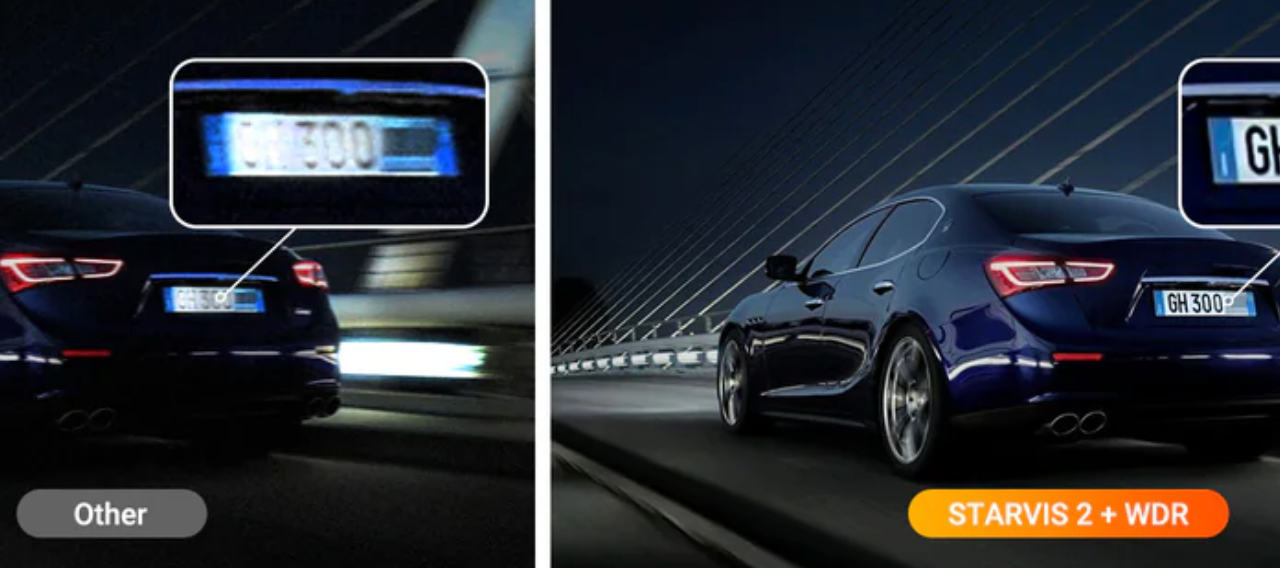
Have you ever reviewed dash cam footage only to find blurry plates, poor night visibility, or washed-out details? That frustration often comes down to one critical component: the image sensor. While resolution numbers like 1080p or 4K get most of the attention, the real driver of video quality is what happens behind the lens.
If you are searching for the best camera dash cam, understanding how image sensors work can help you make a smarter choice. Image sensors determine how well your dash cam captures light, handles motion, and records detail in real-world driving conditions. This matters more than ever as roads become busier and documentation becomes essential for safety and accountability.
This guide breaks down how image sensors affect footage quality and what you should look for when choosing the right device.
What Is an Image Sensor and Why Does It Matter
An image sensor is the core component inside a dash cam that converts light into a digital image. Think of it as the “eye” of your device. The better the sensor, the clearer and more accurate your footage will be.
Key Functions of an Image Sensor
- Captures light from the lens
- Converts light into electrical signals
- Processes image data into video frames
A high-quality sensor ensures that:
- Details like license plates are readable
- Colors appear natural
- Motion is captured smoothly
- Low-light scenes remain visible
When comparing models, many people focus on resolution alone. However, a 4K dash cam with a weak sensor may still produce poor results. That is why the sensor plays a larger role than most drivers expect.
How Image Sensors Affect Video Quality
1. Light Sensitivity and Exposure
Light sensitivity determines how well your dash cam performs in different lighting conditions.
A strong sensor can:
- Capture more light in dark environments
- Reduce overexposure during bright daylight
- Balance shadows and highlights effectively
This is especially important for night driving, tunnels, and rainy conditions. A dash cam with poor light sensitivity may produce grainy or overly dark footage, making it difficult to identify important details.
2. Dynamic Range
Dynamic range refers to the sensor’s ability to capture both bright and dark areas in the same frame.
For example, when you are driving toward the sun, your dash cam needs to balance:
- Bright sky
- Dark road
- Shadowed vehicles
A good sensor prevents:
- Washed-out highlights
- Completely black shadows
This results in more balanced and usable footage.
Sensor Size and Its Impact on Clarity
Sensor size plays a major role in determining image quality. Larger sensors can capture more light, which leads to clearer and sharper images.
Benefits of Larger Sensors
- Better low-light performance
- Reduced noise or grain
- Improved detail capture
- More accurate color reproduction
Smaller Sensors Limitations
- Struggle in low light
- Higher noise levels
- Reduced detail in shadows
If your goal is to find the best camera dash cam, prioritizing a larger sensor is one of the smartest decisions you can make.
Resolution vs Sensor Quality
Many drivers assume that higher resolution automatically means better footage. While resolution matters, it is only one piece of the puzzle.
Resolution Explained
- 1080p: Standard Full HD
- 1440p: Enhanced clarity
- 4K: Ultra-high detail
Why Sensor Quality Still Wins
A high-resolution dash cam with a poor sensor may produce:
- Blurry details
- Poor night footage
- Washed-out colors
Meanwhile, a lower-resolution device with a high-quality sensor can deliver:
- Sharper images
- Better contrast
- Clearer motion capture
Key Takeaway
When choosing a dash cam:
- Do not rely on resolution alone
- Look at sensor performance as a priority
Low-Light Performance and Night Recording
Night driving presents one of the biggest challenges for any dash cam. Image sensors play a critical role in how well your device performs after dark.
Features That Improve Night Footage
- High light sensitivity
- Advanced noise reduction
- Balanced exposure control
What to Look For
- Clear headlights without glare
- Visible road signs
- Readable license plates
- Minimal grain or distortion
If night driving is a regular part of your routine, investing in a dash cam with a strong sensor is essential.
Motion Handling and Frame Accuracy
Dash cams must capture fast-moving scenes. Whether it is sudden braking or high-speed traffic, your device needs to record clearly without blur.
How Sensors Help
- Faster data processing
- Reduced motion blur
- Smooth frame transitions
Why It Matters
Clear motion capture ensures that:
- Critical moments are recorded accurately
- Evidence remains usable
- Details are not lost during fast movement
Practical Tips for Choosing the Right Dash Cam
When evaluating your options, use the following checklist to guide your decision.
1. Prioritize Sensor Quality
Look for models known for strong image processing and light sensitivity.
2. Balance Resolution and Sensor Performance
Choose a dash cam that combines:
- High resolution
- Reliable sensor technology
3. Consider Your Driving Conditions
Think about where and when you drive most often:
- Night driving requires better sensors
- Urban driving benefits from high detail capture
- Highway driving needs strong motion handling
4. Check Real-World Footage
Before buying, review sample videos to see how the sensor performs in different conditions.
Key Features Comparison
| Feature | Basic Sensor | Advanced Sensor |
| Low-Light Quality | Grainy | Clear and detailed |
| Dynamic Range | Limited | Balanced exposure |
| Motion Clarity | Blurry | Smooth and sharp |
| Color Accuracy | Washed-out | Natural tones |
| Detail Capture | Low | High precision |
This comparison shows why sensor quality should be a top priority when choosing the best camera dash cam.
How Image Sensors Improve Everyday Driving Confidence
A reliable dash cam does more than record footage. It gives you confidence on the road.
Benefits You Will Notice
- Clear evidence in case of incidents
- Better visibility in all lighting conditions
- Reliable documentation for insurance or disputes
- Peace of mind during long drives
When your dash cam captures accurate and detailed footage, you can trust it when it matters most.
Common Mistakes to Avoid
Even informed buyers sometimes overlook key details. Avoid these common mistakes when selecting a dash cam.
1. Focusing Only on Price
Lower-cost options often compromise on sensor quality, which affects performance.
2. Ignoring Night Performance
Daytime footage may look fine, but poor night recording can limit its usefulness.
3. Overlooking Sensor Specifications
Take time to understand what the sensor offers beyond resolution numbers.
4. Skipping Real-World Testing
Always check sample footage to confirm performance.
Conclusion
Choosing the right dash cam is not just about resolution or price. The image sensor plays a central role in determining how well your device performs in real driving conditions. From low-light visibility to motion clarity, the sensor influences every aspect of your footage.
If you want the best camera dash cam, focus on models that balance resolution with strong sensor performance. Look for reliable light handling, good dynamic range, and consistent results across different environments.
By understanding how image sensors work, you can make a more informed decision and invest in a dash cam that truly delivers. In the end, clearer footage means better protection, stronger evidence, and greater confidence every time you get behind the wheel.
Buy Me A Coffee
The Havok Journal seeks to serve as a voice of the Veteran and First Responder communities through a focus on current affairs and articles of interest to the public in general, and the veteran community in particular. We strive to offer timely, current, and informative content, with the occasional piece focused on entertainment. We are continually expanding and striving to improve the readers’ experience.
© 2026 The Havok Journal
The Havok Journal welcomes re-posting of our original content as long as it is done in compliance with our Terms of Use.


