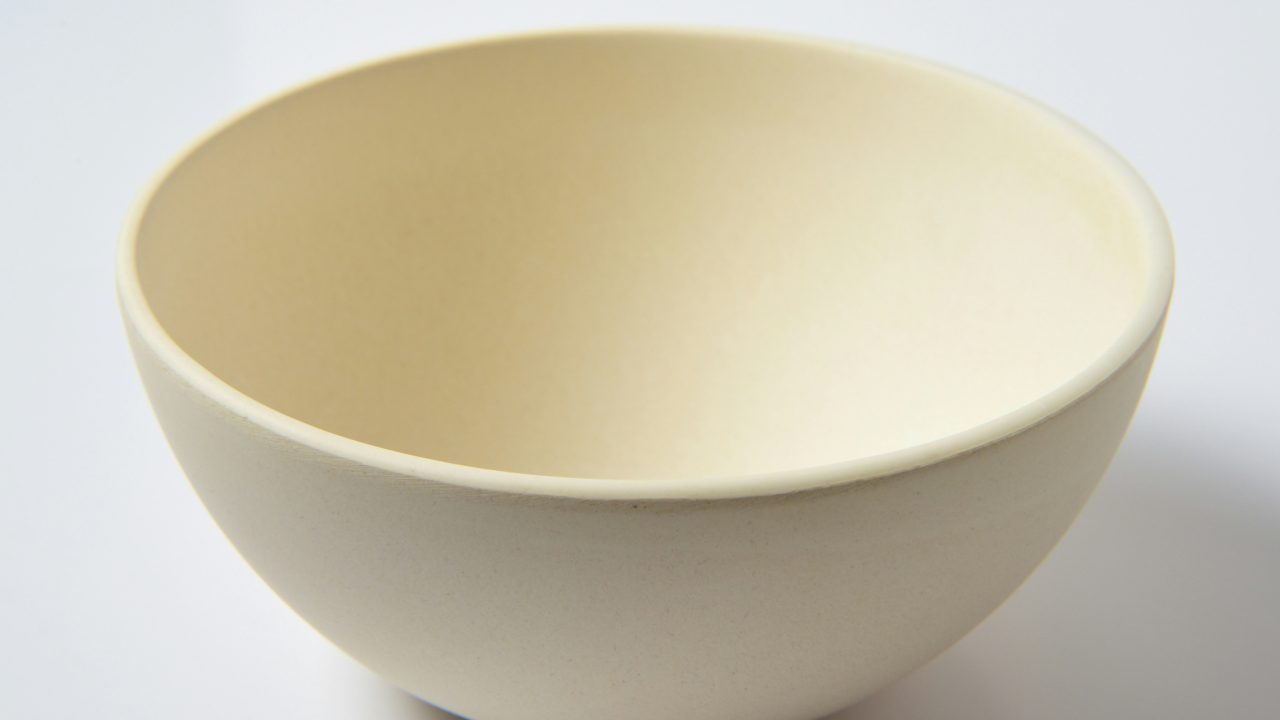
Photo by TAN Erica on Unsplash
Most dog owners think about food. Fewer think about what they are serving it in.
The bowl gets bought once, usually cheap, usually plastic, and then ignored until it breaks or the dog stops using it. That is the wrong approach. The bowl is a daily-use piece of equipment that handles food and water for the life of the dog. It is worth getting right the first time, especially if the dog is large, working, or just hard on equipment.
This is the case for stoneware. Not as a luxury upgrade, but as the better functional choice.
What Stoneware Actually Is
Stoneware is a type of ceramic, fired at high temperatures (typically above 1,200°C) until the clay vitrifies into a dense, hard material. The result is heavier and tougher than the lower-fired earthenware most cheap ceramics are made from. When finished with a food-safe, lead-free glaze, stoneware has a smooth non-porous surface that does not absorb liquid, food residue, or bacteria.
That is the technical version. The practical version is shorter. Stoneware is heavy, hard to break under normal use, easy to clean, and does not leach chemicals into food or water the way plastic can.
The Three Things That Matter: Durable, Safe, Good-Looking
Pick a bowl that fails any one of these three and you will replace it within a year.
Durable
Plastic bowls do not last. Aggressive eaters chew them, claws scratch them, and direct sunlight from a window can degrade the polymer over time. Stainless steel is more durable than plastic but dents, scratches, and gets noisy on hard floors. Stoneware sits in a different category. A properly fired stoneware bowl can take years of daily use without showing meaningful wear. The weight of the material also keeps it stationary. A dog that pushes a stainless steel bowl across the kitchen will not push a stoneware one.
The trade-off is that stoneware will break if dropped on a tile floor from counter height. That is the only real durability weakness, and it applies to all ceramics. Set it on the floor, leave it there, and the lifespan is essentially indefinite.
Safe
This is the part most owners do not think about.
According to multiple veterinary sources, scratches in plastic bowls can harbor bacteria, and lower-grade plastics may leach chemicals like BPA and phthalates into food and water over time. Those are documented endocrine disruptors. They are also avoidable.
Stoneware avoids the plastic chemical issue entirely. But it has its own safety concern: lead. Some cheap imported stoneware and ceramic bowls use glazes that contain lead, which can leach into food, particularly when the bowl gets exposed to acidic foods or hot water. A 2009 study by HealthyStuff.org found lead in several everyday products including stoneware pet bowls, which is why “lead-free, food-safe certified” is not marketing language. It is the actual baseline a bowl needs to meet.
The fix is simple. Buy stoneware from a manufacturer that certifies the glaze as lead-free and food-safe. Avoid unbranded or decorative bowls labeled “for dog use only,” which often means they were not tested to human food-safety standards.
Good-Looking
This is the bonus, not the reason. But it matters more than people admit.
A scratched plastic bowl with chew marks looks like exactly what it is. A stoneware bowl in a neutral color sits on a kitchen floor and reads as a normal piece of kitchen equipment, the same way a ceramic mug does. For households where the dog’s gear is permanent fixture in the room, that visual difference is real. A bowl that does not look like dog gear is a bowl that does not scream “pet store” every time someone walks into the kitchen.
Stoneware dog bowls like the ones Le Noof makes hit all three of these criteria. High-fired stoneware, food-safe glaze, weighty enough to stay put, in colors that work with a normal kitchen rather than fighting it.
What to Look For When Buying
Strip away the marketing language and a quality stoneware bowl has four properties:
- Food-safe, lead-free certification. Non-negotiable. If the manufacturer cannot show this, do not buy.
- High-fired stoneware, not earthenware. Earthenware is softer, more porous, and more prone to chipping. Stoneware is the harder, denser version. The product description should specify which.
- Heavy enough to stay put. A bowl light enough for the dog to push around defeats half the point. Aim for something that requires real effort to slide.
- Sized correctly. A bowl too small for the dog forces an awkward eating posture. A bowl too large encourages overeating. For most medium-to-large dogs, a 4 to 6 cup capacity is appropriate for food. Water bowls can be larger.
If the bowl meets all four, it will outlast multiple plastic replacements and serve the dog reliably for years.
The Underlying Point
Most pet supply decisions get made on autopilot. The plastic bowl in the pet store aisle is cheap, available, and seemingly fine. It is also the least durable, least safe, and worst-looking option on the shelf.
Upgrading to stoneware is a one-time decision that affects daily life for the life of the dog. It costs more upfront and pays for itself in not having to think about the bowl again. That is the kind of upgrade worth making.
The dog will not notice. The household will.
Buy Me A Coffee
The Havok Journal seeks to serve as a voice of the Veteran and First Responder communities through a focus on current affairs and articles of interest to the public in general, and the veteran community in particular. We strive to offer timely, current, and informative content, with the occasional piece focused on entertainment. We are continually expanding and striving to improve the readers’ experience.
© 2026 The Havok Journal
The Havok Journal welcomes re-posting of our original content as long as it is done in compliance with our Terms of Use.


