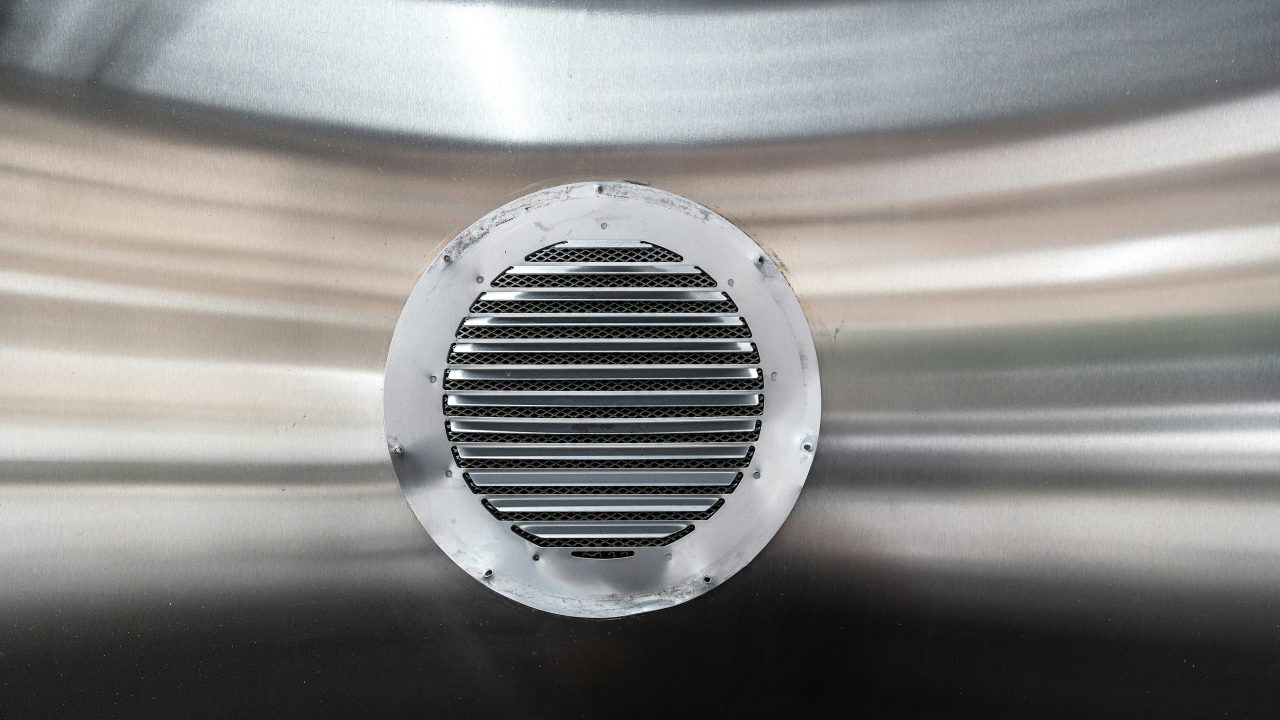
Photo by Marco Bicca on Unsplash
Cooling systems often shift from silent operation to clear performance drops when airflow support begins weakening. Rooms may feel uneven, energy use may rise, and system response may slow down under normal settings. In many homes, attention turns toward repair planning when evaluating AC blower replacement cost in Plant City, FL, during service checks. The blower assembly drives air movement through ducts, so even small faults can disrupt comfort across living spaces. Early recognition of performance change helps reduce strain on connected parts and supports steadier cooling behavior over time without sudden breakdown pressure building inside units.
1. Signs of Blower Strain
Airflow weakness often shows up first. Some rooms feel cooler while others remain warm even with steady thermostat settings. A humming sound from indoor equipment may point toward motor stress. Dust buildup around vents can indicate restricted air movement inside duct paths. Sudden shutdowns or delayed start cycles often suggest electrical strain inside blower components.
Over time, airflow imbalance becomes more visible during longer cooling cycles. These warning signals reflect internal wear that should not be ignored. Early action helps prevent more serious damage across connected cooling parts and supports steadier system performance across daily use patterns in homes.
2. Cost Factors Behind Replacement
Replacement pricing shifts based on several conditions. Motor type plays a major role since variable-speed systems cost more than standard units. System age can increase complexity during installation because older designs may need additional adjustments.
Accessibility also affects labor time, especially when indoor units sit in tight attic or closet spaces. Wiring condition and connector health may add small repair steps during service. Availability of specific parts can change pricing based on supply conditions. All these elements combine into a range rather than a fixed amount, making inspection an important step before final cost decisions are made by service teams.
3. Parts and Labor Breakdown
Blower replacement involves both hardware and service effort. Motor units form the largest portion of the cost due to design and compatibility requirements. Capacitors, mounting brackets, and electrical connectors add smaller but necessary expenses. Labor includes removal of worn components, inspection of surrounding parts, and installation of new systems.
Technicians also check airflow alignment after setup to confirm balanced performance. In some cases, additional calibration is required to match system settings. Each step contributes to the total service value. When handled correctly, replacement restores airflow strength and reduces stress on remaining cooling components inside the system structure over time.
4. Service Response and System Stress Control
A fast response to cooling issues often reduces long-term system strain. Delayed attention allows wear to spread into connected components, increasing repair complexity. Timely inspections help identify airflow loss before full breakdown occurs. Service checks also measure motor load and electrical stability during operation cycles.
In many cases, homeowners request AC repair in Plant City, FL, when airflow issues begin affecting comfort during peak heat periods. Quick evaluation supports controlled repair planning and reduces repeated system interruptions. Consistent monitoring of performance signals helps maintain stable cooling output and prevents sudden overload on internal mechanical parts across extended usage periods.
5. Long-Term Cost Control Through Maintenance
Routine attention to airflow systems reduces the risk of major repair expenses. Cleaning internal components helps maintain smooth air movement through ducts. Checking wiring condition prevents electrical strain from building up inside motor assemblies. Small inspections allow early detection of wear before replacement becomes necessary.
Systems that receive regular attention tend to operate with fewer interruptions and more stable cooling output. Ignoring early performance changes often leads to higher service costs later. Simple monitoring habits support balanced operation across cooling cycles and reduce sudden financial pressure linked to unexpected equipment failure or extended downtime situations in residential systems.
Cooling systems depend heavily on steady airflow performance to maintain comfort across living spaces. When blower components weaken, signs often appear through uneven cooling, noise changes, or slower system response. Cost variation depends on motor type, system condition, and labor needs. Early attention reduces stress on connected parts and supports stable operation. Timely service decisions help prevent larger repair situations and keep airflow balanced during daily use. Regular observation of system behavior allows better control over long-term performance and helps maintain consistent cooling output across changing temperature demands throughout seasonal cycles in residential environments overall.
Cooling concerns need fast action before strain spreads. Dunlap A/C and Heating can inspect and restore system performance with focused service support. Call 813-608-3435 for scheduling assistance and direct repair coordination today without delay.
FAQs
1: What signs show cooling issues in Plant City, FL, homes?
In Plant City, FL, homes, weak airflow, uneven cooling, and longer system run times often signal developing internal strain needing attention.
2: How often should cooling systems be checked in Plant City, FL?
In Plant City, FL, seasonal system checks help track performance changes early and support steady airflow across regular usage periods.
Buy Me A Coffee
The Havok Journal seeks to serve as a voice of the Veteran and First Responder communities through a focus on current affairs and articles of interest to the public in general, and the veteran community in particular. We strive to offer timely, current, and informative content, with the occasional piece focused on entertainment. We are continually expanding and striving to improve the readers’ experience.
© 2026 The Havok Journal
The Havok Journal welcomes re-posting of our original content as long as it is done in compliance with our Terms of Use.


