Photo by Álvaro Bernal on Unsplash
Coastal Orange County summers stay milder than inland scorchers, but salt air still chews through outdoor cooling units year-round across exposed properties. Plenty of homeowners wait until vents blow warm air mid-August before booking air conditioning repair in Costa Mesa, CA, crews, then face peak season pricing plus longer wait times across stretched contractor schedules. Catching small issues early stops bigger breakdowns dead in their tracks every single time. Knowing what affects pricing, what triggers repairs, plus what stretches system lifespan separates folks handling cooling smartly from folks paying way too much over time.
Salt Air Wears Out Coastal Cooling Systems Fast
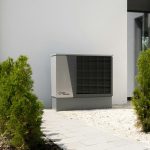
Coastal salt spray causes outdoor cooling units in Costa Mesa to corrode rapidly, reducing their average lifespan to 10–13 years compared to 15–18 years inland. This accelerated wear makes yearly inspections essential for coastal homeowners to prevent premature system failure.
Coastal damage factors worth knowing about:
- Aluminum fin corrosion across exposed condenser surfaces yearly
- Copper line pitting forming pinhole leaks across decade marks
- Electrical contacts corroding faster than inland equivalents
- Capacitors failing 25 percent earlier across coastal installations
- Outdoor fan motor bearings wearing out from constant salt exposure
Why Original Install Quality Drives Future Repair Costs
Plenty of repair calls trace back to install shortcuts that haunt homeowners decades later, regardless of the brand chosen originally. Crews who skipped proper vacuum pulls, brazed copper sloppily, or skimped on refrigerant charges set systems up for early failure. Quality crews handling AC installation in Costa Mesa, CA, projects spend extra hours on details that matter long term, saving thousands across system lifespans easily. Cheap initial installs often cost owners way more across follow-up repair invoices stacked across years.
Install quality factors affecting future repair bills:
- Vacuum pulls done correctly preventing moisture trapped in lines
- Refrigerant charges set against manufacturer specs precisely
- Electrical connections tightened to manufacturer torque specifications
- Drain line slope angled correctly preventing backups regularly
- Ductwork sealed properly stopping conditioned air leaks throughout
When Patching Stops Making Financial Sense
For units over 10 years old, repairs often cost more than replacement. If a repair quote multiplied by the system’s age exceeds $5,000, it is usually time for a new unit. Crews quoting AC replacement in Costa Mesa, CA, projects in 2026 typically land $7,500 to $14,000 depending on tonnage plus efficiency rating picked. Modern systems run 30 percent more efficient than units from 2014, dropping monthly bills enough to offset replacement costs across several years.
Replacement signs worth weighing carefully:
- Repair quotes topping 50 percent of the replacement cost outright
- R-22 refrigerant systems are no longer supported under current rules
- Multiple breakdowns are happening across the same season repeatedly
- Visible rust spreading along compressor housing seams
- Energy bills are climbing despite tune ups handled correctly
Issues Coastal Techs Run Into Most Often
Coastal AC repair calls in Costa Mesa, CA, mostly trace back to capacitor failures, refrigerant leaks, or clogged drain lines. This is because coastal humidity speeds up algae growth in drains, and salt air corrodes capacitor terminals. Knowing these common issues helps prevent mid-summer breakdowns.
Issues coastal techs see most often:
- Capacitor failures from salt corrosion across terminals
- Refrigerant leaks through pinhole copper line pits
- Condensate drain clogs from algae plus humidity buildup
- Failing fan motors with seized bearings from exposure
- Electrical contact pitting is causing intermittent operation issues
Habits That Actually Stretch System Lifespan
Coastal owners need yearly maintenance more than inland neighbors because salt corrosion constantly damages the equipment. Routine spring tune-ups and monthly DIY habits protect systems during the summer.
Habits keeping coastal AC systems happy:
- Filters swapped every 30 days during peak summer runtime months
- Outdoor coils rinsed monthly with garden hose freshwater spray
- Yearly tune ups booked during March before summer rush hits
- Capacitors tested annually during pro maintenance visits
- Drain lines flushed with vinegar every 60 days during summer
Coastal cooling systems face unique challenges from salt air working against aluminum, copper, plus electrical contacts year-round. Smart homeowners book yearly maintenance, watch for warning signs early, and know when repair stops making financial sense compared to replacement.
Act now, before summer peaks, to avoid emergency repair rates and long waits. Proactive maintenance keeps your AC running smoothly through August.
CTA: Cooling system acting up? JW Mitchell Heating and Air Conditioning offers honest assessments without pushy upsells. Dial 949-664-2007 and book a slot before summer hits hard!
FAQs
Q: How much does typical HVAC service run across Costa Mesa, CA, in 2026?
Most HVAC service calls across Costa Mesa, CA, currently land between $200 and $750 depending on which part fails plus labor complexity involved on site. Capacitor swaps stay cheapest, while compressor work stretches highest, sometimes pushing invoices past $1,800 once parts and labor get fully bundled together.
Q: How often should homeowners across Costa Mesa, CA, book yearly cooling tune ups? Most cooling systems across Costa Mesa, CA, benefit from inspections twice yearly thanks to salt air corrosion wearing equipment faster than inland zones. Spring visits prep units for summer demand, while fall checkups catch wear from heavy June through September runtime cycles efficiently.
Buy Me A Coffee
The Havok Journal seeks to serve as a voice of the Veteran and First Responder communities through a focus on current affairs and articles of interest to the public in general, and the veteran community in particular. We strive to offer timely, current, and informative content, with the occasional piece focused on entertainment. We are continually expanding and striving to improve the readers’ experience.
© 2026 The Havok Journal
The Havok Journal welcomes re-posting of our original content as long as it is done in compliance with our Terms of Use.