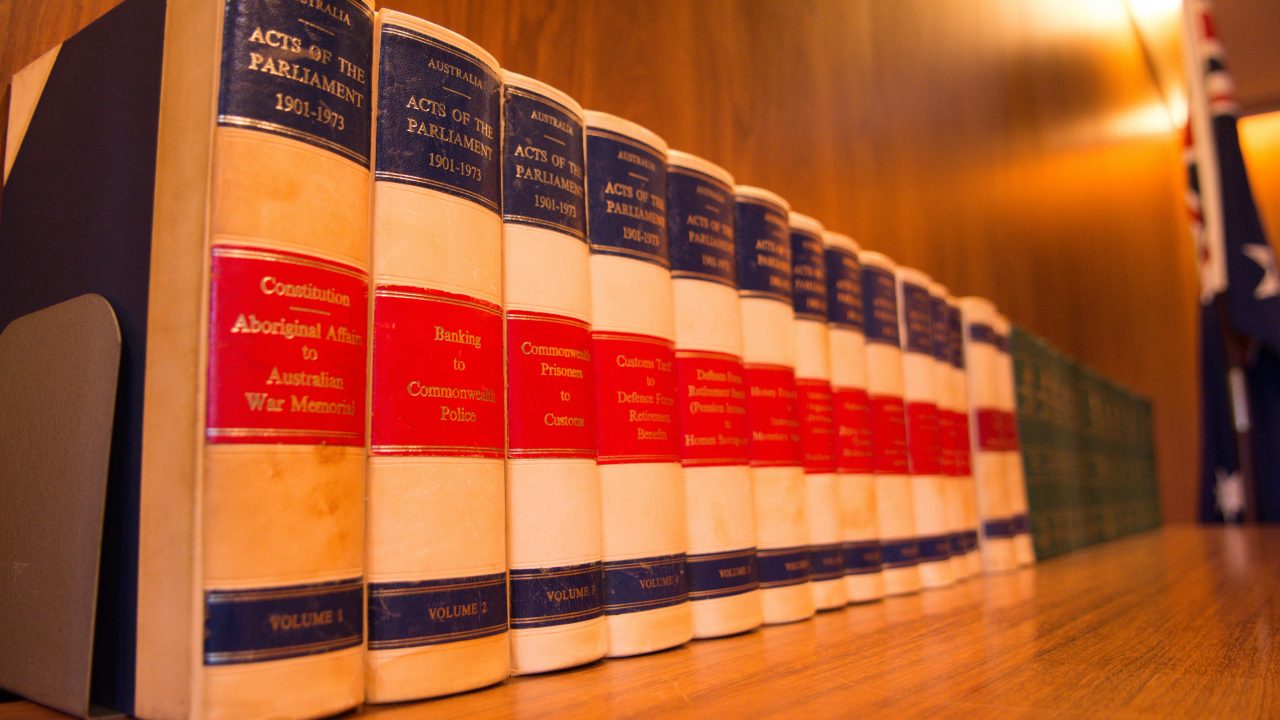
Photo by Brenton Pearce on Unsplash
With its high levels of tourism, highways such as Interstate 4, and consistent traffic flow, Orlando creates circumstances where collisions and injury claims become commonplace within the legal framework. The laws for personal injury in the state of Florida dictate how such cases are considered in terms of liability, as well as damages awarded based on actual consequences. For a person trying to make a claim in Orlando, the case hinges on how clearly one can present their injury, its source, and the impact it has on their life.
Liability Sets the Baseline
Fault is generally used as the basis from which claims can be filed. It is impossible for insurance companies and the courts to consider a certain figure for compensation until there is evidence that somebody or the other did not exercise due care. People who are injured after an accident will seek assistance from a personal injury lawyer in Orlando, FL, after all the facts have started to come together on how the accident occurred.
Medical Records Shape the Number
The medical documents provide evidence for the claim in a scientific manner. The emergency room notes, diagnostic tests, operation notes, medications, and physical therapy results can help demonstrate the affected tissues and the recovery process. Timing is also crucial here. If there is a delay in the treatment, or if there are inconsistencies in the symptoms during consultations, the insurance company can state that the pain was caused by a preexisting injury, aging, or some other occurrence.
Lost Income Adds Measurable Harm
Income loss is one of the easiest pieces to substantiate in a case. Documents such as payroll reports, tax returns, attendance, and statements from the employer will indicate how much income has been lost while the individual has been recovering from an injury. In addition to this type of loss, some injuries cause the victim to lose the capacity to earn money in the future.
Pain and Suffering Need Proof
Pain and suffering are not numbers that can simply be calculated, but they are real. Headaches that won’t go away, inability to sleep properly, panic attacks behind the wheel, difficulty moving about, and even withdrawing from family activities can have an impact on a person’s day-to-day experience. Solid proof can make the pain easier to quantify and make a case for a claim.
State Rules Can Reduce Recovery
In some cases, state laws may limit damages, even if an injury is severe. Under Florida law, for instance, damages will be cut back if the plaintiff is partially at fault for his or her own injuries. An injured motorist who was driving while exceeding the speed limit would not get full damages even if he or she had not caused the accident. Time limits are also crucial.
Insurance Limits Affect Payment
Insurance tends to provide the practical cap for the payment. There are times when the claim can be more valuable than what the policies will provide. It is critical when there have been accidents that involve broken bones, surgery, head injury, or long-term rehab treatments. Additional sources are also possible, such as having insurance from another car or the employer. Still, the negotiations always start with the actual insurance amount.
Timing and Treatment Consistency Matter
Seeking prompt medical treatment guarantees good health and helps ensure that your case is credible. The earlier you go for the medical check-up, the better it is for your condition. The delay in the medical examination makes one suspicious about your condition, as your symptoms may be linked to the incident after some time has elapsed. It is equally important to ensure continuity of treatment.
Small Gaps Can Have Big Effects
Even minor gaps in treatment may affect your case, especially when they are not justified by the chart.
Documentation Strengthens Each Claim
A written record will only make the case stronger in each kind of injury claim. Pictures taken of any bruises, injuries, scarred areas, smashed-up car, damp floor, broken steps, or dangerous conditions can be part of the documentation. Evidence related to money includes receipts, drug costs, travel miles, and repair bills. It is important to record witness information soon after the incident because memories can fade fast.
Settlement Versus Trial Value
The settlement and trial values do not necessarily have to match. For instance, the insurance company could offer a lower figure because it thinks that the jury would be skeptical about the claim, suspicious of a witness, or resentful about the treatment interruption. Conversely, if there is substantial imaging evidence, a clear medical account, and an accurate everyday description, then this might place more pressure on the insurance firm to settle.
Conclusion
A personal injury case consists of liability, medical proof, lost wages, suffering, insurance limitations, and statute of limitations. All these play their role in setting up the ultimate value of that case. Good records will always carry more weight than colorful statements. It will be easy to make out a good case when treatment is prompt, documents are systematically prepared, and liability is well demonstrated. Neither a lawyer nor any insurance company will promise any certain sum at the beginning of the case.
Buy Me A Coffee
The Havok Journal seeks to serve as a voice of the Veteran and First Responder communities through a focus on current affairs and articles of interest to the public in general, and the veteran community in particular. We strive to offer timely, current, and informative content, with the occasional piece focused on entertainment. We are continually expanding and striving to improve the readers’ experience.
© 2026 The Havok Journal
The Havok Journal welcomes re-posting of our original content as long as it is done in compliance with our Terms of Use.

