
Walk into any modern dispensary and you’ll notice something almost immediately. People aren’t just there to buy cannabis — they’re trying to figure things out. Some look confident, but many don’t. They read menus, hesitate, and ask half-formed questions. That’s exactly where strong cannabis knowledge for budtenders starts to matter.
Even if everything behind the scenes works perfectly — inventory tracked, payments smooth, and processes streamlined through a reliable dispensary pos system — the real experience still depends on a person. A short conversation at the counter can either make things clear or leave a customer even more unsure than before.
Why Cannabis Knowledge Matters More Than Ever
The industry feels different now. A few years ago, a lot of customers already knew what they wanted. Today, that’s often not the case. Legalization brought in people who are curious, but also careful. Some are trying cannabis for the first time. Others had a bad experience before and don’t want to repeat it.
You hear it in simple phrases. “Nothing too strong.” “I just want to relax.” “Last time was a bit much.” And sometimes the question comes out directly — what’s a budtender actually supposed to help with?
The answer isn’t obvious until you see it in action. A budtender isn’t just handing over products. They’re helping someone navigate something that doesn’t always behave predictably. That takes real budtender knowledge, but also the ability to use it in context.
Cannabis doesn’t affect everyone the same way. Two people can try the same product and walk away with completely different impressions. That’s why generic advice doesn’t work very well. Customers notice when recommendations feel automatic, and they notice when someone actually listens.
At the same time, people are paying more attention. They read labels, compare products, and ask more specific questions. You can’t rely on vague answers anymore. The role has shifted — budtenders are less like sellers and more like guides.
Budtender 101: Understanding the Role
If you try to define budtender 101 too cleanly, it quickly stops matching reality. The role changes depending on who you’re talking to.
Some customers want a detailed explanation. Others want a quick recommendation and nothing more. Some already know what they like. Others don’t even know where to start. And a budtender moves between these situations constantly.
On paper, the job looks simple: greet, verify, recommend, complete the sale. In practice, it’s a series of small conversations and quick adjustments. One moment you’re helping someone choose their first edible. The next, you’re speaking with someone who already understands the basics and just wants confirmation.
There are a few things that stay consistent. A good budtender keeps the interaction natural, not scripted. They ask enough questions to understand the situation without turning it into an interview. They explain effects clearly, without exaggeration, and avoid unnecessary jargon.
There’s also a subtle part of the job that isn’t always obvious — knowing when to stop. Not every customer needs a full explanation. Sometimes giving just enough information is the better approach. That’s where budtender knowledge really shows, not in how much you say, but in how well you adjust.
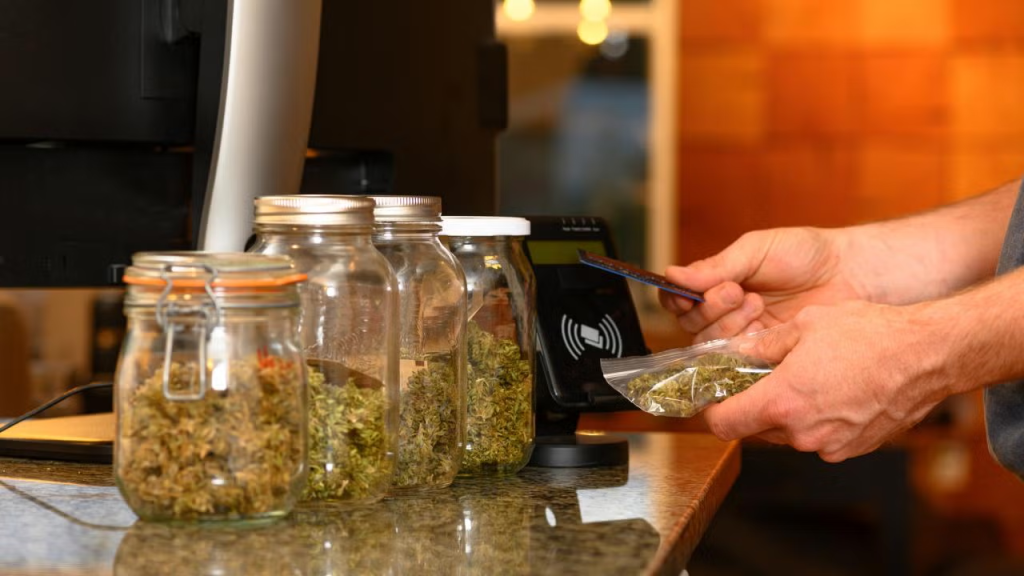
The Foundations of Cannabis Knowledge for Budtenders
You don’t need to sound like an expert in chemistry, but you do need to understand the basics well enough to explain them simply.
Most conversations start with THC and CBD. Even beginners usually recognize those terms. THC is associated with the noticeable high, while CBD is often described as more balanced or mild. But customers rarely talk in those terms.
Instead, they describe what they want to feel. Something relaxing. Something light. Something that won’t be overwhelming. That’s where interpretation becomes part of the job.
Terpenes play a role here, even if they’re not mentioned directly. They influence how a product feels overall. You don’t need to explain the science every time — it’s usually enough to connect effects to everyday language.
Then there’s the format, which is where confusion happens most often.
| Product Type | Onset Time | Duration | What It Feels Like | Good For |
| Flower | Fast | Medium | Familiar, easy to manage | Quick effects |
| Edibles | Slow | Long | Gradual, stronger build | Longer sessions |
| Vapes | Very fast | Short | Smooth, controlled | Convenience |
| Concentrates | Immediate | Medium | Strong, direct | Experienced users |
| Tinctures | Moderate | Medium | Balanced, steady | Controlled dosing |
Understanding this isn’t about memorizing a table. It’s about recognizing mismatches. If someone expects fast results, edibles might not be the best choice. If someone is new, stronger products can easily become overwhelming.
The traditional indica and sativa labels still come up, but they don’t explain everything anymore. They can be helpful as a general reference, but not as a complete answer. Customers don’t need a lecture about that — they just need clear guidance.
That’s where cannabis knowledge for budtenders becomes practical. It’s less about explaining everything and more about explaining what matters at that moment.
Things to Know as a Budtender: Safety, Dosage, and Customer Guidance
If there’s one area where mistakes have the biggest impact, it’s this one. Among the most important things to know as a budtender is how dosage and timing actually work.
Edibles are the most common example. People expect them to feel similar to smoking. When nothing happens quickly, they take more. And then everything hits at once.
The solution isn’t complicated, but it needs to be clear. Simple guidance works better than long explanations.
A few principles help prevent most problems:
- Start with a lower dose than expected
- Ask about previous experience
- Be clear about how long effects may take
- Avoid recommending stronger products too quickly
- Remind customers they can increase gradually
- Stay within legal limits
There’s also a trust factor involved. People remember how their experience turned out. If your recommendation works, they come back. If it doesn’t, they often don’t.
Good guidance isn’t about selling more. It’s about helping someone make a choice they won’t regret later.

Customer Psychology: Matching Products to People
One thing becomes obvious after a while — people don’t always say exactly what they mean.
Someone might ask for “the strongest option,” but what they really want is something that works consistently. Another person might say they want to relax, but that could mean different things depending on the situation.
That’s why this part of the job is less about products and more about understanding people.
The best conversations usually start simply. What kind of experience are you looking for? Have you tried anything before? What worked, and what didn’t?
From there, things become clearer. Some customers just want reassurance. Others already have a routine and need something similar.
It’s easy to make mistakes if you rely on assumptions. You can’t tell someone’s tolerance by appearance. The only reliable way is to ask and listen.
When that connection happens, recommendations feel natural. Customers relax, and the interaction becomes easier.
As Andrew DeAngelo once said in a Forbes interview, “The most important thing we can do in this industry is educate people so they can make informed choices.” That idea still applies directly here.
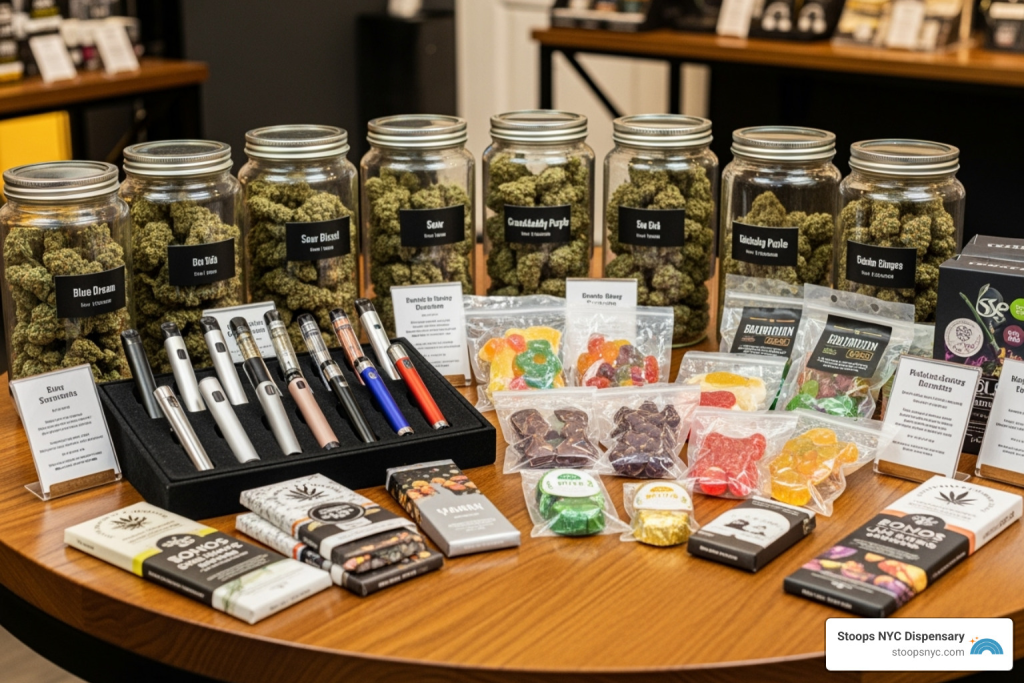
Advanced Budtender Knowledge: Going Beyond the Basics
With experience, the questions start to change.
At first, customers ask basic things. Later, they start asking more specific questions. Where was this grown? Why does it feel different? What do those numbers mean?
That’s where deeper budtender knowledge becomes noticeable.
You don’t need to explain everything in detail, but you should feel comfortable when those questions come up. Things like freshness, storage, and product quality begin to matter more.
Lab results also come into play. Most customers won’t analyze them, but some will ask. You don’t need to break down every detail — just enough to explain the basics.
Another shift is happening as well. Not everyone is focused on high THC anymore. More people are looking for balance and a more controlled experience.
That changes how recommendations are made. It becomes less about numbers and more about how a product is likely to feel.

Common Mistakes New Budtenders Make (and How to Avoid Them)
Most beginners make similar mistakes. It’s part of learning the job.
One of the most common is focusing too much on THC. It’s easy to compare, but it doesn’t tell the whole story.
Another issue is overexplaining. Trying to say too much can overwhelm customers instead of helping them.
There’s also the tendency to assume instead of asking. It feels faster, but often leads to the wrong recommendation.
Some typical mistakes include:
- Recommending products too quickly
- Using overly technical language
- Not explaining timing differences
- Treating all customers the same
- Relying on outdated ideas
Most of these can be fixed by slowing down and asking better questions.
Conclusion: Becoming a Trusted Cannabis Advisor
Over time, one thing becomes clear: people remember how they felt, not just what they bought.
That’s what this role comes down to.
Strong cannabis knowledge for budtenders is important, but it’s only part of the picture. The rest is communication, attention, and the ability to adjust to each situation.
Customers don’t expect perfection. They just want clarity and confidence in their choice.
When that happens, they come back.
FAQ: Cannabis Knowledge for Budtenders
What skills matter most for a budtender?
Product knowledge is important, but communication is what really makes the difference. Being able to listen, ask clear questions, and explain things simply often matters more than technical details.
How much should a beginner budtender know?
A basic understanding of product types, effects, and safe dosing is enough to start. Most knowledge develops through real interactions with customers over time.
How do budtenders choose the right product?
They rely on conversation. Experience level, desired effects, and preferences all play a role. Good recommendations come from understanding the customer, not just the product.
What’s the most common mistake?
Recommending something too strong, especially for beginners. Starting with lower intensity usually leads to a better experience.
Do budtenders need formal training?
Not always. Some dispensaries provide training, but much of the learning happens on the job through experience and observation.
How do budtenders stay updated?
Mostly through daily work, conversations with colleagues, and customer feedback. The industry changes quickly, so continuous learning is important.
Buy Me A Coffee
The Havok Journal seeks to serve as a voice of the Veteran and First Responder communities through a focus on current affairs and articles of interest to the public in general, and the veteran community in particular. We strive to offer timely, current, and informative content, with the occasional piece focused on entertainment. We are continually expanding and striving to improve the readers’ experience.
© 2026 The Havok Journal
The Havok Journal welcomes re-posting of our original content as long as it is done in compliance with our Terms of Use.


