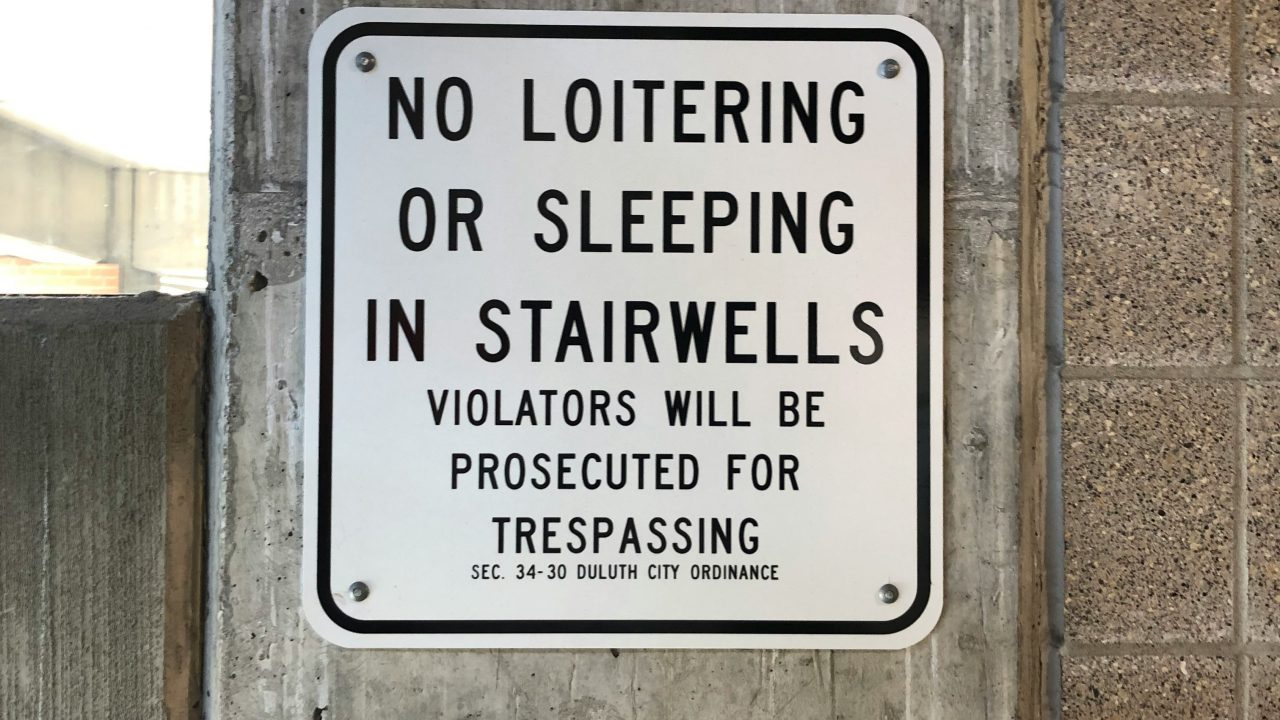
Photo by Craig Bertram on Unsplash
High-traffic areas such as shopping centres, transport hubs, and busy high streets often face ongoing challenges with loitering and anti-social behaviour. The key to managing these environments is choosing solutions that are effective without being intrusive. From advanced anti-loitering device technology to smarter environmental design, the right combination can help maintain a safe, welcoming space while also helping to stop rough sleeping in sensitive areas.
1. Mosquito Loitering Solutions
Mosquito Loitering Solutions stands out as one of the most recognised options for tackling persistent loitering. This security sound deterrent works by emitting a high-frequency noise that is uncomfortable to hear for extended periods, encouraging individuals to move on without confrontation.
Its versatility makes it particularly suitable for high-traffic environments. Settings can be adjusted to target specific age groups or operate more broadly, depending on the issue at hand. This makes it effective not only for preventing groups from gathering but also for helping to stop rough sleeping in entrances, alleyways, and sheltered spaces.
The discreet design and ease of installation mean it can be implemented quickly across multiple sites, making it a reliable anti-loitering device for businesses and public spaces alike.
2. High-Frequency Ultrasonic Deterrents
High-frequency ultrasonic systems are another popular solution for managing loitering. Similar in principle to the Mosquito, these devices use sound waves to create an uncomfortable environment for those lingering too long.
These types of anti-loitering devices are particularly effective in areas where repeated gatherings occur, such as outside retail units, car parks, and transport stops. Many models allow users to adjust frequency levels and timing schedules, giving property managers more control over how and when the deterrent is active.
In high-traffic locations, consistency is key, and these devices offer a continuous, low-maintenance way to discourage unwanted behaviour without requiring staff intervention.
3. Motion-Activated Lighting
Lighting plays a powerful role in shaping behaviour in public spaces. Motion-activated lighting systems are a simple yet effective way to deter loitering, especially during evening hours.
When lights suddenly activate, they remove the cover of darkness that often encourages people to linger. This can make areas feel less comfortable for those intending to stay for long periods, while improving safety for legitimate users.
As part of a wider strategy, lighting works particularly well when combined with a security sound deterrent, reinforcing the message that the space is actively monitored and managed.
4. Preventative Design Features
Thoughtful design can go a long way in discouraging loitering before it even begins. Features such as sloped ledges, divided seating, and strategically placed barriers can reduce opportunities for people to settle in one place for extended periods.
This approach is often used to help stop rough sleeping in commercial zones and high-footfall areas. By limiting flat, sheltered surfaces, spaces become less attractive for prolonged use while still remaining functional for everyday visitors.
When paired with an anti-loitering device, design-based solutions create a more comprehensive and long-lasting deterrent strategy.
5. CCTV and Remote Monitoring
CCTV systems remain a cornerstone of managing busy public environments. Not only do they act as a visible deterrent, but they also provide real-time monitoring and the ability to respond quickly to issues.
Modern systems can be integrated with audio announcements or linked to a security sound deterrent, allowing operators to address loitering as it happens. This is especially useful in large or multi-site locations where on-the-ground security presence may be limited.
In addition to prevention, CCTV also supports incident reporting and accountability, making it a valuable part of any high-traffic area management plan.
Final Thoughts
Managing loitering in high-traffic areas requires a balanced and layered approach. By combining advanced tools like Mosquito Loitering Solutions with lighting, design improvements, and monitoring systems, it becomes much easier to maintain order without disrupting the flow of everyday activity. The result is a safer, more comfortable environment that benefits both businesses and the wider public.
Buy Me A Coffee
The Havok Journal seeks to serve as a voice of the Veteran and First Responder communities through a focus on current affairs and articles of interest to the public in general, and the veteran community in particular. We strive to offer timely, current, and informative content, with the occasional piece focused on entertainment. We are continually expanding and striving to improve the readers’ experience.
© 2026 The Havok Journal
The Havok Journal welcomes re-posting of our original content as long as it is done in compliance with our Terms of Use.