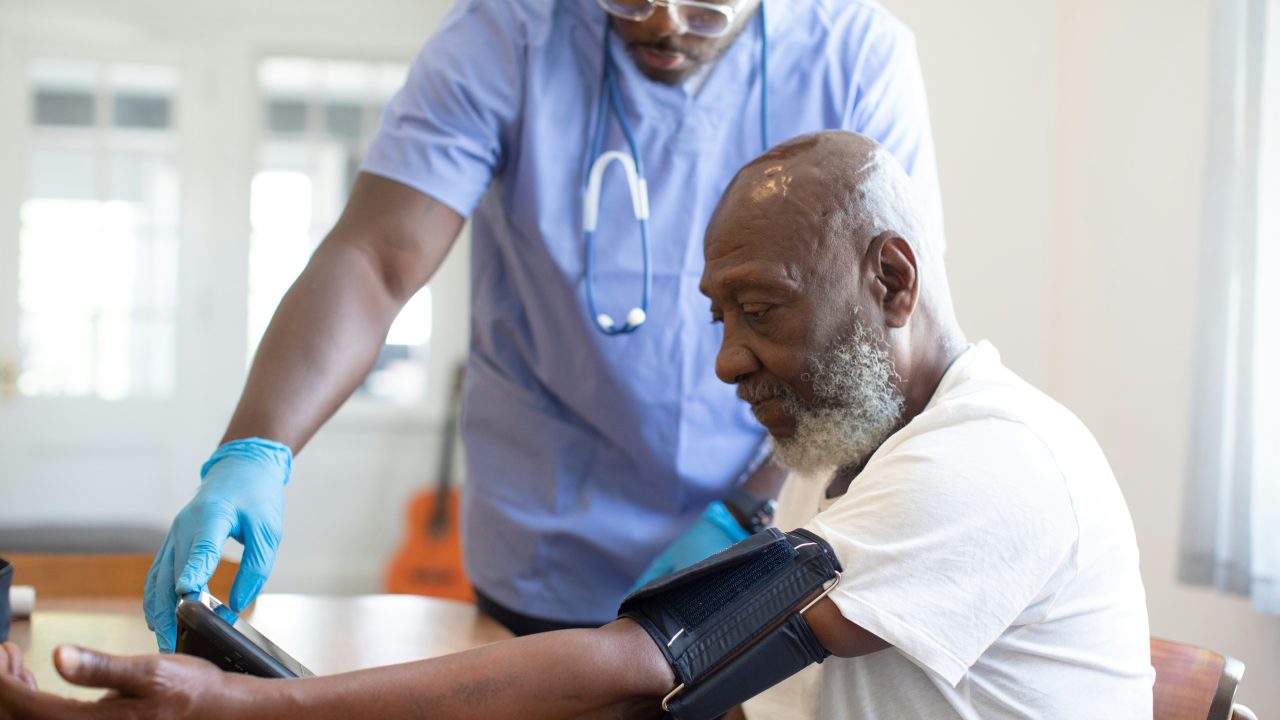
Things are moving fast, way faster than they used to be in the medical world. By the time we hit the middle of 2026, the whole healthcare scene is going to look pretty different from what we remember. It is becoming a huge, defining moment for anyone who has ever thought about taking their career across a border. Since health problems don’t really care about passports anymore, the actual need for people who can handle medical jobs abroad is just shooting up. For students or professionals alike already in the thick of it, this shift is basically an open door to do something that actually matters, but on a much larger, global scale.
Key Takeaways
- 2026 is seen as the optimal time for finding medical jobs abroad, as most countries are actively hiring.
- The world of international global health jobs is widening out, covering everything from boots-on-the-ground clinical work to high-level lab research.
- Moving away doesn’t just give a change of scenery; it usually comes with a better paycheck and some seriously impressive tech.
- Getting the right start, maybe through something like Leverage Edu study abroad, is how most people actually manage to pull this off.
- Meeting people from all over and learning how they do things is like a permanent upgrade for a professional resume.
The Growing Demand for Global Health Professionals
Over the past few years, the world has witnessed how interconnected healthcare systems truly are. Whether it is a weird new virus or just trying to make sure everyone can get a check-up, countries have to talk to each other now. This has led to a massive spike in international global health jobs. These aren’t just regular desk jobs; they are roles where people are tackling disease prevention and medical research that affects millions of lives at once.
Countries are basically desperate for anyone who knows their stuff but can also bring a fresh pair of eyes from a different culture. There is a huge lack of people in epidemiology, nursing, and managing big hospital systems. Because of that, looking for medical jobs abroad isn’t some wild dream anymore. It is actually a really smart, logical move for a long-term career.
Why 2026 Stands Out
It is true that global health has been growing for a while, but 2026 feels a bit different. Governments have finally stopped just talking and started spending serious money on healthcare buildings and new digital tech that works across borders.
Plus, a lot of places have figured out that their visa rules were too annoying. They are making things easier and offering actual perks to get medical talent to move there. This means 2026 is the year where the paperwork might actually be manageable for a change, making it way easier to find those medical jobs abroad without losing your mind in the process.
Exposure to Advanced Healthcare Systems
When someone gets a job in a top-tier international hospital, they often get to play with the kind of medical gadgets that most people only read about in journals. This kind of experience is basically a massive shortcut for learning new skills.
- Getting your hands on the newest medical gear and fancy facilities.
- Seeing how different countries try out new, weirdly effective treatments.
- Spending every day working next to people who are literally the best in the world.
- Making your clinical and research skills way sharper than they’d be otherwise.
This kind of background doesn’t just look good on paper. It actually turns a professional into the kind of person who gets hired for leadership roles later on.
Better Career Growth and Financial Opportunities
Let’s be honest about the money: global health careers are usually a big step up. A lot of international groups have very clear paths for moving up, and the pay reflects that.
- Paychecks that are way higher than what people usually see back home.
- A clear map of how to get promoted into a management or leadership spot.
- Getting trained and certified in things that work anywhere in the world.
- The chance to have a huge, famous global organization at the top of a CV.
When you add it all up, the financial stability makes medical jobs abroad a really solid choice for anyone thinking about their future.
Cultural Exposure and Global Networking
Working in a different country isn’t just about the work, though. It is a total life reset. You end up hanging out with people who see the world totally differently, learning their habits, and figuring out how they handle health problems.
These connections can open doors to future opportunities, collaborations, and even leadership roles in international organizations. In a world where who you know is just as important as what you know, having a network that spans three continents is a huge win.
The Role of Education and Skill Development
To actually land one of these high-level global health jobs, the right degree is non-negotiable. A lot of students are now skipping the local options and going straight for international programs that focus on public health or healthcare management.
This is where things like Leverage Edu study abroad come into the picture. They help students figure out which university isn’t a waste of time and help them get through the application mess. With that kind of help, students can make sure their education actually leads to a job on the other side of the world.
Overcoming Challenges in Global Health Careers
Moving can be quite challenging. It often requires figuring things out as you go. You’ll need to learn new procedures, adjust to different ways of communicating with patients, and adapt to the overall atmosphere of the office.
But these annoying hurdles are actually what make someone better at their job. If you can handle a hospital in a country where you don’t even speak the language perfectly, you can handle pretty much anything. With the right attitude, these challenges just become the stories you tell later.
Conclusion
Looking at how things are going, 2026 is going to be a huge turning point for anyone in healthcare who wants to do something bigger. The demand is there, the pay is good, and the rules are finally starting to make sense. If you are a student or someone who’s been working for years, exploring medical jobs abroad right now is a move you probably won’t regret.
If you’re ready to make the jump but don’t know where to start, Leverage Edu can act as your personal roadmap. From choosing the right courses to navigating applications and visas, their team ensures a smooth transition into international education and career opportunities.
FAQs
1. Why should I consider medical jobs abroad in 2026?
The demand is just massive right now, plus visa rules are finally getting easier, making it the best year to actually make the move.
2. What are international global health jobs?
These are roles where you’re working on big-picture stuff, like stopping diseases from spreading between countries or helping build better health systems worldwide.
3. What qualifications are needed for global health careers?
Usually, you’ll need a solid degree in medicine, public health, or management, plus it helps if you have some experience working with different cultures.
4. Are medical jobs abroad financially rewarding?
Yeah, definitely. The salaries are usually a lot higher, and you often get better benefits like housing or travel allowances that you wouldn’t get at home.
5. How can I start a career in global healthcare?
A good first step is looking into a specialized degree. I’d suggest talking to experts who know the international system to make sure you’re not wasting your time on the wrong programs.
Buy Me A Coffee
The Havok Journal seeks to serve as a voice of the Veteran and First Responder communities through a focus on current affairs and articles of interest to the public in general, and the veteran community in particular. We strive to offer timely, current, and informative content, with the occasional piece focused on entertainment. We are continually expanding and striving to improve the readers’ experience.
© 2026 The Havok Journal
The Havok Journal welcomes re-posting of our original content as long as it is done in compliance with our Terms of Use.


