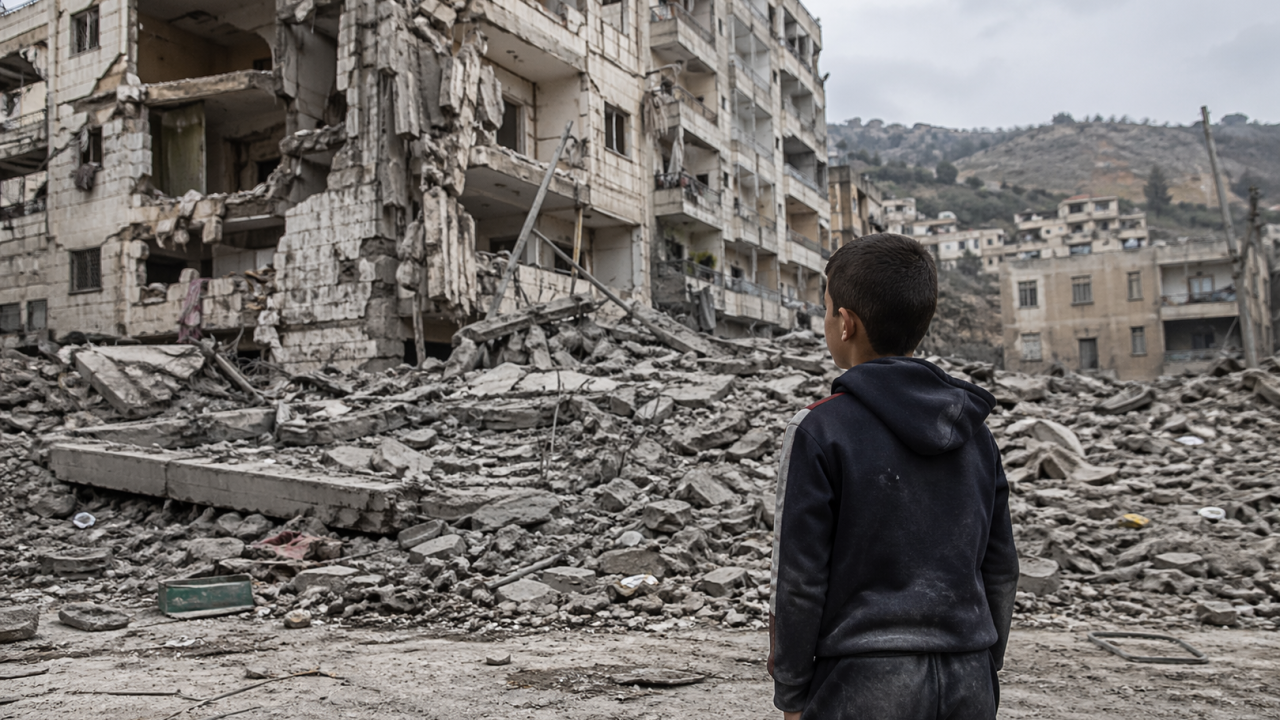
There is a difference between reading about war and remembering it. For most people, Lebanon exists as something they encounter through headlines, a place tied to geopolitics, policy debates, and breaking news alerts that appear briefly before being replaced by the next crisis somewhere else in the world. It is something observed from a distance, processed intellectually, and then set aside.
For me, it is something entirely different. It is memory. It is family. It is a place where conflict is not an abstract concept but a lived reality that never fully leaves you, even when you are far away from it.
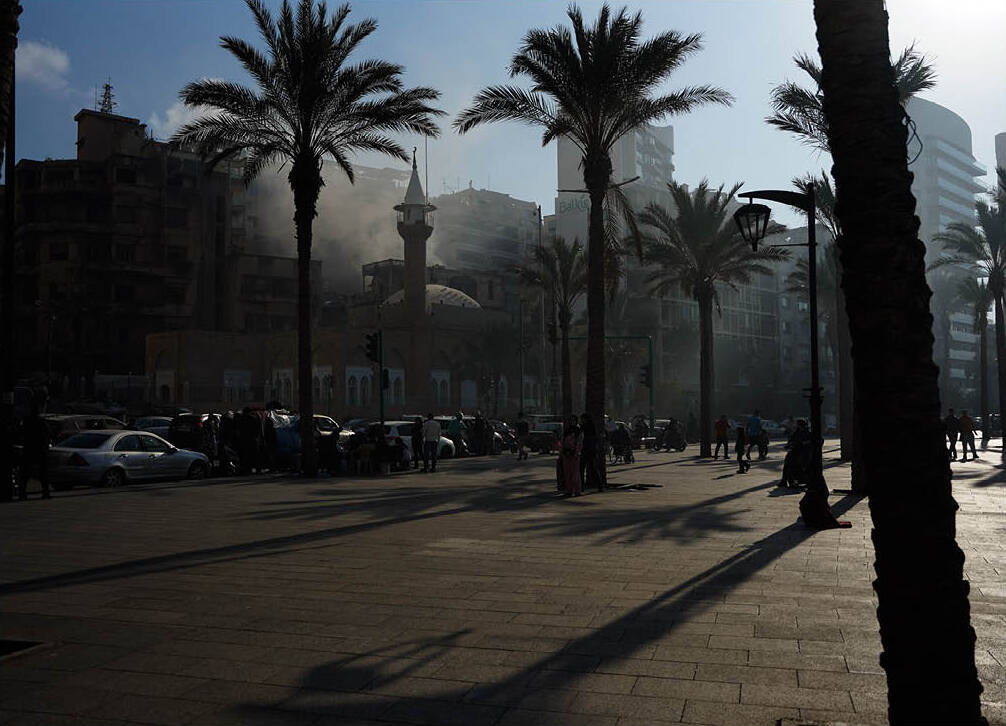
I remember being a child and seeing artillery and air strikes hit the hills in my family’s village during the civil war in the 1980s. I remember the delay between the impact and the realization. The way the hills would absorb the blast, the way the sound would roll across distance, and the way everything would momentarily pause as your mind tried to catch up to what had just happened. That moment, that space between sound and understanding, is something that stays with you.
War introduces itself that way. Not all at once, not in a way that allows you to fully grasp it immediately. It builds slowly, layering itself into your awareness until it becomes part of how you interpret everything around you. I remember seeing the aftermath of violence before I fully understood the cause. I remember the tension in adults, the unspoken communication, the way people adjusted their behavior without needing to explain why. You learn early that safety is not guaranteed. You learn that normal can change without warning. Those lessons do not disappear. They evolve. They follow you. And they shape how you see events like what is happening in Lebanon today.
Megaphone (Source)
Because when I look at Lebanon right now, I am not just seeing current events. I am recognizing patterns. I am seeing the early stages of consequences that will not fully reveal themselves for years. And that is what makes this difficult to ignore.
Over the past several weeks, the pace and scale of destruction in Lebanon have accelerated in a way that is difficult to fully comprehend unless you take the time to break it down.
Lebanon’s National Council for Scientific Research has reported that approximately 40,000 housing units have been destroyed or heavily damaged within a 35-day period. That number alone is significant, but it becomes even more revealing when you look at what it means on a daily level. It averages to more than 1,000 homes affected every single day. That is not incidental damage. That is not a series of isolated incidents. That is sustained, continuous degradation of residential infrastructure at a pace that does not allow for recovery, adaptation, or stabilization.
When you talk about housing destruction at that level, you are not just talking about buildings. You are talking about displacement. You are talking about families who no longer have a place to return to. You are talking about communities that are no longer intact. Homes are not just structures. They are anchors. They provide continuity, identity, and stability. When they are removed at scale, what replaces them is uncertainty, and uncertainty, when sustained over time, becomes its own form of stress.
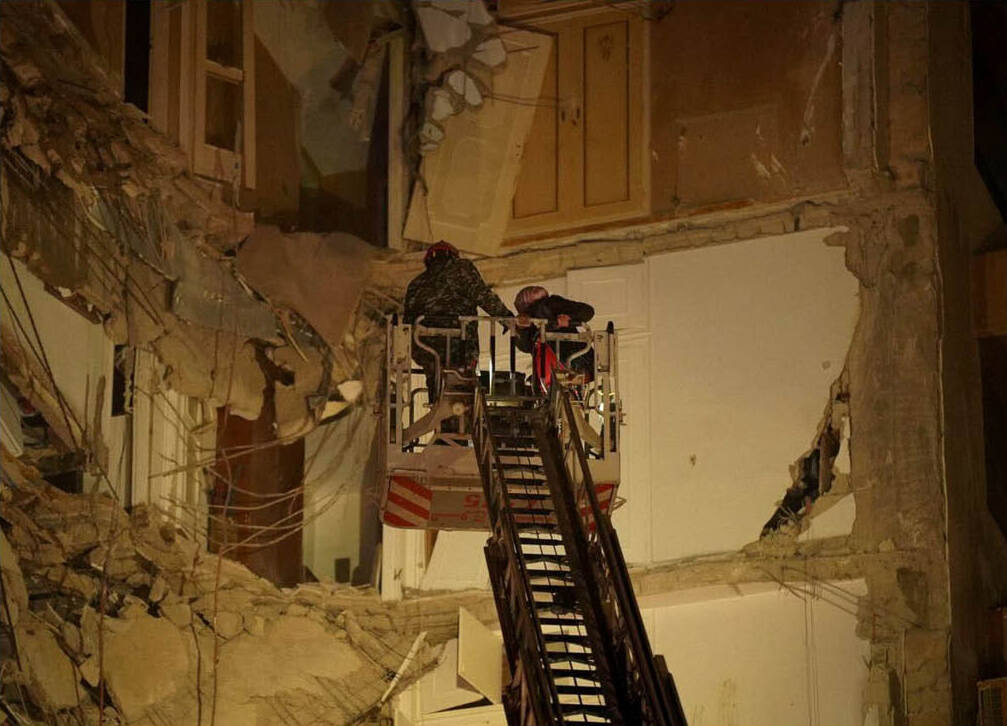
The destruction has not been limited to residential areas. Infrastructure has been systematically degraded. Major bridges over the Litani River have been destroyed, along with the last primary bridge connecting southern Lebanon to the rest of the country. That matters more than people initially realize because infrastructure is not just about convenience. It is about access. It determines how quickly emergency services can respond. It determines whether civilians can evacuate. It determines whether aid can reach affected populations. When you remove infrastructure at that level, you do not just create inconvenience. You create isolation. And isolation changes everything. It slows down medical response times. It limits movement. It increases vulnerability. It turns already dangerous environments into situations where options become limited very quickly. In urban and semi-urban conflict environments, mobility is survival. When mobility is restricted, the margin for error disappears.
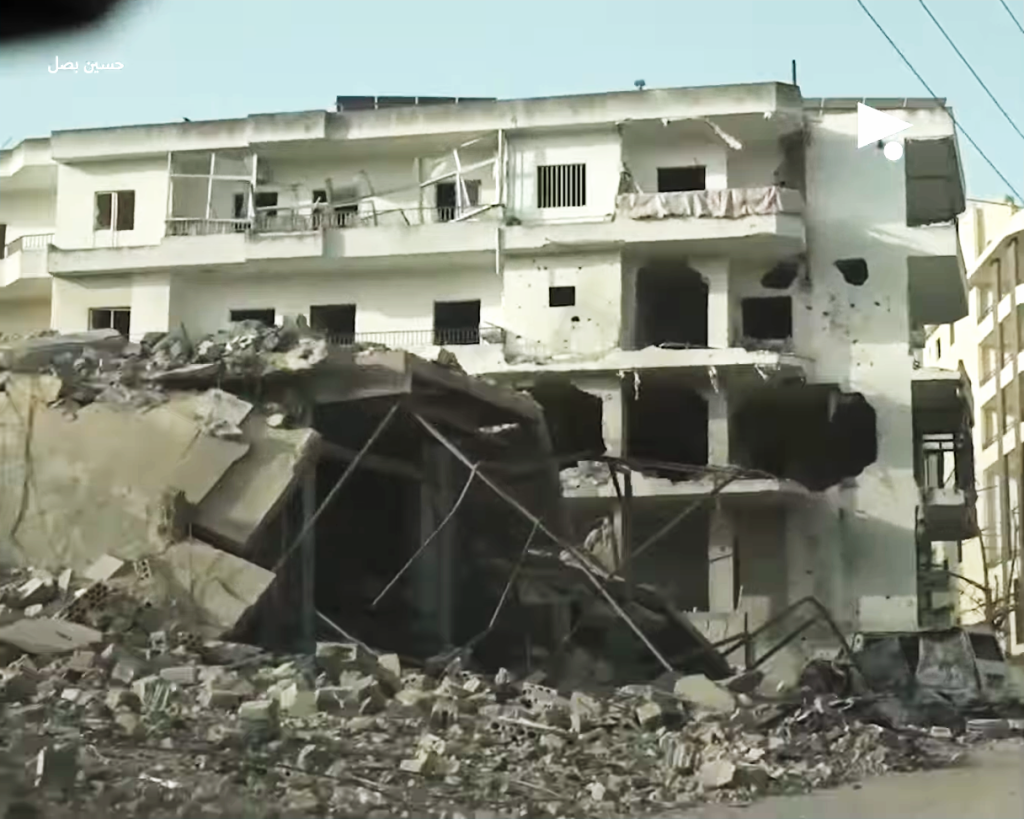
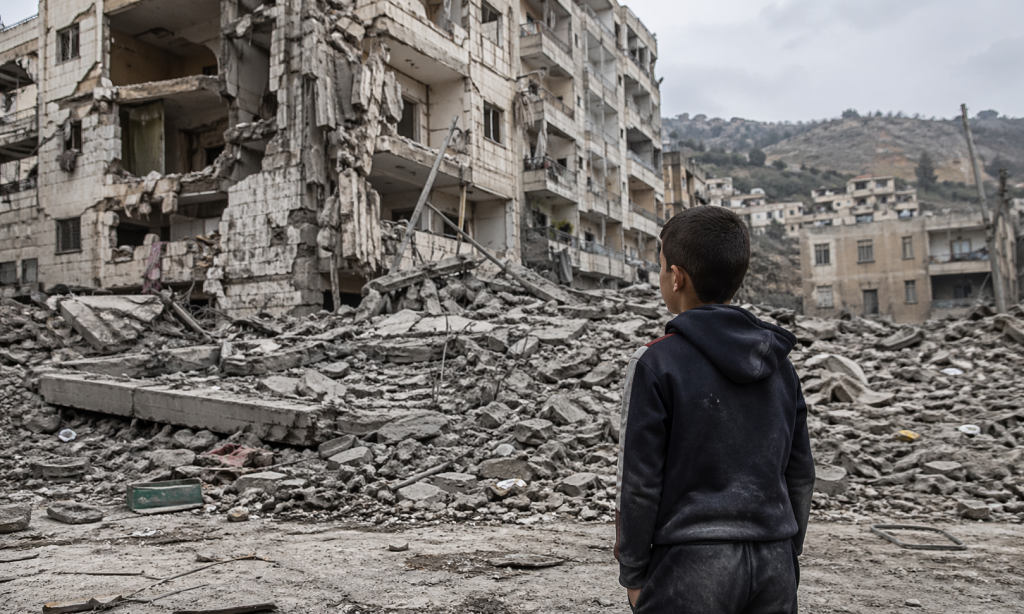
Entire towns and villages in southern Lebanon have been reduced to rubble. That phrase is often used, but it is important to understand what it actually means. It means structures are no longer identifiable. It means roads are no longer usable. It means landmarks that once defined a community no longer exist. It means that even if the fighting stopped tomorrow, there would be nothing to return to. Rebuilding is not immediate. It takes years, sometimes decades, and in many cases, it never fully restores what was lost. What gets rebuilt is not the same as what existed before, and the people who return are not the same either.
Megaphone (Source)
The human toll reflects that level of destruction. Recent reporting indicates that more than 2,000 people have been killed in Lebanon since early March 2026, and approximately 1.2 million people have been displaced during this current escalation. That number alone should stop anyone from scrolling past it. Displacement at that scale does not just mean relocation. It means instability. It means uncertainty. It means families moving without knowing where they will end up or what they will return to.
Within those numbers are children, and that matters. Earlier UN and UNICEF reporting documented that more than 400,000 children had already been displaced during the broader conflict. Children do not experience conflict through political or strategic frameworks. They experience it through disruption, fear, and instability, and those experiences shape how they understand the world. They shape how they respond to stress. They shape how they trust. Those effects do not disappear when the conflict ends. They carry forward.
There has also been a measurable impact on individuals and entities that are specifically protected under international humanitarian law. Lebanon’s Ministry of Public Health has reported that more than 120 incidents have affected ambulances and medical facilities since early March, with at least 91 healthcare workers killed and more than 200 wounded. These are not abstract figures. These are people who were actively engaged in saving lives. Journalists have been killed while covering events on the ground, and UN peacekeepers have not been exempt either. In late March 2026, three were killed in southern Lebanon. These categories, medical personnel, journalists, and peacekeepers, are explicitly protected under international humanitarian law because of the role they play in limiting the damage of war. When they are impacted, it reflects a level of escalation that extends beyond traditional military engagement.
International humanitarian law is not designed to prevent war. It is designed to regulate it. That distinction matters, because it shapes expectations. War, by its nature, is chaotic, violent, and often unpredictable. International humanitarian law exists to impose structure on that chaos, to create boundaries around what is and is not acceptable, even in the middle of conflict. It establishes protections for civilians, medical personnel, and critical infrastructure. It requires distinction between combatants and non-combatants, meaning force must be directed at legitimate military targets and not indiscriminately applied. It also requires proportionality, meaning the anticipated military advantage of an action must be weighed against the potential harm to civilians and civilian objects.
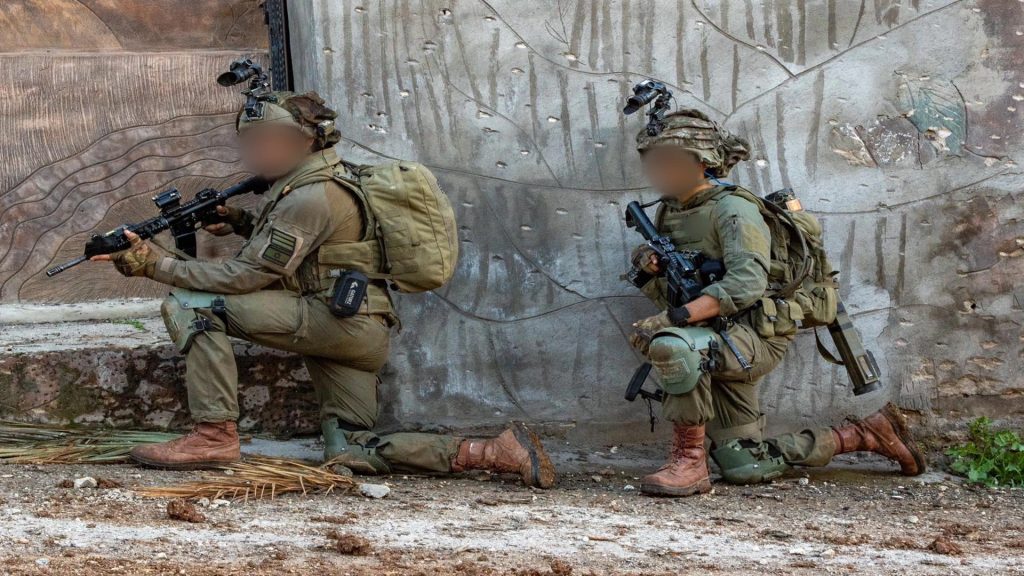
These are not abstract concepts. They are built into how modern militaries are trained to operate. They are reinforced through rules of engagement, legal briefings, and leadership at every level. The International Committee of the Red Cross has consistently reiterated that hospitals, ambulances, and medical personnel must be protected. These are not optional considerations. They are foundational to the legal framework that governs armed conflict. UN experts have raised concerns about the nature of recent strikes and whether they align with those standards, and those concerns matter because they define how actions are evaluated beyond the immediate tactical outcome. They shape how history will interpret what is happening.
But there is another reality that is often overlooked. Legal frameworks exist, but their enforcement is not always immediate, and their impact is often delayed. They do not stop rounds from being fired in the moment. They do not reverse damage once it has occurred. What they do is establish accountability, sometimes long after the fact, and shape how decisions are supposed to be made before actions are taken.
I saw that firsthand in Iraq. We were operating out of a forward operating base when a major sandstorm hit. It came in hard and fast, the kind that shuts everything down. Visibility dropped, structures took damage, and by the time it passed, parts of the FOB were no longer functional. Our water system was hit. The shower tent was gone. Everything was disrupted. We still had bottled water, but normal operations were degraded.
Not long after, water trucks arrived on base. Naturally, everyone assumed they were there to support us. We had just taken a hit to our basic sustainment, and water is one of the first things you look to stabilize. But instead of coming to us, the trucks went directly to the detention facility on base. They offloaded water there first.
At the time, it did not make sense to me. We were the ones operating in that environment. We were the ones dealing with the immediate disruption. From a purely instinctive standpoint, it felt backwards. But it was explained to me.
Under the Geneva Conventions, detainees are protected persons. They must be provided with adequate food, water, and humane conditions regardless of the operational situation. Their status does not change because conditions become difficult. Their protections do not get suspended because it becomes inconvenient. In that moment, even though we were dealing with degraded conditions ourselves, the priority was to ensure that detainees, people we had captured, were taken care of first.
Megaphone (Source)
That stuck with me. Because it highlighted something important about how these laws are meant to function. They are not designed for convenience. They are designed for restraint. They are designed to force discipline in environments where discipline is hardest to maintain.
It would have been easy to justify prioritizing ourselves. It would have been easy to say that operational forces come first. But the framework did not allow for that kind of flexibility when it came to protected persons. The standard did not change because the environment became more difficult.
That is what international humanitarian law is supposed to do. It is supposed to create lines that do not move based on emotion, pressure, or circumstance.
At the same time, it also made something else clear. Even when those laws are followed, even when they are built into training and enforced at the unit level, war is still destructive. It is still unpredictable. It still creates situations where decisions are made under pressure, where outcomes are not always clean, and where second- and third-order effects are unavoidable.
That is the tension. There is the law as it is written. There is the law as it is taught. And then there is the reality of how it is applied in dynamic, high-stress environments. Those three things do not always align perfectly.
But the presence of the law still matters. Because it sets the expectation. It defines the standard. And it creates a framework for accountability, even if that accountability does not come immediately.
What I learned in that moment on the FOB was not just about detainee treatment. It was about discipline under pressure. It was about the idea that how you operate when things are difficult is what actually defines your standards.
And that is what makes conversations about international humanitarian law important in situations like what is happening in Lebanon today. Not because the law stops the conflict, but because it defines how that conflict is judged, understood, and remembered long after it ends.
My understanding of what is happening in Lebanon is not just shaped by memory. It is shaped by experience. When I was in the U.S. Army, operating in Iraq, we conducted operations in urban environments that shared many of the same characteristics: dense populations, complex terrain, limited visibility, and high levels of uncertainty.
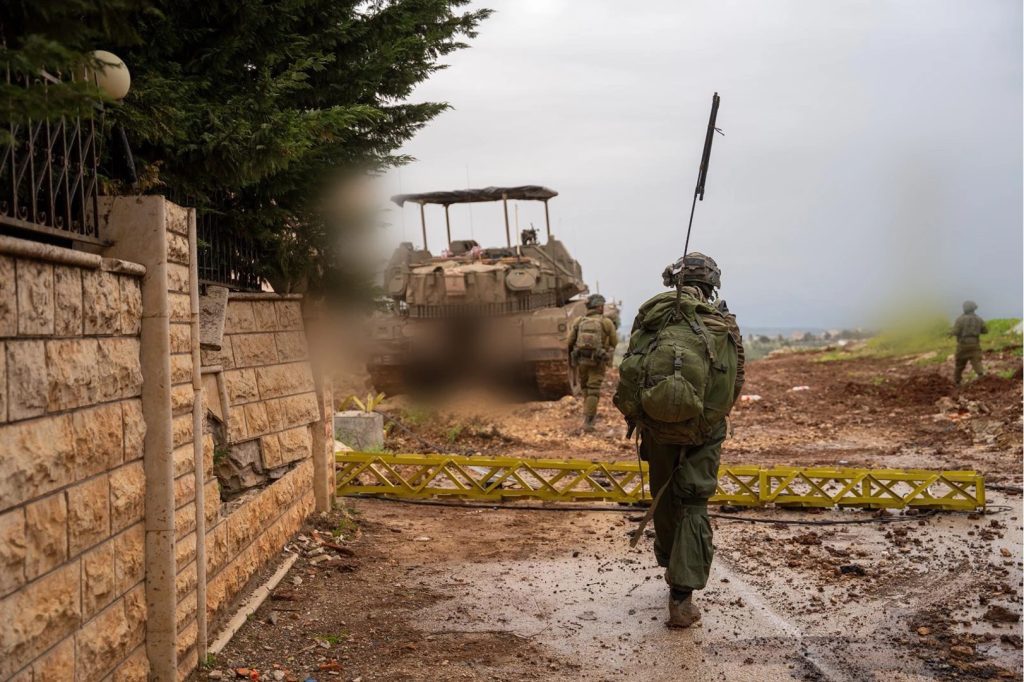
Urban warfare is one of the most complex environments to operate in. Every building is a potential threat. Every street is a potential chokepoint. Every civilian presence introduces variables that cannot be ignored. There is no clean engagement. There is no perfect information. There are only decisions made under pressure, with incomplete data, and with consequences that extend beyond the moment.
But there is also structure. There are rules. There is training. You are trained to positively identify threats before engaging. You are trained to distinguish between combatants and non-combatants. You are trained to understand that civilians are not part of the battlefield. They are part of the environment you must navigate carefully. You are trained to understand proportionality, meaning that the use of force must be aligned with the objective, and that unnecessary destruction creates second- and third-order effects that can undermine the mission itself.
In urban warfare, destruction is not contained. It spreads. It affects infrastructure, populations, and long-term stability. You are taught that even when force is justified, it is never without consequence. That is something that becomes clear very quickly in those environments because the effects are visible. You see the aftermath. You see the disruption. You see how quickly stability can be removed, and you understand that once it is gone, it is not easily restored.
One of the things that stays with you from combat is not just the actions you take, but the weight of those actions. Even when decisions are made within the rules of engagement, even when they are justified, they are never neutral. There is always an impact. There is always a consequence, and those consequences extend beyond the immediate objective.
War does not end when the last strike lands. It continues. It shows up in how people live afterward, in how they respond to stress, in how they interpret their environment, and in how they trust, or do not trust, the systems around them. I have seen that in myself, and I have seen it in others who have lived through it. It does not go away. It adapts. It integrates into who you become. That is the part that is not captured in statistics, the part that is not reflected in reports, but it is the part that defines the long-term impact of conflict.
When people look at Lebanon today, they see numbers. Destroyed homes. Displaced populations. Casualty figures. But those numbers are only the surface. Underneath them is something deeper: a generation that will be shaped by instability, communities that will take years to rebuild, and individuals who will carry the psychological impact long after the physical damage is repaired. There is a difference between seeing war and understanding it. Seeing war is watching footage, reading numbers, and forming opinions from a distance. Understanding war comes from proximity, from memory, from experience, and from knowing what those numbers actually represent once they are no longer numbers.
What is happening in Lebanon right now is not just another conflict to observe and move past. It is a large-scale humanitarian situation with measurable and documented impacts. Homes are being destroyed at a sustained rate. Infrastructure has been degraded in ways that isolate populations. Thousands have been killed. Over a million people have been displaced. Medical personnel, journalists, and peacekeepers have been killed. These are not isolated claims. They are supported by reporting, by international organizations, and by data coming out of the region. When you look at all of it together, it paints a clear picture. This is not contained. This is not minimal. This is not insignificant.
Lebanon is not just experiencing destruction in the present. It is absorbing long-term consequences in real time. What is happening now will shape what comes next, not just in terms of infrastructure or population movement, but in how people think, how they live, and how they experience the world around them. That is the part that is easy to overlook, but it is also the part that matters most. Because long after the headlines move on, that is what remains.
_____________________________
Ayman Kafel is a patrol sergeant, combat veteran, and founder of Project Sapient, with more than 20 years of operational experience. He served in Iraq as a U.S. Army soldier and translator and has worked in law enforcement roles including SWAT, DEA task force work, and plainclothes interdiction; he also holds a master’s degree in counterterrorism. For The Havok Journal, he writes from that background on law enforcement, service, training, stress, resilience, and national security, often focusing on the physical and psychological demands of high-stress work. Follow Project Sapient on Instagram, YouTube, and all podcast platforms for engaging content. He can be reached at ayman@projectsapient.com.
As the Voice of the Veteran Community, The Havok Journal seeks to publish a variety of perspectives on a number of sensitive subjects. Unless specifically noted otherwise, nothing we publish is an official point of view of The Havok Journal or any part of the U.S. government.
Buy Me A Coffee
The Havok Journal seeks to serve as a voice of the Veteran and First Responder communities through a focus on current affairs and articles of interest to the public in general, and the veteran community in particular. We strive to offer timely, current, and informative content, with the occasional piece focused on entertainment. We are continually expanding and striving to improve the readers’ experience.
© 2026 The Havok Journal
The Havok Journal welcomes re-posting of our original content as long as it is done in compliance with our Terms of Use.



.jpg)
.jpg)
.jpg)

.jpg)